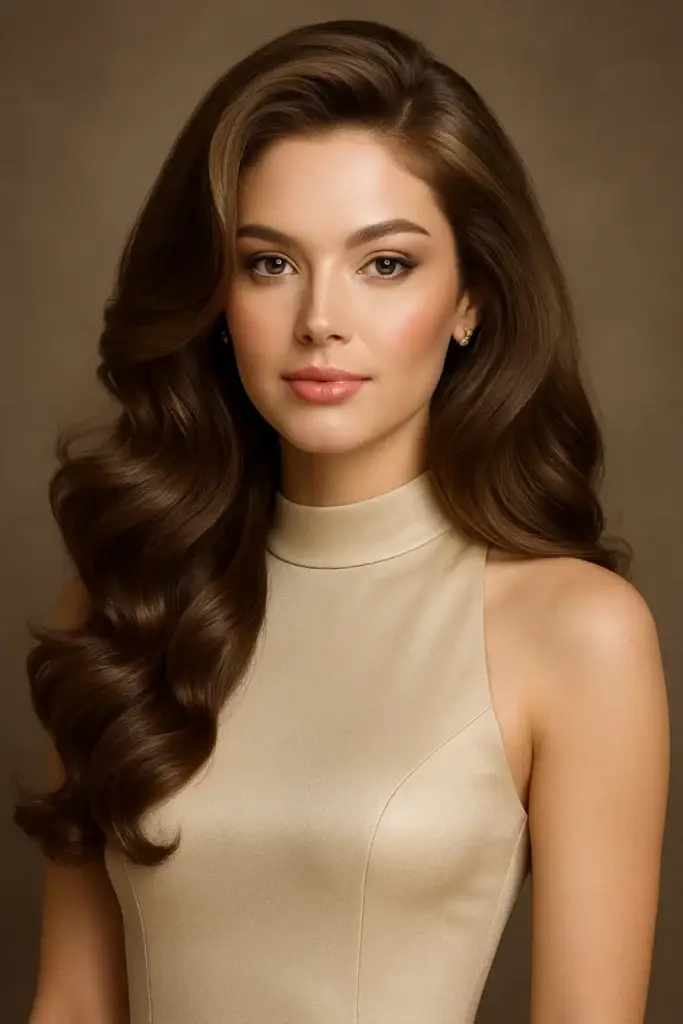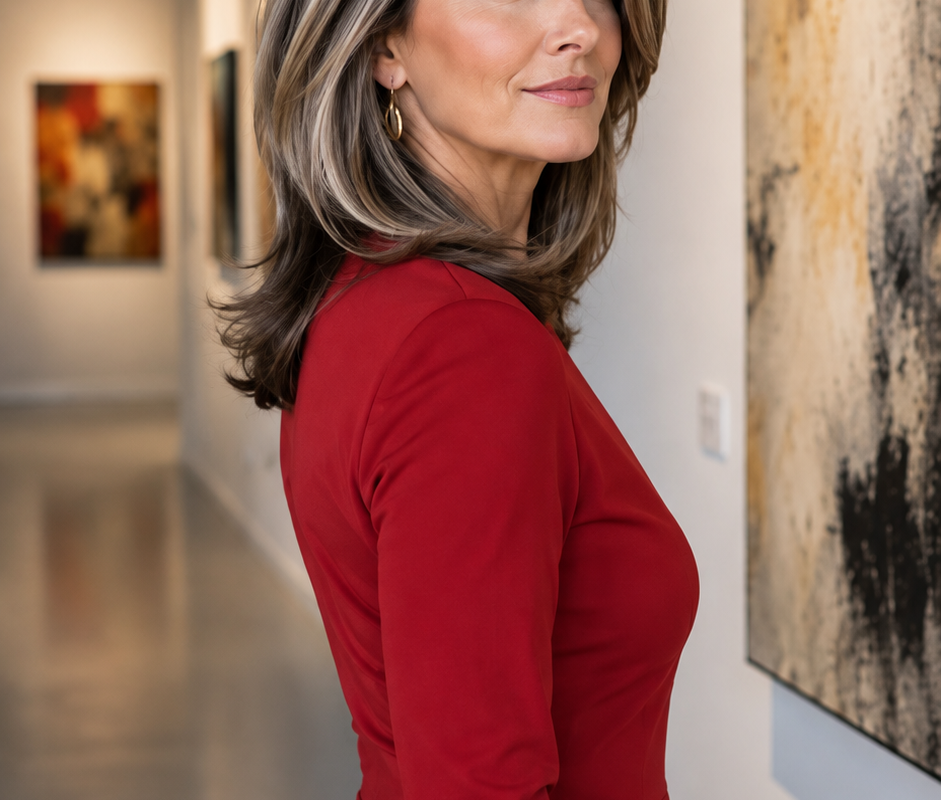
Shag haircuts have made a major comeback, and they work exceptionally well for older women with fine or thinning hair. Unlike blunt cuts that emphasize thinness, shag haircuts add movement and texture through strategic layering, creating the illusion of fuller volume. The key is choosing the right length, layer placement, and styling technique for your hair type and face shape.
Fine hair lacks density and can appear limp without proper cutting. A well-executed shag creates dimension through layering—each layer catches light differently, making hair appear thicker. This style also requires minimal daily styling compared to other trendy cuts, making it practical for busy women over fifty.
The beauty of shag haircuts lies in their versatility. Wear them sleek for professional settings or tousled for casual days. Many women find this style boosts confidence because it frames the face beautifully while minimizing concerns like fine lines or a broader jawline. Whether you’re considering your first shag or returning to a style you loved decades ago, this guide will help you understand what makes these cuts work for mature women with delicate hair.
1. Understanding Shag Haircuts and Why They Work for Fine Hair
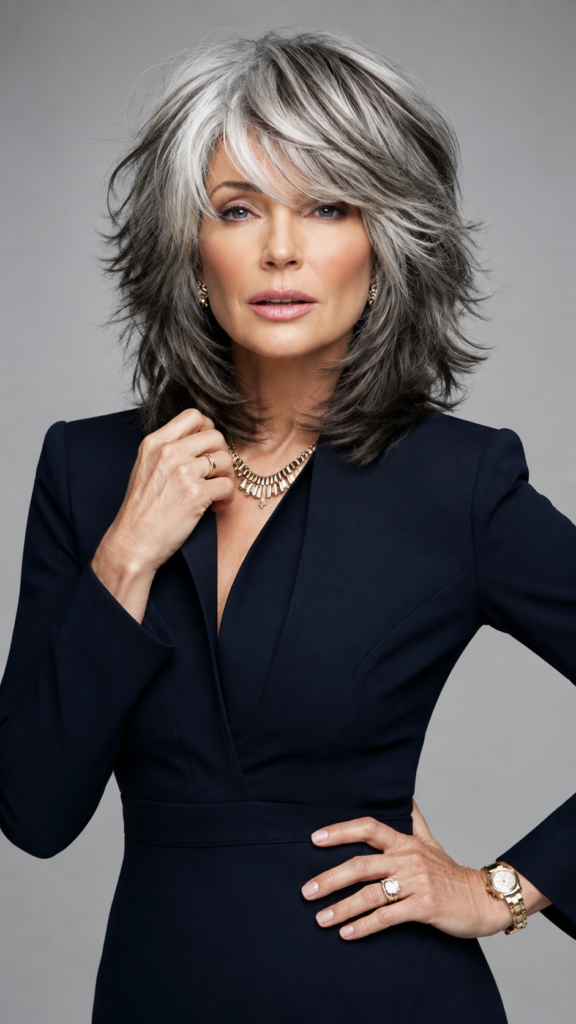
Shag haircuts are characterized by choppy, layered sections throughout the hair. The modern shag is more refined than its 1970s predecessor, making it wearable for everyday professional life. The fundamental principle remains: multiple layers create movement and reduce the appearance of thinness.
Fine hair benefits from shag cuts because layers prevent bulk from accumulating at the ends. A blunt one-length cut on thin hair looks stringy and emphasizes scalp visibility. Layers distribute hair evenly across your head, creating optical density. The choppy texture also helps fine hair hold styles better—without layers, fine hair falls flat within hours.
Shag haircuts accommodate the hair changes that come with aging. Your texture may shift over time, bringing increased dryness, reduced elasticity, or pattern changes. A shag cut works with your natural texture rather than fighting it.
2. Best Shag Haircut Lengths for Fine Hair Over Fifty
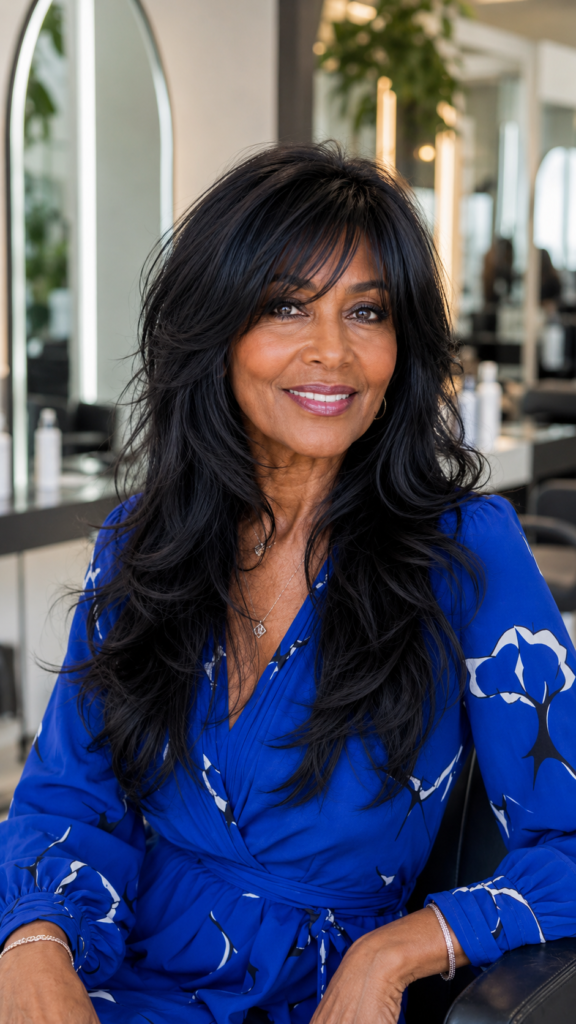
Choosing the right length is crucial for fine hair. Length affects how your hair sits, styling requirements, and overall flattery. For women with fine hair, shorter lengths generally work better because they reduce weight and prevent stringiness.
The Pixie Shag ranges from one to three inches on top with slightly longer layers throughout. This cut works beautifully for fine hair because there’s simply less hair to manage. Your hair won’t fall flat under its own weight. Pixie shags require trims every four to six weeks but require minimal styling. Many women find this cut liberating—style with your fingers and texture spray, and you’re ready. It also showcases facial features, bone structure, and jewelry.
The Chin-Length Shag sits at your jawline and offers a middle ground. This length provides more styling options than a pixie while remaining manageable for fine hair. You can wear it tousled or blow-dried smooth for a polished look. Chin-length shags work well for oval, heart, or square face shapes. Layers around the face create softness while back length adds dimension. This length requires trims every six to eight weeks.
The Shoulder-Length Shag extends to approximately your shoulders or slightly below. This length works best if your fine hair has natural texture or wave. Straight fine hair at shoulder length can look thin, so you’ll want styling products and techniques to add texture. Shoulder-length shags offer the most versatility in styling options. This length requires trims every eight to ten weeks.
3. Layering Techniques That Add Volume to Fine Hair
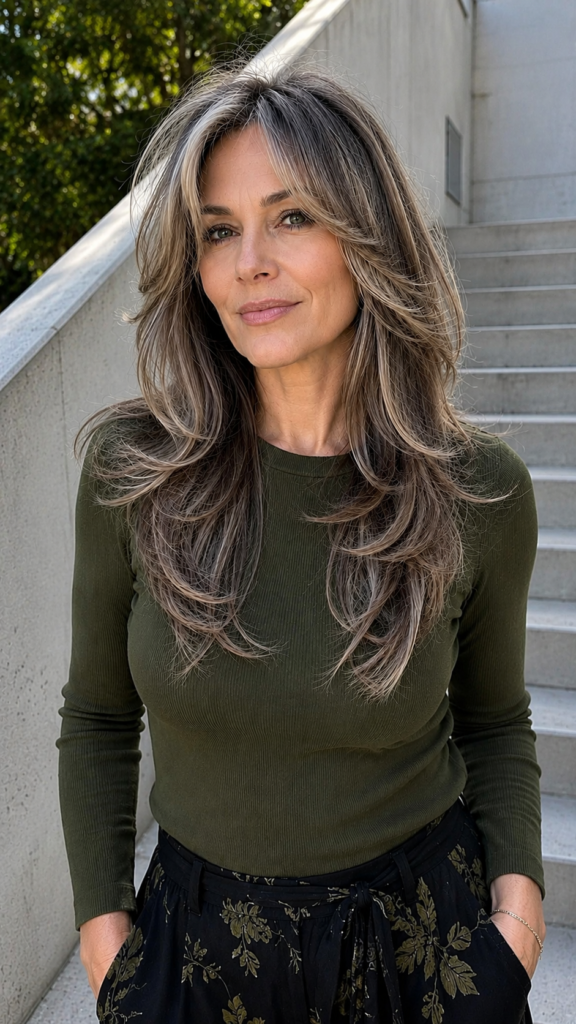
The layering technique used in your shag haircut makes all the difference for fine hair. Not all layers are created equal—some can actually make fine hair look thinner if done incorrectly.
Point Cutting creates texture by holding scissors vertically and cutting into hair ends at angles. This creates choppy, textured ends that catch light and create movement. Point cutting works well for fine hair because it removes weight gradually rather than creating blunt lines. Textured ends help fine hair appear fuller because light reflects off choppy edges.
Razor Cutting uses a razor blade instead of scissors, creating sharp, choppy lines and removing weight efficiently. However, razor cutting can create frizz in fine hair, especially if your hair is dry or damaged. Many stylists prefer point cutting for fine hair because it’s gentler and creates texture without excessive frizz.
Slide Cutting involves cutting hair while sliding scissors along the shaft, creating softer, more blended layers. This works well for fine hair because it creates movement without excessive texture or frizz, resulting in a softer, more polished shag with dimension.
Layer Placement is equally important as cutting technique. For fine hair, layers should start higher on the head rather than only at the ends. Layers starting at the crown or mid-shaft create more lift and movement. Layers affecting only the bottom inch don’t add much volume or texture.
4. Face Shapes and Shag Haircut Styling
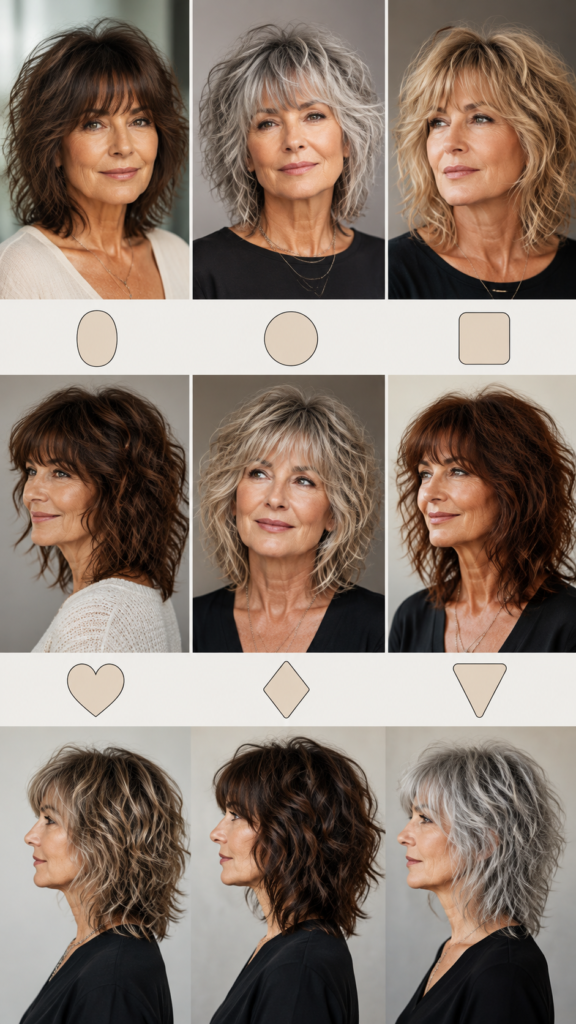
Your face shape should influence how your shag is styled and where layers are placed. Different face shapes benefit from different layer placements and lengths.
Oval Face Shapes are the most versatile. You can wear most shag styles successfully and choose based on hair texture, lifestyle, and preference. Oval faces benefit from layers framing cheekbones and creating movement around the face.
Round Face Shapes benefit from shags creating height at the crown and length below the chin. Layers should elongate the face rather than add width. Avoid choppy layers around cheeks, which emphasize roundness. Keep face layers slightly longer and more blended. Longer back layers extending past shoulders create vertical lines that elongate.
Square Face Shapes have strong jawlines and benefit from shags that soften angles. Face layers should be longer and more blended rather than very choppy, creating softness around the jawline. Longer layers extending past the chin work well. More texture on top draws attention upward rather than to the jawline.
Heart-Shaped Faces are wider at the forehead and narrower at the chin. Shag haircuts work beautifully here because layers add width at the chin and soften the forehead. Create more texture and layers on the lower half. Shorter top layers balance forehead width.
5. Styling Products and Techniques for Fine Hair Shags
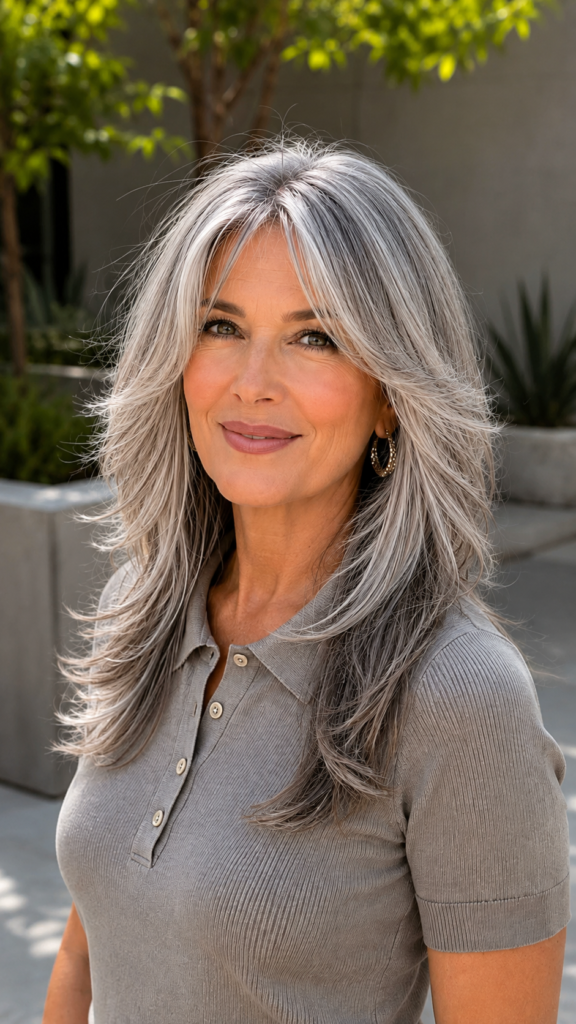
Styling products make a huge difference for fine hair. The right products add texture and hold without weighing hair down. Learning which products work best helps you style your shag successfully daily.
Texture Sprays are essential for fine hair shags. These products add grip and texture, making styling easier and helping hair hold its shape throughout the day. For fine hair, dry texture sprays work better than wet sprays because they don’t add moisture or weight. Apply to roots and mid-lengths, focusing on areas needing lift.
Volumizing Mousses are lighter than gels or creams, making them ideal for thin hair. Apply to damp hair at roots and work through with fingers. Blow dry while scrunching upward to create volume. Mousse helps hair hold shape and adds texture without crunchiness.
Sea Salt Sprays create beachy, textured looks that suit shag haircuts beautifully. These sprays mimic salt water texture and create layer separation. They work well for fine hair because they add texture without heavy hold. Apply to damp or dry hair and scrunch with hands.
Lightweight Styling Creams and Serums help with frizz control without weighing hair down. Look for products labeled for fine or thin hair. Apply sparingly to ends, avoiding roots. Too much product at roots makes hair look flat and greasy.
Blow Drying Technique matters significantly. Always blow dry from roots to ends, never opposite. This smooths the hair cuticle and creates a polished look. Use a concentrator nozzle to direct air and create control. Blow dry about eighty percent of the way, then finish with cool air to seal the cuticle and add shine.
6. Color and Highlights for Fine Hair Shags
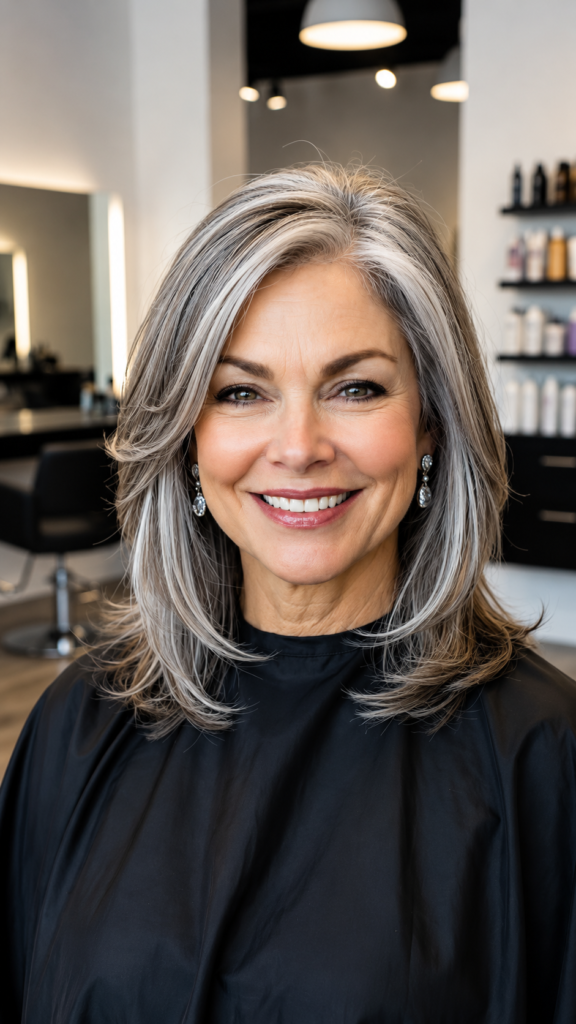
Color and highlights dramatically enhance shag haircuts, especially for fine hair. Strategic color placement creates dimension and makes hair appear fuller. The right color also frames your face beautifully and can take years off your appearance.
Dimensional Color works best for fine hair shags. Rather than a single solid color, dimensional color uses multiple shades to create depth. Lighter shades around the face and darker shades underneath create volume illusion. Shade contrast makes shag layers more visible and interesting.
Highlights are particularly effective for fine hair. Strategically placed highlights catch light and create movement. Face-framing highlights draw attention to eyes and cheekbones. Crown highlights create lift and volume illusion. Mid-length and end highlights add dimension and texture.
Balayage is a highlighting technique that works beautifully on shags. Your colorist hand-paints highlights in a natural, sun-kissed pattern. This creates softer, more blended looks compared to traditional foil highlights. Balayage works especially well for fine hair because softer color transitions don’t emphasize thinness.
Babylights are thin, delicate highlights creating subtle dimensional effects. This technique is perfect for fine hair because thin highlights don’t create harsh lines or emphasize thinness. Instead, they add subtle dimension and make hair appear fuller.
Ash Blonde and Cool Tones work beautifully on mature women with fine hair. Cool tones create contrast and make hair appear shinier and fuller. Warm tones can make fine hair look dull or flat. For fair skin, ash blonde, platinum, or silver tones are flattering. For deeper skin tones, caramel, honey, or rich brown tones with cool undertones work well.
Root Smudging blends roots with highlights, creating softer grow-out. This is practical for fine hair because you don’t need frequent root touch-ups. Root smudging also creates dimension at roots, helping fine hair appear fuller.
7. Maintenance and Styling Tips for Long-Term Success
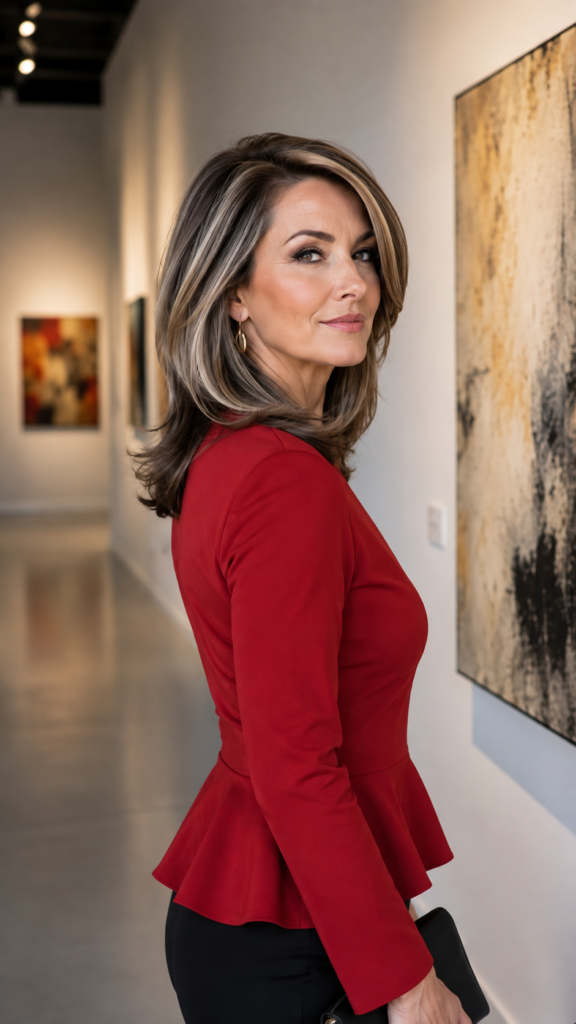
Maintaining a shag haircut requires regular trims and consistent styling. Unlike some haircuts that go months between trims, shags need attention every six to eight weeks to maintain shape and texture. Regular trims keep layers fresh and prevent ends from becoming wispy and thin.
When trimming, communicate with your stylist about what’s working and what isn’t. If certain areas don’t hold style well, ask for layer adjustments. If your hair looks too thin in spots, ask for slightly longer layers there. Your stylist can adjust based on how your hair has grown and how you’ve been styling it.
Between salon visits, invest in a good home care routine. Use gentle shampoo and conditioner formulated for fine or thinning hair. Harsh shampoos strip natural oils, making hair look dull and thin. Wash in cool or lukewarm water, not hot. Hot water opens the hair cuticle, causing breakage and frizz.
Condition thoroughly, focusing on mid-lengths and ends. Fine hair at roots usually doesn’t need conditioning, as natural scalp oils provide enough moisture. Conditioning roots makes fine hair look flat and greasy.
Conclusion
Shag haircuts offer a flattering, practical solution for older women with fine hair. The layered style creates movement and volume illusion without requiring extensive daily styling. By choosing the right length, working with a skilled stylist experienced in fine hair, and using appropriate styling products and techniques, you can achieve a shag that makes you feel confident and beautiful.
The key to success is finding a stylist with fine hair experience who understands how to cut shags that enhance rather than emphasize thinness. Bring photos of styles you like, communicate clearly about hair concerns and lifestyle, and be willing to try new styling techniques and products. With the right cut, color, and care routine, a shag haircut can be a transformative style you’ll love wearing for years.