Living in a warm, sunny climate presents unique challenges for mature hair. Women over 55 often experience changes in hair texture, density, and moisture retention. Heat, humidity, and UV exposure accelerate damage and frizz. The right hairstyle protects your hair, reduces daily styling time, and works with natural hair changes rather than against them.
This guide explores practical, flattering hairstyles designed for warm climates and mature hair. You’ll discover cuts that require minimal heat styling, resist humidity, and suit your face shape. We cover protective styling techniques, product recommendations, and maintenance routines. Whether you prefer short, medium, or longer lengths, there’s a solution combining style with protection.
1. Short Pixie and Crop Cuts for Minimal Maintenance
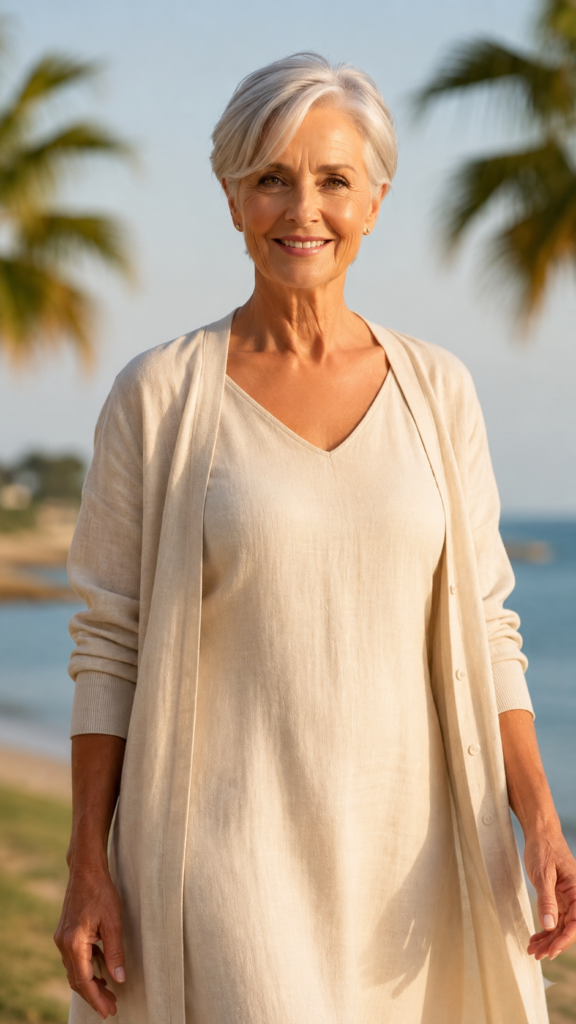
Short pixie and crop cuts rank among the most practical choices for warm climates. These styles eliminate bulk, reduce drying time, and minimize frizz exposure. A well-cut pixie works with natural texture rather than fighting it. Many women find that shorter hair feels cooler against the scalp and neck.
The key to a flattering pixie lies in cut precision and face shape consideration. Rounded faces benefit from longer pixies with side-swept bangs. Angular faces suit blunt, geometric cuts. Ask your stylist for layers that add movement without requiring blow-drying. Textured pixies work especially well for women with naturally wavy or curly hair.
Maintenance involves regular trims every four to six weeks. Use a lightweight styling cream or pomace to define texture. Many women over 55 report that pixie cuts make them look younger by showcasing facial features and bone structure. The cut requires no heat styling, protecting your hair from daily damage.
2. Layered Bobs and Textured Cuts for Versatility
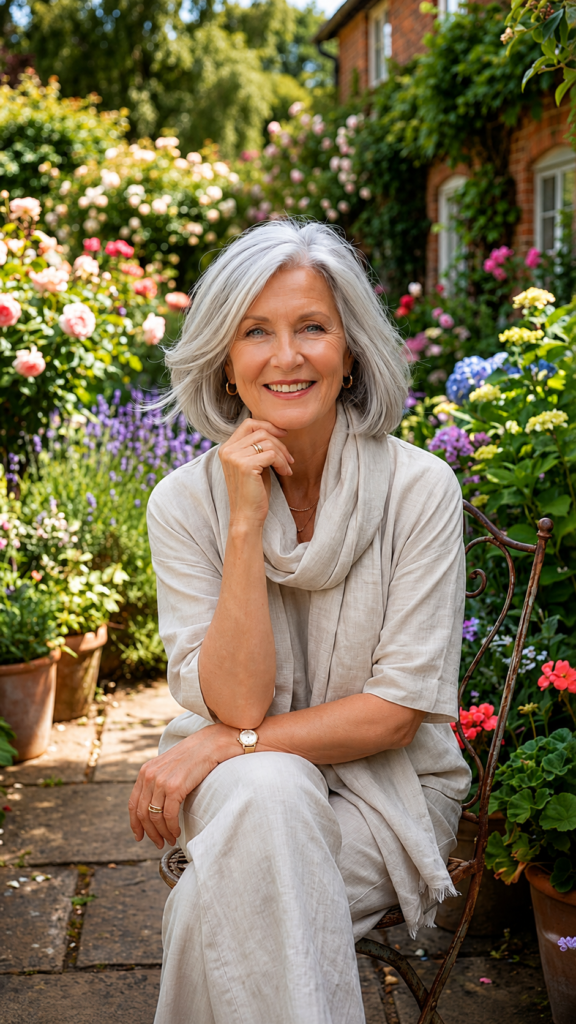
Layered bobs offer the middle ground between short and longer styles. They provide versatility, flattering movement, and manageable length. A well-executed layered bob works in humid conditions because layers allow air circulation and reduce weight that traps moisture.
The textured bob incorporates choppy layers throughout, creating natural movement and reducing blow-drying needs. Your hair dries faster and works with your natural wave pattern. Textured bobs suit most face shapes when cut correctly. Shorter layers around the face create a lifting effect. Longer layers in back add dimension.
Length matters in warm climates. A chin-length bob keeps hair off your neck and shoulders, reducing heat buildup. Avoid styles that rest directly on your shoulders, as this traps heat and moisture. Ask your stylist for layers that encourage your natural texture.
Styling takes minutes. Apply a lightweight mousse or sea salt spray to damp hair. Scrunch gently and let air dry, or use a diffuser on low heat. Many women skip blow-drying entirely on humid days, saving time and protecting hair from heat damage.
Maintenance involves trims every six to eight weeks to keep layers sharp. Regular conditioning treatments help textured hair stay hydrated. Use products designed for your hair type. Fine hair needs lightweight formulas. Thick or curly hair benefits from richer moisturizers.
3. Sleek Low Ponytails and Buns for Heat Relief
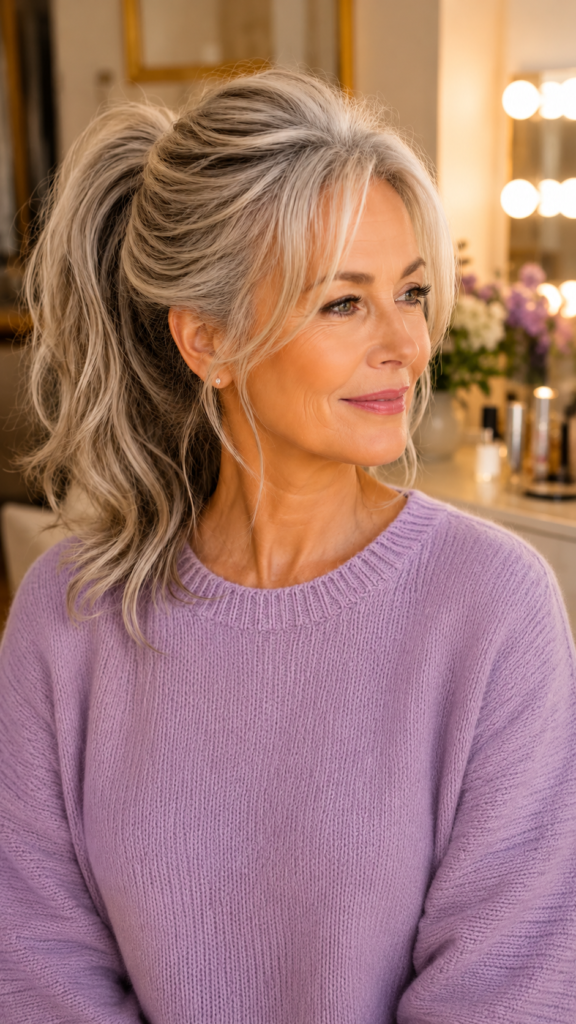
Low ponytails and buns offer immediate heat relief by lifting hair off your neck and shoulders. These styles work in any climate but shine in warm regions. A sleek low ponytail keeps hair contained without bulk. The low placement flatters mature faces by avoiding tension that emphasizes fine lines.
Creating a sleek low ponytail requires minimal products. Brush hair smoothly and gather it at the nape of your neck. Use a soft elastic or silk hair tie to prevent breakage. Smooth flyaways with a lightweight serum or edge control cream.
Low buns offer similar benefits with a more formal appearance. Gather hair into a low ponytail, then twist and wrap it around the base. Secure with bobby pins and light hairspray. This style keeps hair completely off your face and neck, suiting office settings and social events.
These styles protect your hair by reducing friction and breakage. Hair stays contained and experiences less wind damage. The low placement means less direct sun exposure on the hair shaft, reducing UV damage and color fading.
Maintenance is straightforward. Brush gently before styling to avoid breakage. Use silk or satin hair ties instead of elastic bands. Sleep on a silk pillowcase to reduce nighttime breakage. Refresh your ponytail or bun daily by brushing and retying.
4. Loose Waves and Curls Using Heat-Free Methods

Loose waves and curls add movement and dimension without requiring heat styling. Heat-free methods protect your hair while creating beautiful texture. In warm climates, these styles work with humidity rather than fighting it.
Braiding is the simplest heat-free method. Braid damp hair before bed, then release in the morning for soft waves. French braids create different wave patterns than simple three-strand braids. This method costs nothing and requires no products.
Twist-outs offer another heat-free option. Divide damp hair into sections and twist each section tightly. Secure with bobby pins or clips. Sleep on the twists, then release in the morning. The result is textured waves with more definition than braids.
Roller sets create soft waves without heat. Use large foam rollers or velcro rollers on damp hair. Let your hair air dry completely, then remove the rollers. The larger the roller, the looser the wave.
Plopping enhances natural waves. After washing, wrap damp hair in a microfiber towel or cotton t-shirt for 20 to 30 minutes. This removes excess water without friction. Then apply styling products and let air dry.
Products matter for heat-free styling. Use a lightweight leave-in conditioner on damp hair. Add a curl-defining cream or gel if you want more hold. Sea salt sprays enhance texture and add grip. Avoid heavy products that weigh down waves.
5. Protective Styles with Scarves and Wraps
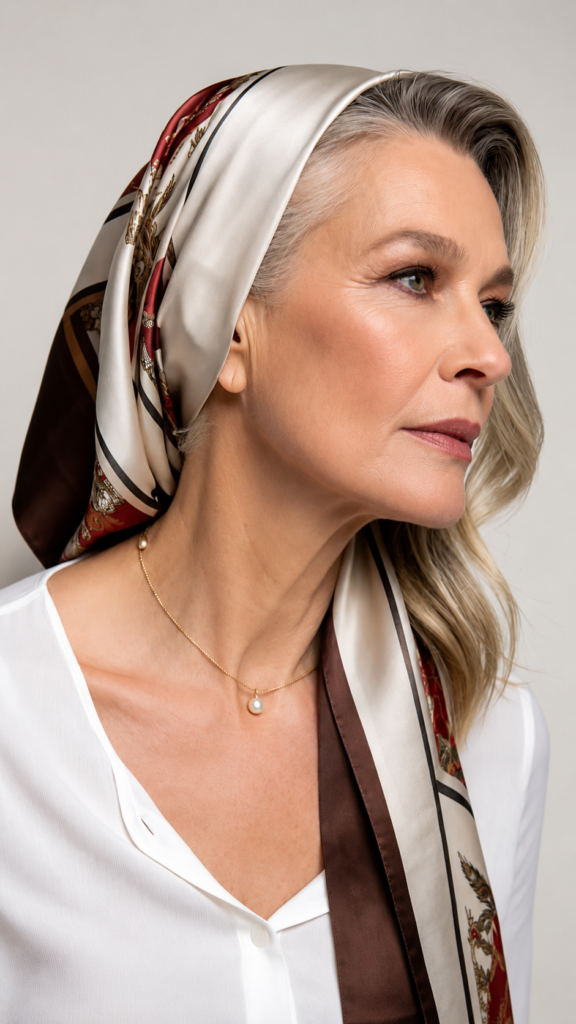
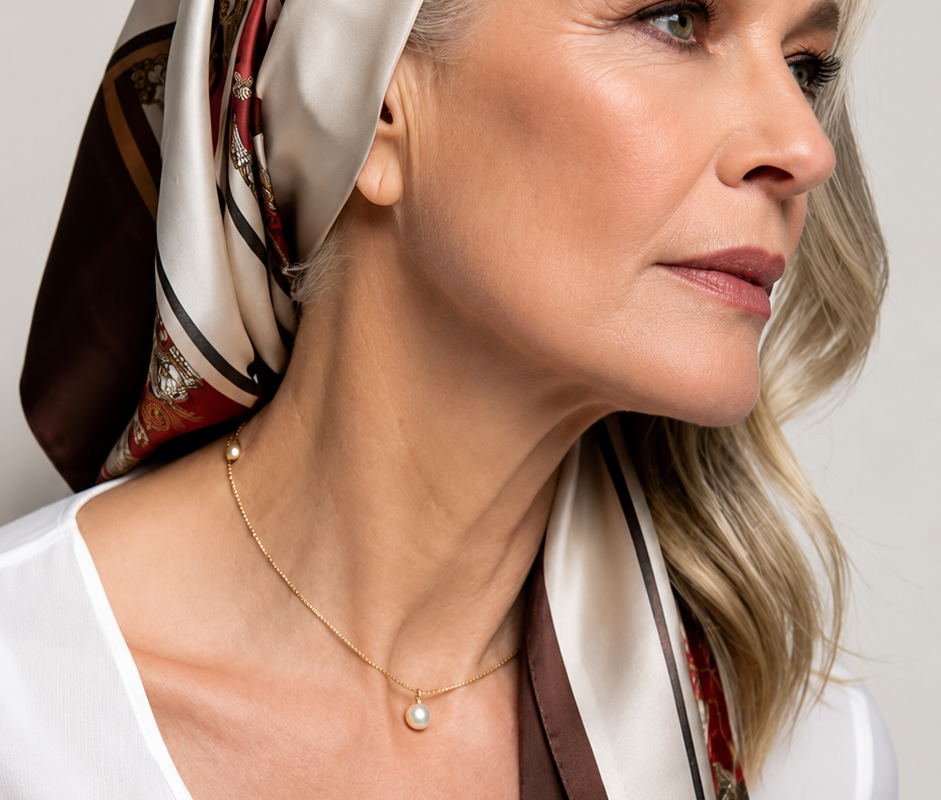
Scarves and wraps serve both protective and aesthetic purposes. They shield your hair from sun damage, wind, and humidity while adding style. Silk scarves prevent friction and moisture loss. Cotton wraps offer breathability in heat.
Silk scarves protect hair during the day and night. Wrap your hair before bed to reduce friction against pillowcases. During the day, wear scarves as headwraps, turbans, or hair accessories. Silk doesn’t absorb moisture like cotton, so your hair stays hydrated.
Headwraps and turbans offer full coverage and style. Wrap a silk or cotton scarf around your head to create a turban. This keeps hair completely protected from sun and wind. Many women find that headwraps feel cooler than wearing hair down in heat.
Bandanas and hair scarves add color and pattern to simple styles. Tie a scarf around a low ponytail for a vintage look. Wrap a scarf around your head as a headband. Use scarves to add interest to buns or braids.
UV protection matters in sunny climates. Look for scarves made from UPF-protective fabrics. These materials block harmful UV rays. Even regular silk or cotton provides some protection by creating a barrier between your hair and sun.
Maintenance is simple. Wash scarves regularly with gentle detergent. Silk scarves require hand washing or delicate machine cycles. Air dry to preserve fabric quality. Having multiple scarves lets you change your look frequently without styling your hair.
6. Embracing Natural Gray and Silver Hair
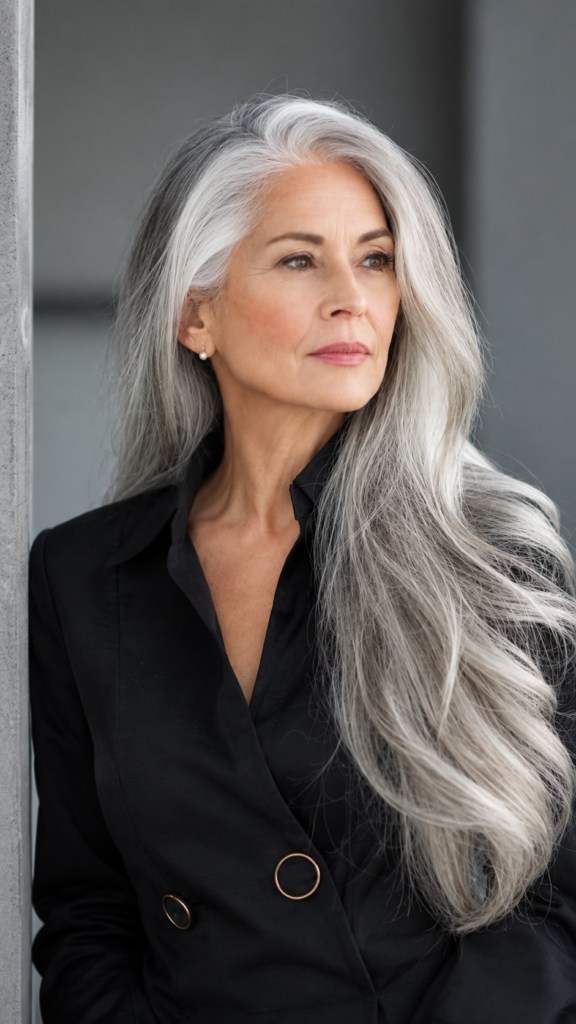
Gray and silver hair is a natural part of aging. Many women over 55 choose to embrace their gray rather than color it. Natural gray hair has unique styling advantages in warm climates. It reflects light beautifully and requires less maintenance than colored hair.
Gray hair often has a different texture than your original color. It may be coarser, finer, or curlier. Understanding your gray hair texture helps you choose flattering styles. Coarse gray hair suits shorter cuts that show off the texture. Fine gray hair benefits from layers that add movement. Curly gray hair looks stunning in textured cuts that embrace the curl.
Styling gray hair requires specific products. Gray hair can appear yellowed or brassy in sunlight. Purple or blue-toned shampoos neutralize these tones. Use these shampoos once or twice weekly to maintain a cool silver tone. Regular conditioning keeps gray hair soft and manageable.
Short styles showcase gray hair beautifully. Pixie cuts, textured bobs, and layered crops all suit gray hair. The simplicity of these styles lets your hair color be the focal point. Many women report that going gray makes them look younger because the style is so clean and modern.
Longer styles work with gray hair too. Long layers, loose waves, and low ponytails all suit silver hair. The key is keeping your hair healthy and shiny. Regular deep conditioning treatments keep gray hair from looking dull. Trim regularly to remove dry ends.
Confidence matters most. Gray hair looks best when you own the choice. Many women find that embracing gray hair simplifies their beauty routine and saves money on coloring.
7. Hydration and Protection Strategies for Warm Climates
Hydration is crucial for hair health in warm, sunny climates. Heat and UV exposure dry out hair quickly. Humidity can cause frizz and disrupt your style. A solid hydration routine protects your hair and keeps styles looking fresh longer.
Leave-in conditioners are essential in warm climates. Apply them to damp hair after washing. These products provide ongoing moisture without weighing hair down. Lightweight leave-in conditioners work best for fine hair. Richer formulas suit thick or curly hair. Use leave-in conditioner daily in very hot or dry climates.
Deep conditioning treatments restore moisture to damaged hair. Use a deep conditioner once or twice weekly. Apply to damp hair, focusing on mid-lengths and ends. Leave it on for 10 to 20 minutes. Rinse thoroughly with cool water.
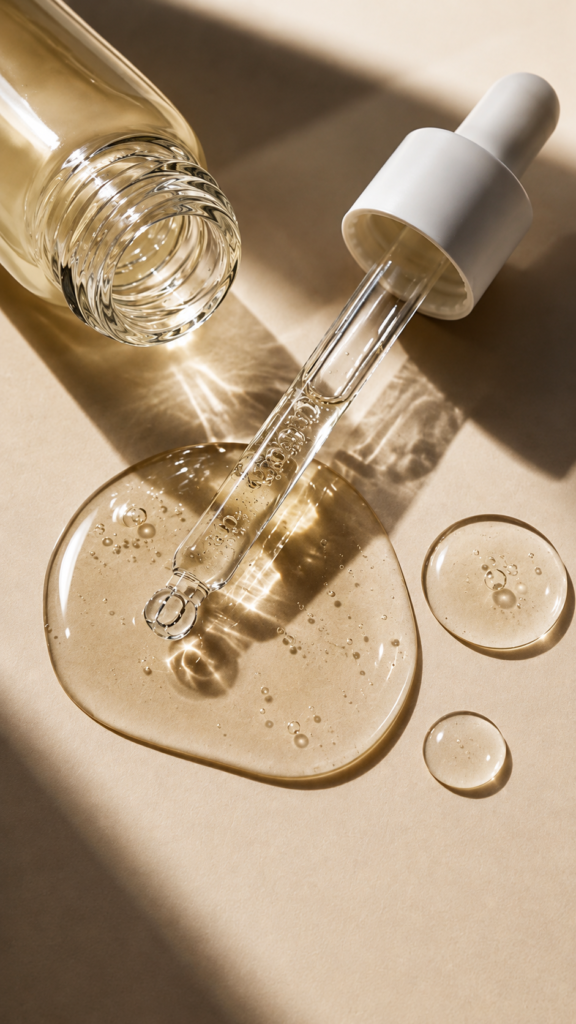
Oils protect hair from moisture loss and UV damage. Coconut oil, argan oil, and jojoba oil all offer benefits. Apply oils to damp hair before styling. Use sparingly to avoid looking greasy. Oils create a protective barrier that reduces frizz and adds shine.
Water is your best friend. Rinse your hair with cool water after swimming or sweating. Chlorine and salt water damage hair, so rinse immediately. Cool water seals the hair cuticle and reduces frizz.
Sun protection products shield hair from UV damage. Look for products with UV filters. Spray-on sun protectants are convenient for touch-ups during the day. Apply before spending time outdoors. These products reduce color fading and prevent dryness.
Avoid excessive heat styling. In warm climates, you can often air dry your hair. If you must use heat, use the lowest setting and apply a heat protectant spray first. Limit heat styling to once or twice weekly.
Conclusion
Heat-friendly hairstyles for women over 55 combine practicality with style. Whether you choose a short pixie, layered bob, low ponytail, or embrace your natural gray, the right style makes life easier in warm climates. These hairstyles reduce daily styling time, protect your hair from damage, and keep you feeling cool and confident.
The key is finding a style that works with your hair texture, face shape, and lifestyle. Work with a stylist experienced in mature clients. They understand how to adapt cuts for aging hair. Invest in quality products designed for your hair type. Use heat-free styling methods and protective techniques.
Remember that your hair changes over time. Be willing to try new styles and adapt as needed. Many women find that their best hairstyles come after 55, when they stop fighting their hair and start working with it. Your warm climate is an opportunity to embrace low-maintenance, protective styles that keep you looking and feeling your best.