
The textured quiff stands as one of the most versatile and modern hairstyles available today. This cut combines volume, movement, and a sharp aesthetic that works across casual and professional settings. Whether you’re starting from scratch or refining an existing style, understanding the fundamentals of the textured quiff will help you achieve the look you want.
The side sweep element adds dimension and visual interest. It draws the eye upward and creates a dynamic silhouette. This hairstyle suits various hair types, from straight to wavy to curly. The key lies in proper technique, the right products, and consistent maintenance. Many people assume this style requires hours of styling time. In reality, once you master the basics, you can recreate it in minutes each morning.
This guide walks you through the essential steps, styling variations, and maintenance tips. You’ll learn how different hair lengths and textures adapt to this cut. We’ll also cover product recommendations and techniques used by professional stylists. By the end, you’ll have the knowledge to either style your own textured quiff or communicate clearly with your barber about what you want.
The Modern Side Swept Textured Quiff
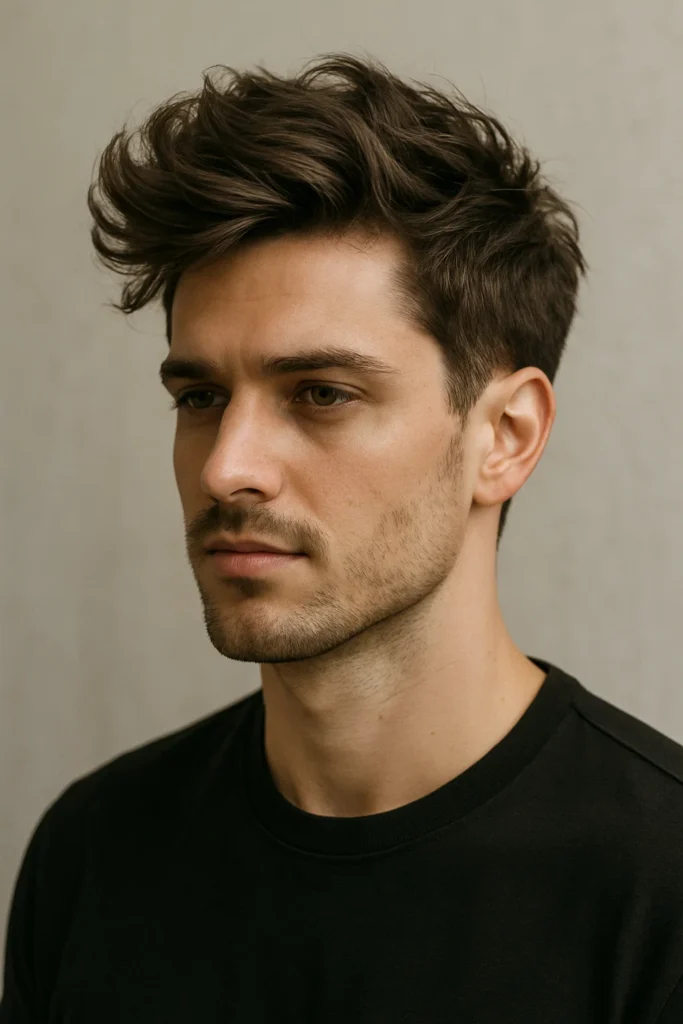
This variation represents the contemporary take on the classic quiff. The modern version emphasizes texture over slickness, movement over rigidity. You’ll notice the hair has distinct separation, with individual strands visible rather than blended together. This creates depth and makes the style look more natural and less styled.
The side sweep in this version is pronounced but not extreme. The hair flows from one side to the other with a gentle curve. This creates a flattering frame for most face shapes. The volume sits primarily at the crown and front, giving the head a balanced proportion. The back tapers smoothly into the shorter sides, creating clean lines.
Styling this version requires a matte or textured product rather than a shiny pomade. A clay, paste, or fiber product works best. Apply it to damp hair and work it through with your fingers, pushing the hair in the direction of the sweep. The goal is to create movement and separation, not to glue everything down. This approach gives you flexibility throughout the day as the product gradually breaks down and your hair settles into a more relaxed state.
The Classic Textured Quiff for Mature Men

The textured quiff works beautifully for men in their late twenties and beyond. This age group often appreciates a style that looks polished without appearing overly trendy. The textured quiff delivers exactly that balance. It conveys confidence and attention to grooming without looking like you’re trying too hard.
For mature men, the key adjustment is often the length. Slightly shorter proportions can look more refined than longer versions. The sides might be faded even shorter, creating more contrast with the top. This contrast actually makes the style look sharper and more intentional. The texture remains important, as it prevents the style from looking dated or too formal.
The color of your hair also plays a role in how this style appears. Darker hair shows texture and definition more clearly. Lighter or graying hair can also work well, especially if you embrace the gray rather than coloring it. The textured quiff actually complements salt and pepper hair beautifully, as the varied tones enhance the sense of movement and dimension.
Close-Up Details of the Side Swept Technique
Looking closely at how the side sweep actually works reveals important styling secrets. The hair doesn’t simply fall to one side. Instead, it’s directed and shaped through a combination of cutting angles and product placement. The layers in the top section are cut at specific angles that naturally encourage the sweep direction.
When you apply product, you’re not just coating the hair. You’re working it through in a way that separates strands and creates texture. Use your fingers or a comb to push the hair in the sweep direction while the product is still wet or damp. This trains the hair to fall that way as it dries. The product then holds the shape throughout the day.
The transition from the swept top to the tapered sides should be smooth and intentional. There’s no harsh line, but rather a gradual shortening. This creates a cohesive look where the style flows naturally from front to back. The side part or sweep line should be clean but not razor sharp. A slightly softer line looks more modern and less severe than a perfectly straight part.
Building Volume in Flat Hair
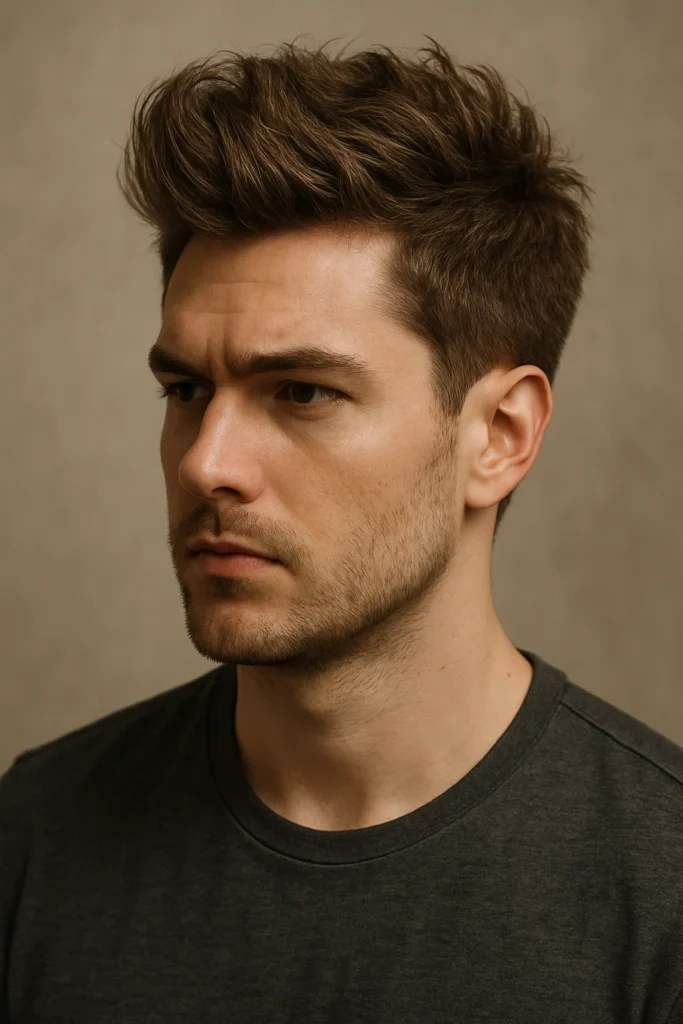
Many people believe they can’t achieve a textured quiff because their hair lacks natural volume. This is a common misconception. Even naturally flat hair can be styled into a voluminous quiff with the right approach. The cut itself plays a major role, but styling technique matters equally.
Start with damp hair rather than completely dry hair. Dampness allows you to reshape and direct the hair more effectively. Apply your chosen product to the damp hair, working it through from the roots. This is important because product applied only to the surface won’t create lasting volume. You need the product distributed throughout the hair shaft.
Use a blow dryer to set the style while the product is still wet. Direct the airflow upward and toward the side sweep direction. This helps the hair dry in the position you want it to hold. Once dry, you can use a comb or your fingers to refine the shape. The combination of product, blow drying, and directional styling creates volume even in naturally flat hair. With practice, this process becomes quick and automatic.
Dark Hair and Textured Quiff Styling
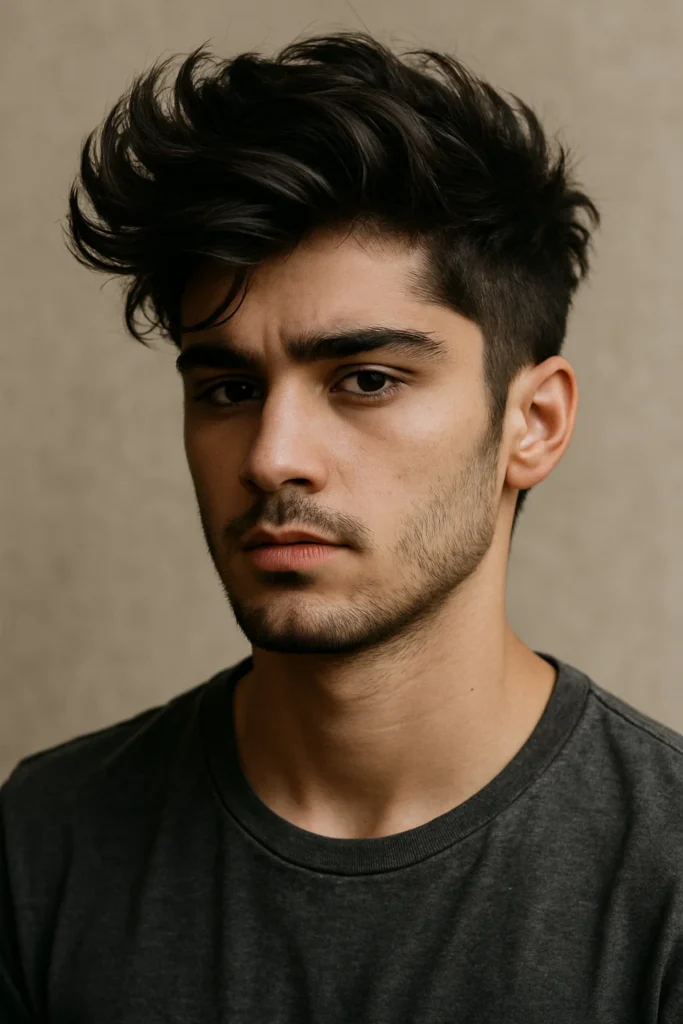
Dark hair has distinct advantages when it comes to the textured quiff. The contrast between light and shadow naturally emphasizes texture and separation. Individual strands stand out more clearly against the darker background. This makes the style look more defined and intentional, even if your styling isn’t perfectly precise.
With dark hair, you have flexibility in product choice. Matte products show texture beautifully. Slightly shinier products can also work, as they add dimension without looking greasy. The key is using the right amount. Too much product weighs dark hair down and makes it look flat. Too little leaves it looking unstyled. Finding the balance takes a few attempts, but most people discover their ideal amount quickly.
The side sweep looks particularly sharp with dark hair. The direction and movement become immediately visible. You can also experiment with different sweep angles more easily. A more dramatic sweep might suit some face shapes, while a gentler sweep works better for others. Dark hair makes these variations easy to see and adjust.
Wavy Hair and Relaxed Quiff Variations

Wavy hair brings natural texture to the quiff, which is actually an advantage. The waves provide built-in separation and movement. You don’t need to create texture through cutting technique alone. Instead, you’re working with what your hair naturally offers. This can make styling easier and faster.
For wavy hair, the cut should work with your natural wave pattern rather than against it. Shorter sides still apply, but the top can be slightly longer to accommodate the wave. The layers should be cut to enhance the wave rather than fight it. When you style, you’re encouraging the waves to flow in the sweep direction rather than creating texture from scratch.
Product choice matters differently for wavy hair. A lighter product often works better than heavy pomades. Creams, clays, and fibers all work well. The goal is to define and direct the waves without weighing them down. Apply product to damp hair and scrunch it upward to encourage the wave pattern. Then direct the overall shape toward the side sweep. This approach respects your hair’s natural texture while still achieving the quiff aesthetic.
Short Hair and Sleek Side Swept Styling
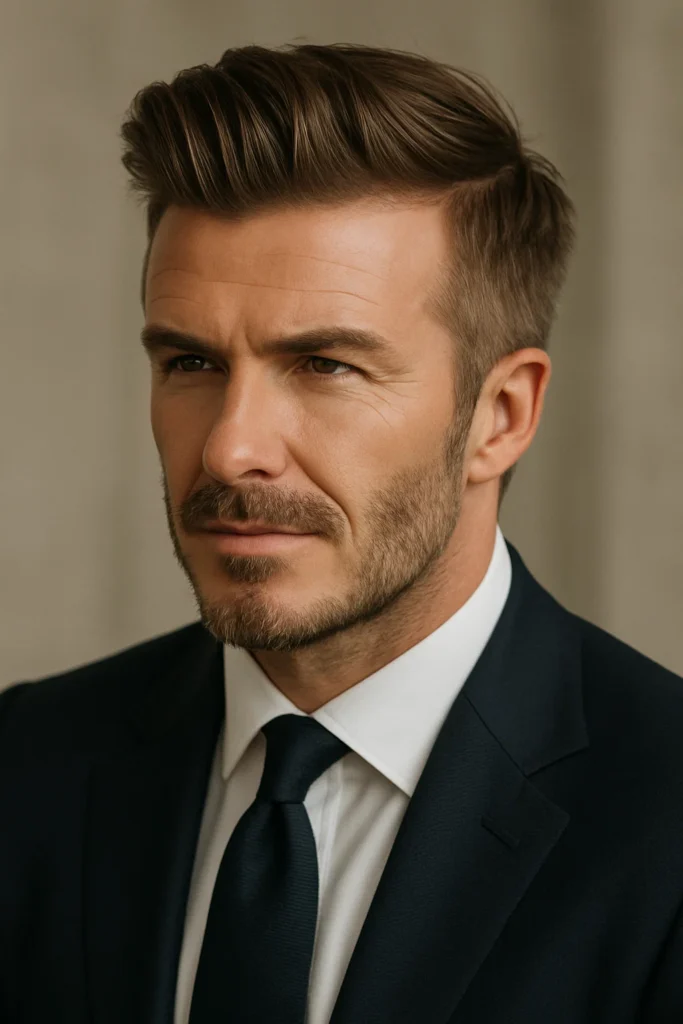
Short hair versions of the textured quiff offer a clean, sharp appearance. The sides are very short, often faded to skin. The top is longer but still relatively short, usually one to two inches. This creates maximum contrast and a very defined look. The side sweep is still present but more subtle due to the shorter length.
Styling short hair quiffs requires precision. You have less hair to work with, so every strand matters. Apply product to damp hair and use a comb to direct it precisely. The blow dryer helps set the style quickly. Because the hair is short, the style dries fast and holds well throughout the day. Many people find short quiffs require less daily maintenance than longer versions.
The sleek appearance comes from using slightly more product than you might with longer hair. The product helps define the short strands and creates that polished look. However, avoid using so much that the hair looks wet or greasy. The goal is defined and sharp, not slicked down. This version works particularly well for professional settings where a very neat appearance is desired.
Long Wavy Hair and Dramatic Quiff Styling
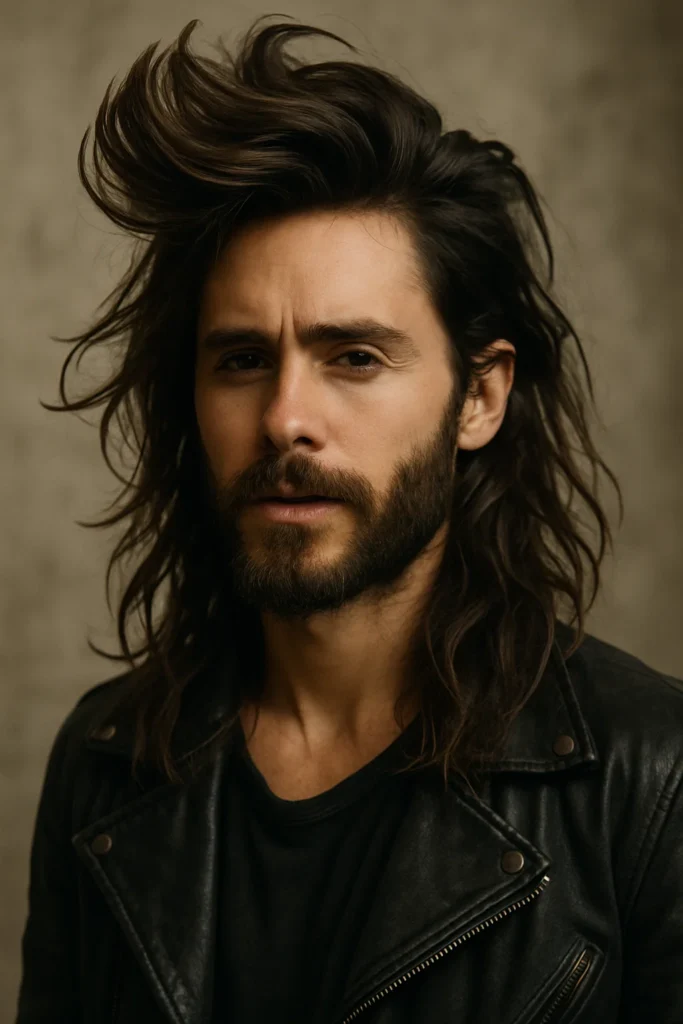
Longer hair allows for more dramatic quiff styling. The longer top section can be swept more dramatically to one side. The waves add movement and dimension that shorter versions can’t achieve. This creates a bold, confident look that stands out. The longer length also gives you more styling flexibility and options.
With longer wavy hair, the cut becomes even more important. The layers need to be cut at angles that encourage the wave pattern to flow in the sweep direction. Too many layers can make the hair look thin or wispy. Too few layers won’t create enough texture. Your barber should understand how to cut long wavy hair for this specific style.
Styling longer wavy quiffs requires a light touch. Heavy products will weigh the hair down and eliminate the wave pattern. Use a light cream or fiber product instead. Apply it to damp hair and work it through gently. Use your fingers rather than a comb to maintain the wave pattern. The blow dryer should be used on a lower heat setting to avoid damaging the longer hair. This version requires a bit more care, but the dramatic result is worth the effort.
Medium Length and Sleek Quiff Refinement
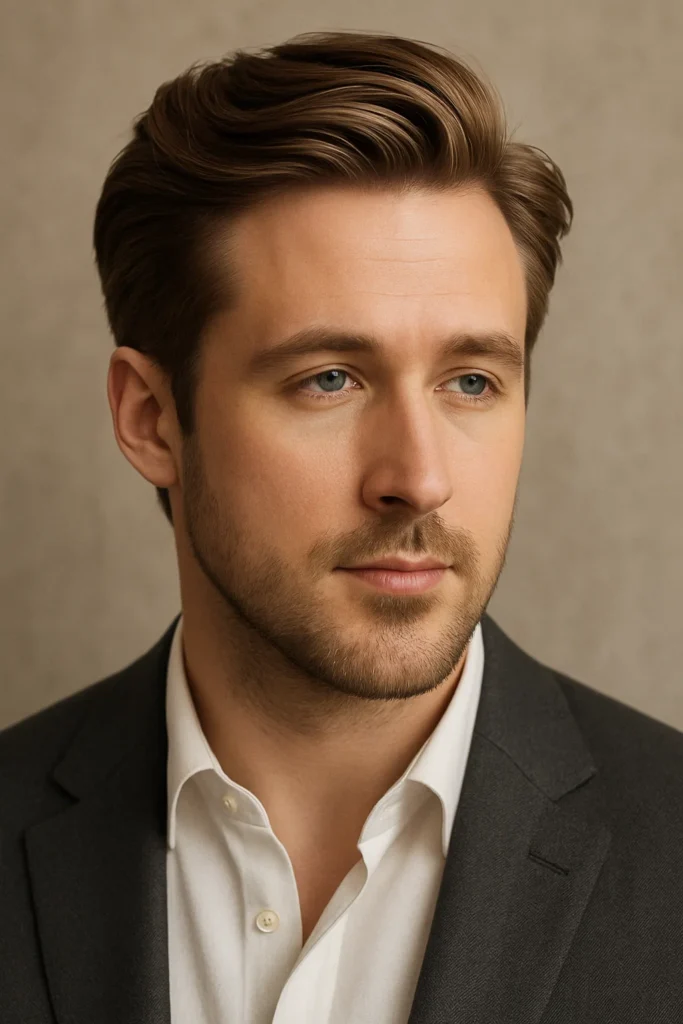
Medium length hair offers the sweet spot for many people. It’s long enough to create real volume and movement, but short enough to style quickly and maintain easily. The sides are tapered, and the top is typically two to three inches long. This proportion works well for most face shapes and hair types.
The sleek appearance in this version comes from careful product application and styling. Use a matte product that provides hold without shine. Apply it to damp hair and work it through thoroughly. Use a comb to create clean lines and direct the sweep. The blow dryer helps set everything in place. Once dry, you can refine the shape with your fingers if needed.
This length also allows for versatility. On days when you want a more casual look, use less product and let the hair be slightly messier. On days when you need a polished appearance, use more product and style more precisely. The medium length accommodates both approaches. This adaptability makes it a practical choice for people with varying daily demands. The textured quiff in this length works for casual weekends, office environments, and everything in between.


Leave a Reply