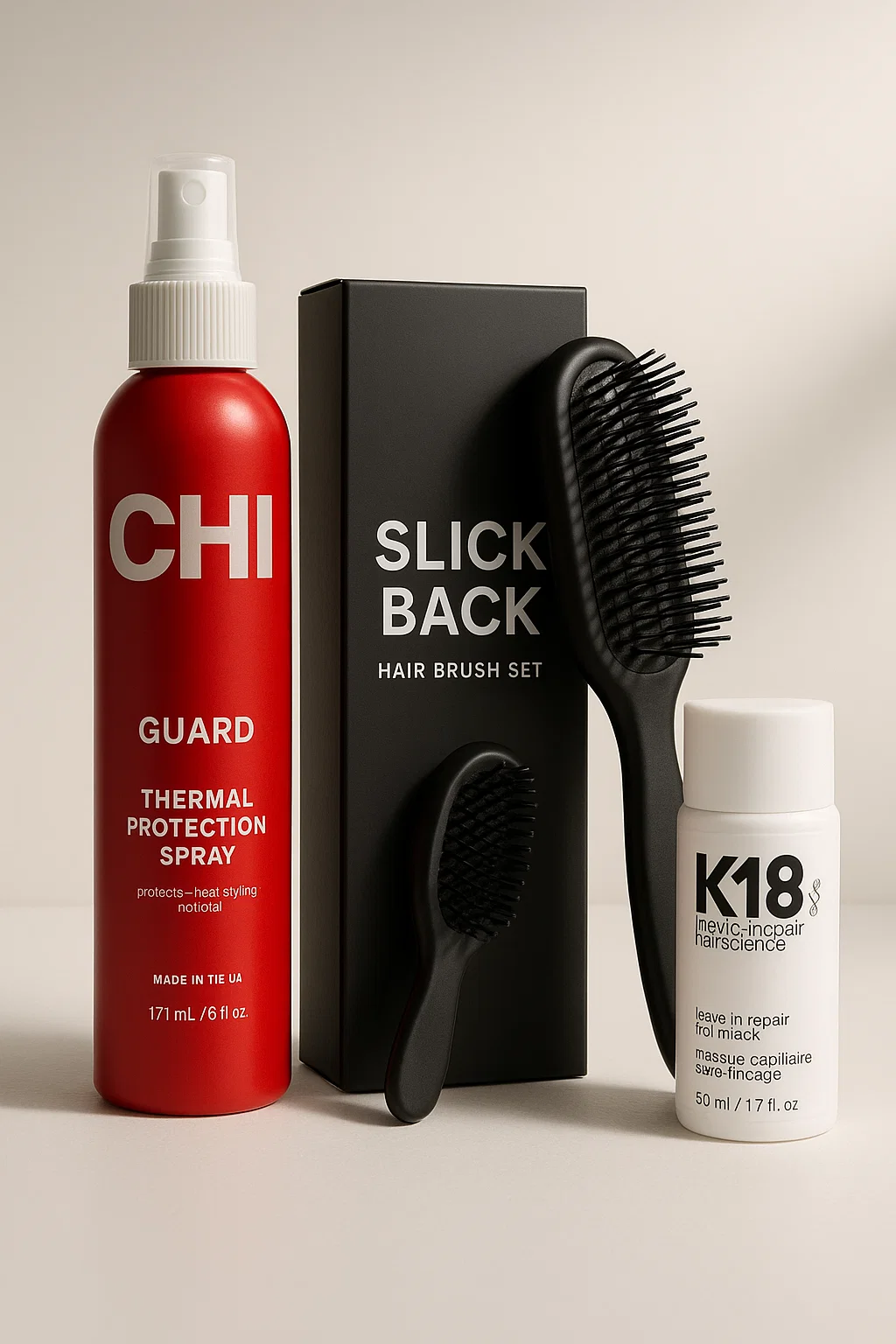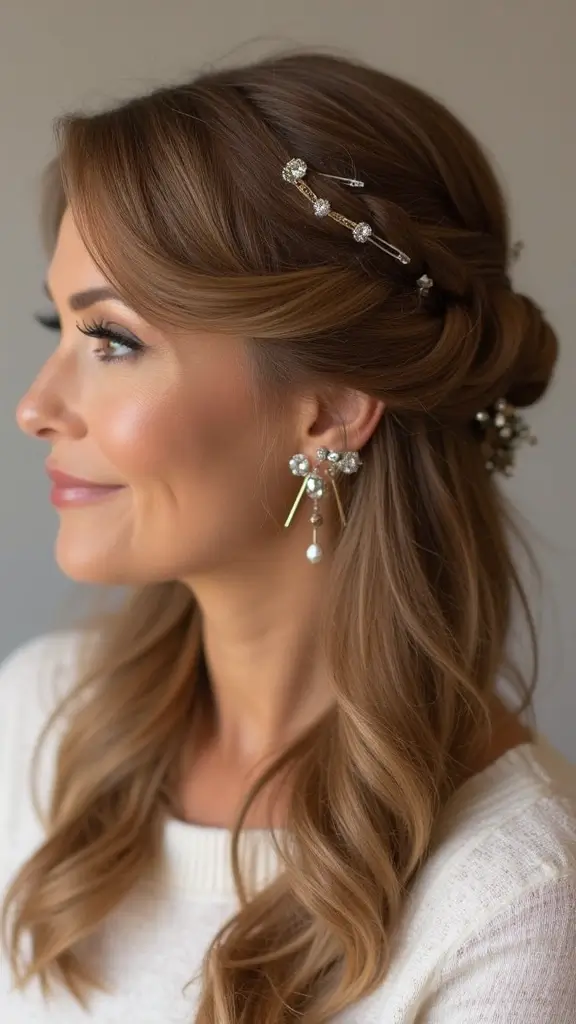
Your hair reflects your overall health and self-care habits. Many people struggle with slow growth, breakage, and weak strands. The frustration is real, but the solution is within reach. Growing long, strong hair takes commitment and the right approach. You don’t need expensive treatments or miracle products. Instead, focus on proven strategies that work from the inside out and the outside in.
This guide covers 22 actionable tips backed by hair science and real results. Some changes happen fast. Others take weeks or months to show. The key is consistency. Start with the tips that resonate most with your lifestyle, then layer in more as you build momentum. Your hair will thank you.
1.Choose the Right Hair Products

Not all products work for all hair types. Your hair needs products matched to its specific needs. Determine your hair type first: straight, wavy, curly, or coily. Then identify your main concern: dryness, oiliness, damage, or frizz.
Read ingredient lists. Avoid silicones, parabens, and heavy oils if your hair is fine or thin. These weigh hair down. If your hair is thick or coily, you may benefit from heavier moisturizers. Test products for two weeks before deciding. One person’s miracle product might not work for you. Be patient and willing to experiment.
2. Nourish with the Right Foods

Hair grows from within. What you eat directly impacts hair strength and growth rate. Protein is essential because hair is made of keratin, a protein structure. Include lean meats, eggs, beans, and Greek yogurt in your diet regularly.
Add biotin-rich foods like almonds, sweet potatoes, and spinach. Omega-3 fatty acids from salmon, walnuts, and flaxseeds support scalp health. Iron and zinc prevent hair loss. Red meat, lentils, and pumpkin seeds deliver both. Eat a variety of whole foods rather than relying on supplements alone. Your body absorbs nutrients better from real food.
3. Stay Hydrated

Dehydration weakens hair from the root. Your hair shaft contains water, and when your body lacks hydration, hair becomes brittle and prone to breakage. Drink at least eight glasses of water daily, more if you exercise or live in a hot climate.
Proper hydration supports nutrient transport to hair follicles. It also improves scalp moisture balance. You’ll notice softer, more resilient hair within days of increasing water intake. Make it a habit by keeping a water bottle with you throughout the day. Track your intake if needed to ensure consistency.
4. Use Sulfate-Free Shampoo
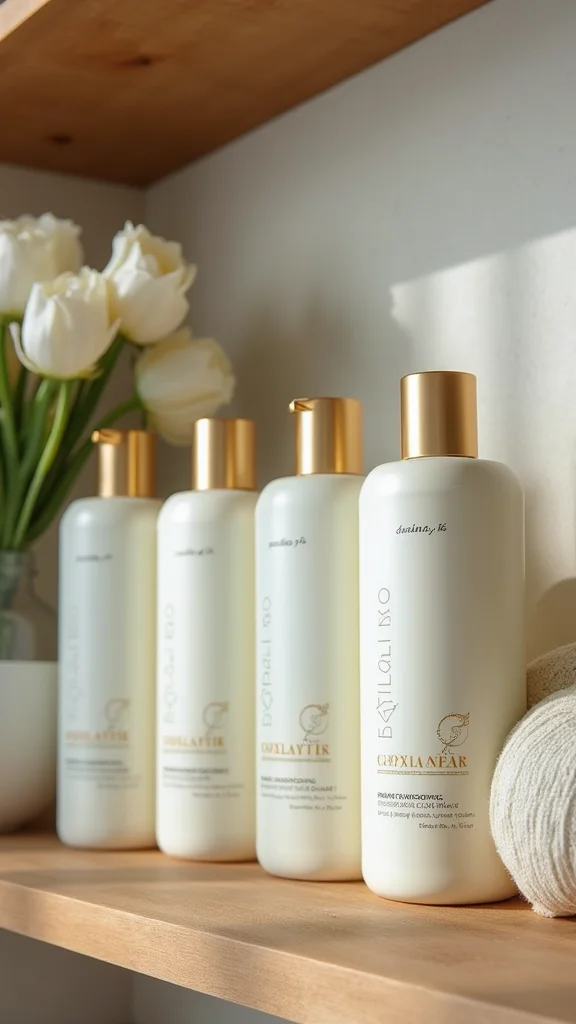
Sulfates strip natural oils from your hair and scalp. These harsh chemicals create a squeaky clean feeling but leave hair dry and damaged over time. Switch to sulfate-free shampoo formulas that cleanse without stripping.
Read labels carefully. Look for products listing water and plant-based cleansers as primary ingredients. Sulfate-free shampoos cost slightly more but last longer because you need less product. Your hair will feel softer and look shinier within two weeks. This single change prevents breakage and supports length retention.
5. Be Gentle When Washing

How you wash matters as much as what you use. Rough handling causes breakage and weakens hair structure. Wet hair is most vulnerable, so treat it with care. Use lukewarm water, not hot, which opens the cuticle and causes frizz.
Apply shampoo to your scalp, not the ends. Massage gently with fingertips. Rinse thoroughly. Apply conditioner to mid-lengths and ends, avoiding the scalp. Let it sit for two minutes. Rinse with cool water to seal the cuticle. Never rub hair with a towel. Instead, gently squeeze out water and wrap hair in a microfiber towel or cotton t-shirt.
6. Avoid Heat Styling Tools
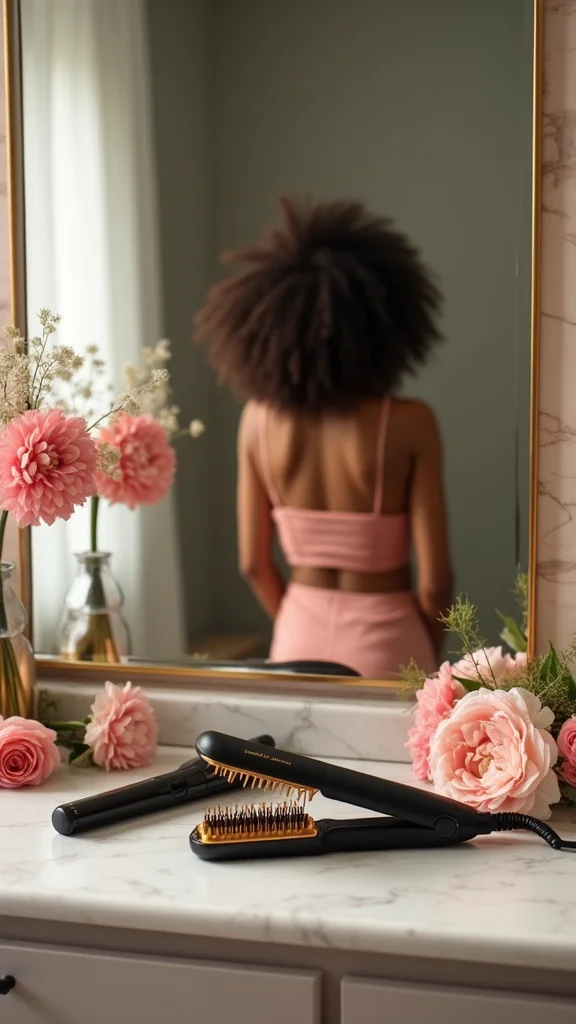
Blow dryers, flat irons, and curling tools damage hair structure. Heat breaks protein bonds, causing permanent damage. If you must use heat, apply a heat protectant spray first and use the lowest effective temperature. Limit heat styling to once or twice weekly.
Air-dry whenever possible. Embrace your natural texture. If you need styling, try heatless methods like braids, buns, or pin curls. Your hair will grow faster and stronger without heat exposure. You’ll also save time and money on styling tools and products.
7. Use a Silk or Satin Pillowcase

Cotton pillowcases create friction that causes breakage and frizz. Silk and satin pillowcases are smooth, reducing friction as you move during sleep. This simple swap prevents unnecessary damage to your hair and skin.
Silk pillowcases also help retain moisture in your hair. They’re especially beneficial if you sleep with your hair down. The investment pays off through reduced breakage and improved hair quality. You’ll notice less tangling and smoother hair when you wake up.
8.Start with Scalp Massages
Your scalp is the foundation of healthy hair. A simple massage increases blood flow to hair follicles, delivering oxygen and nutrients where they’re needed most. Spend five minutes each day using your fingertips to apply gentle pressure in circular motions across your entire scalp.
You can massage your scalp during your shower or before bed. Use your fingertips, not your nails. Apply steady, firm pressure without causing discomfort. This practice costs nothing and takes minimal time. Over weeks, you’ll notice improved scalp health and stronger hair growth.
9. Limit Chemical Treatments

Coloring, perming, relaxing, and bleaching damage hair structure. Each chemical treatment weakens protein bonds. If you color your hair, space treatments at least six weeks apart. Use semi-permanent dyes when possible. They’re gentler than permanent color.
Consider lowlights or balayage instead of full color to minimize damage. Skip relaxers and perms entirely if you can. If you must chemically treat your hair, use professional services and deep condition weekly. Trim damaged ends regularly. Limit treatments to two or three times yearly.
10. Protect from Sun Damage

UV rays damage hair just like they damage skin. Sun exposure causes color fading, dryness, and brittleness. Wear a hat or scarf when spending extended time outdoors. Use hair products with UV filters.
Leave-in conditioners with SPF offer dual protection and hydration. If you swim, wet your hair with fresh water first and apply a leave-in conditioner. This prevents chlorine and salt water absorption. Rinse immediately after swimming. These simple precautions preserve hair color and strength.
11. Avoid Tight Hairstyles

Tight ponytails, braids, and buns cause traction alopecia, a form of hair loss from constant pulling. Your hair follicles can only withstand so much tension. Wear loose styles most days. When you do style hair tightly, limit it to special occasions.
Alternate which side you part your hair. This distributes tension evenly. Use soft hair ties without metal. Avoid rubber bands. Give your hair breaks between styled days. Sleep with hair loose or in a loose braid. These habits prevent permanent damage to your hairline and edges.
12. Take Supplements Wisely
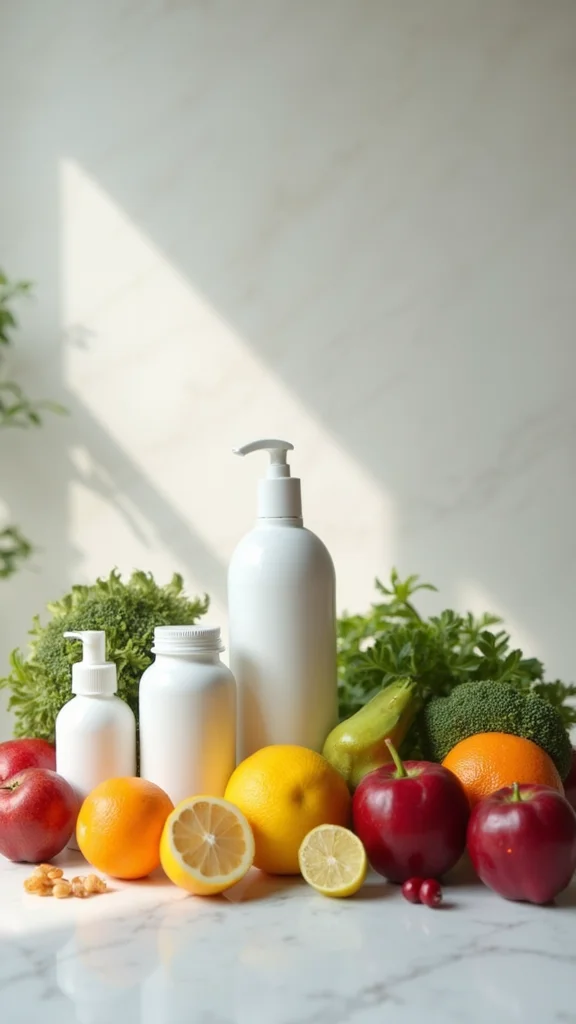
Supplements can support hair growth when you have nutritional gaps. Biotin, vitamin D, iron, and zinc are commonly deficient in people with slow hair growth. However, supplements work best alongside a nutritious diet, not as replacements.
Consult a doctor before starting supplements. Blood tests reveal actual deficiencies. Taking unnecessary supplements wastes money and can cause side effects. Quality matters. Choose brands tested by third parties. Take supplements consistently for at least three months before assessing results. Hair growth takes time.
13. Reduce Stress Levels

Chronic stress triggers telogen effluvium, a condition causing excessive shedding. Stress hormones disrupt the hair growth cycle. Managing stress directly supports hair health. Practice meditation, yoga, or deep breathing daily.
Exercise regularly. It reduces stress and improves circulation. Spend time in nature. Get adequate sleep. Maintain social connections. These practices lower cortisol levels and support overall health, including hair growth. You’ll notice less shedding and stronger regrowth within weeks of stress reduction.
14. Establish a Hair Care Routine
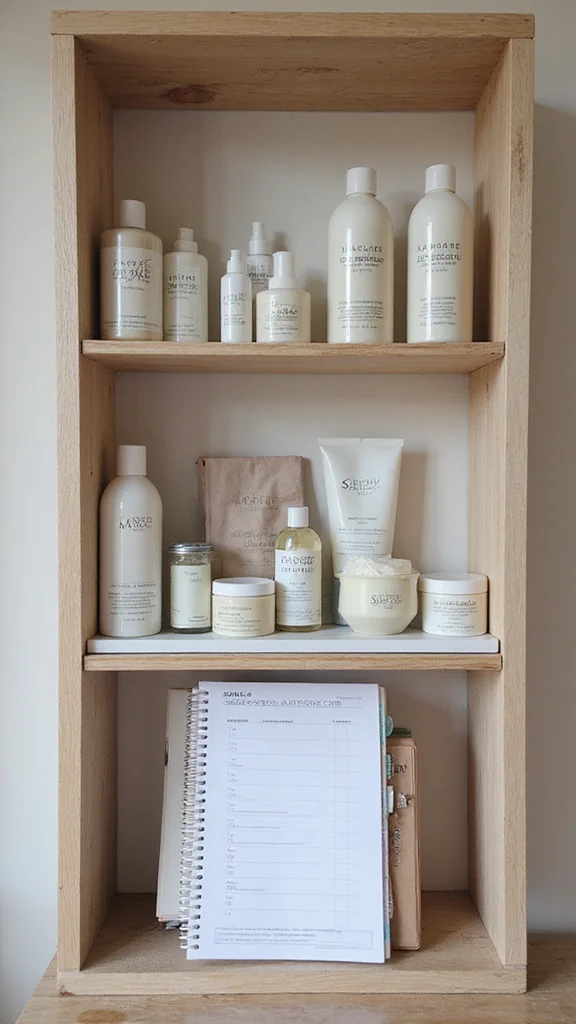
Consistency matters more than perfection. Create a simple routine you can follow daily. Wash hair twice weekly with sulfate-free shampoo. Condition every wash. Deep condition once weekly. Apply leave-in conditioner to damp hair.
Massage your scalp three times weekly. Trim ends every eight to twelve weeks. Take your supplements daily. Drink water consistently. A routine removes guesswork and ensures you’re doing the right things regularly. Write it down. Track it. Small daily actions compound into significant results over months.
15. Experiment with Natural Oils

Coconut oil, argan oil, jojoba oil, and castor oil nourish hair deeply. Each oil has different benefits. Coconut oil penetrates the hair shaft, reducing protein loss. Argan oil adds shine and reduces frizz. Jojoba oil balances scalp oil production. Castor oil stimulates growth.
Apply oils to damp hair, focusing on mid-lengths and ends. Leave on for at least thirty minutes or overnight. Shampoo thoroughly to remove oil. Start with one oil and observe results for four weeks. If it works, continue. If not, try another. Natural oils are affordable and effective when matched to your hair’s needs.
16. Avoid Over-Washing
Washing hair daily strips natural oils, forcing your scalp to overproduce oil. This creates a cycle of greasiness and damage. Wash hair only two to three times weekly. Your scalp will adjust within two weeks.
On non-wash days, use dry shampoo to absorb excess oil. Dry shampoo extends the time between washes and adds volume. This practice reduces damage from frequent washing and heat styling. Your hair will be healthier and stronger. You’ll also save time and money.
17. Balance Your Hormones
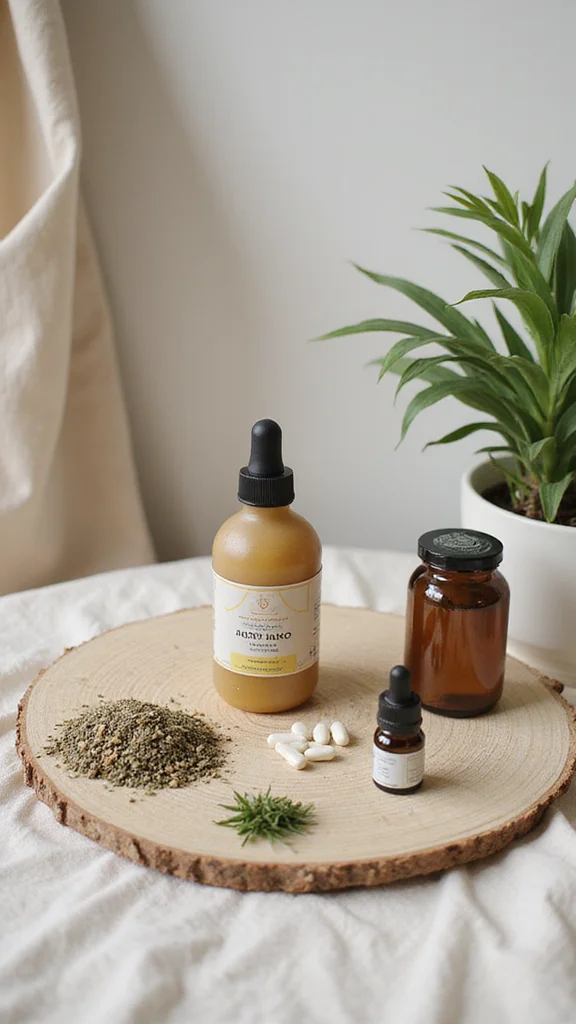
Hormonal imbalances cause hair loss and slow growth. Thyroid issues, PCOS, and hormonal contraceptives affect hair health. If you’re experiencing sudden hair loss or slow growth, consult a doctor. Blood tests reveal hormonal imbalances.
Address underlying conditions with medical guidance. Some hormonal contraceptives cause hair loss. Discuss alternatives with your doctor. Manage stress and sleep, which regulate hormones naturally. Eat foods supporting hormonal balance. These steps improve overall health and hair growth simultaneously.
18. Be Mindful of Allergies
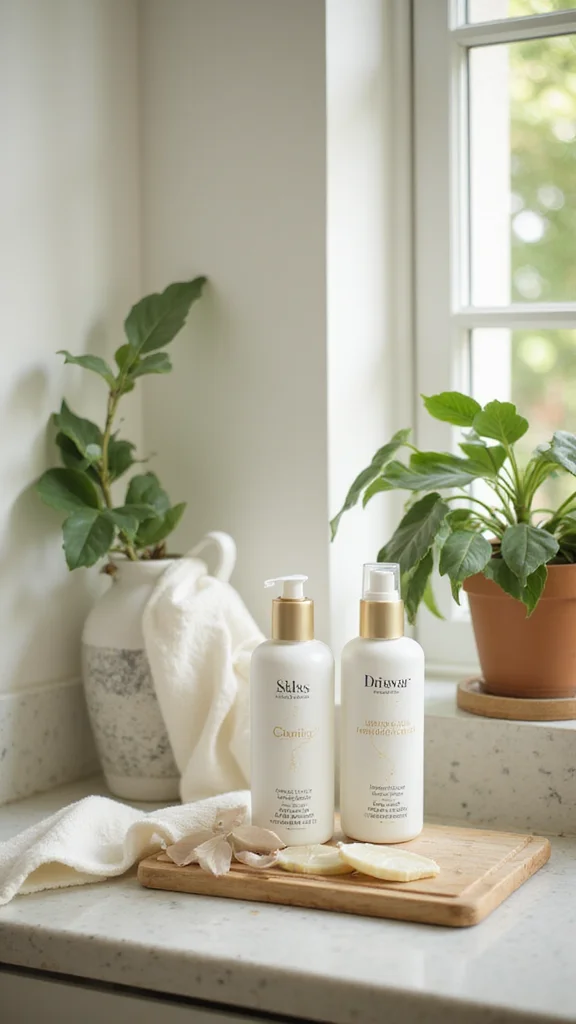
Allergic reactions to hair products cause scalp irritation, itching, and hair loss. Common allergens include fragrances, sulfates, and certain oils. If your scalp itches or burns after using a product, stop immediately.
Patch test new products on a small scalp area before full use. Wait twenty-four hours. If no reaction occurs, use the product. Keep a list of products that irritate your scalp. Avoid them in the future. Choose fragrance-free or lightly scented products if you have sensitive skin. Your scalp health directly impacts hair growth.
19. Use a Wide-Toothed Comb
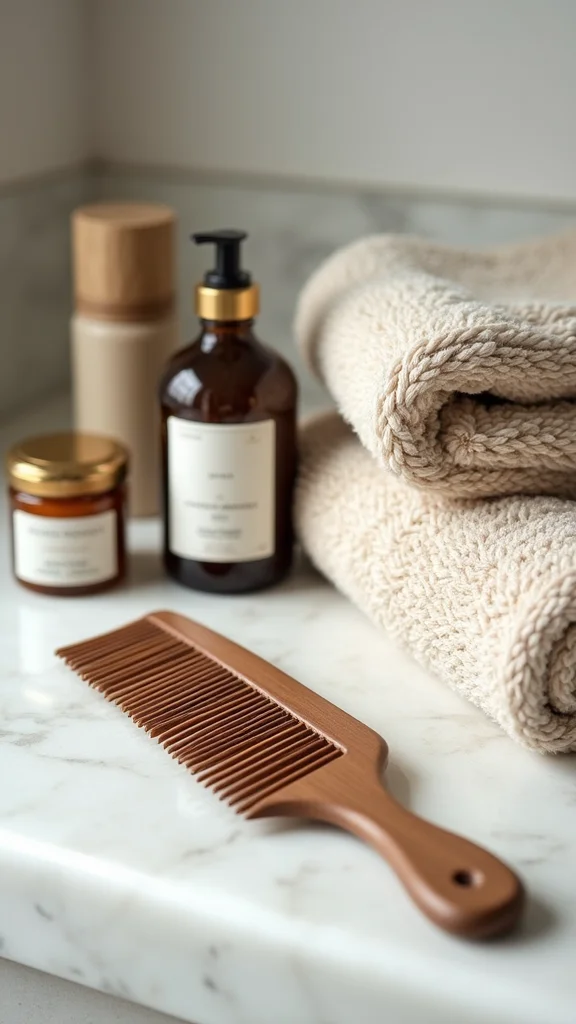
Brushes and fine-toothed combs cause breakage, especially on wet hair. Wide-toothed combs glide through tangles without pulling. Detangle hair while it’s still damp and coated with conditioner.
Start at the ends and work upward. Never brush wet hair aggressively. This practice prevents breakage and split ends. A quality wide-toothed comb costs little and lasts years. It’s one of the best investments for hair health. You’ll notice significantly less breakage within days.
20. Be Patient and Stay Consistent

Hair grows approximately half an inch monthly. Visible length takes months. Strength improvements appear faster, usually within four to eight weeks. Set realistic expectations. Celebrate small wins like reduced breakage and improved shine.
Take progress photos monthly. You’ll notice changes you might otherwise miss. Stay consistent even when results seem slow. Most people quit after two weeks. Those who continue for three months see dramatic improvements. Your hair is worth the investment of time and effort.
21. Seek Professional Guidance

A skilled stylist understands your hair’s unique needs. Regular trims prevent split ends from traveling up the hair shaft. A good stylist recommends products suited to your hair type. They catch damage early and suggest adjustments.
Visit a stylist every eight to twelve weeks for trims. Discuss your hair goals. Ask for product recommendations. If you’re experiencing significant hair loss, consult a dermatologist. They can identify underlying causes and recommend treatments. Professional guidance accelerates results and prevents costly mistakes.
22. Your Hair Growth Journey Starts Now

You now have twenty-two proven strategies for growing long, strong hair. Start with the easiest changes: switch to sulfate-free shampoo, use a silk pillowcase, and drink more water. These require minimal effort but deliver real results.
Add one or two more strategies weekly. Build momentum gradually. Track your progress. Celebrate improvements. Hair growth is a marathon, not a sprint. Consistency beats perfection. In six months, you’ll have noticeably longer, stronger hair. In a year, the transformation will be undeniable. Your commitment today creates the beautiful hair you want tomorrow.