Your morning skincare routine sets the tone for your entire day. The skin you wake up with is not the skin you’ll have by noon, and that’s where a solid routine comes in. A few minutes invested in the right steps can mean the difference between dull, tired looking skin and a complexion that glows with health and vitality.
The good news is that you don’t need complicated products or hours of time. What matters most is consistency, the right order of application, and understanding what your skin actually needs. This guide walks you through 25 actionable steps that work together to cleanse, nourish, and protect your face from morning until night. Whether you have oily, dry, combination, or sensitive skin, these principles adapt to your unique needs. By the end of this article, you’ll have a clear roadmap to build a morning routine that delivers real results.
1. Start with a Clean Slate
The foundation of any skincare routine is a clean face. Overnight, your skin sheds dead cells, produces oil, and collects dust and bacteria. Washing your face first thing removes all of this buildup and prepares your skin to absorb the products that follow.
Use lukewarm water and a gentle cleanser suited to your skin type. Massage the cleanser in circular motions for about 30 seconds, then rinse thoroughly. This simple step removes impurities and creates a blank canvas for the rest of your routine.
2. Exfoliate Gently
Exfoliation removes dead skin cells that can make your complexion look dull and tired. The key word here is gentle. Harsh scrubbing damages your skin barrier and causes irritation, so use a soft exfoliant no more than three times per week in the morning.
A chemical exfoliant with AHAs or BHAs works well for most skin types. Apply it after cleansing, leave it on for the recommended time, then rinse. Your skin will feel smoother and look brighter immediately. This step helps other products penetrate more effectively.
3. Tone for Balance
Toner restores your skin’s pH balance after cleansing and prepares it to receive serums and moisturizers. Many people skip this step, but it makes a noticeable difference in how well your other products work.
Apply toner with a cotton pad or by patting it in with your fingertips. Choose a hydrating toner if your skin is dry, or an astringent one if you’re oily. This step takes less than a minute but delivers significant benefits for skin clarity and texture.
4. Hydrating Serums

Serums are concentrated formulas that deliver active ingredients deep into the skin. A hydrating serum packed with hyaluronic acid or glycerin plumps your skin and creates a dewy finish that lasts all day.
Apply serum to damp skin right after toning. Use just a few drops and press gently into your face and neck. Serums absorb quickly and don’t leave a greasy residue, making them ideal for layering under other products.
5. Moisturize Like a Pro
Moisturizer locks in hydration and creates a protective barrier on your skin. Even oily skin needs moisturizer, though you should choose a lightweight, oil free formula.
Apply moisturizer to damp skin while your serum is still slightly wet. This helps seal in the hydration. Use upward strokes on your face and neck. A good moisturizer should feel comfortable on your skin without feeling heavy or sticky.
6. Protect with Sunscreen
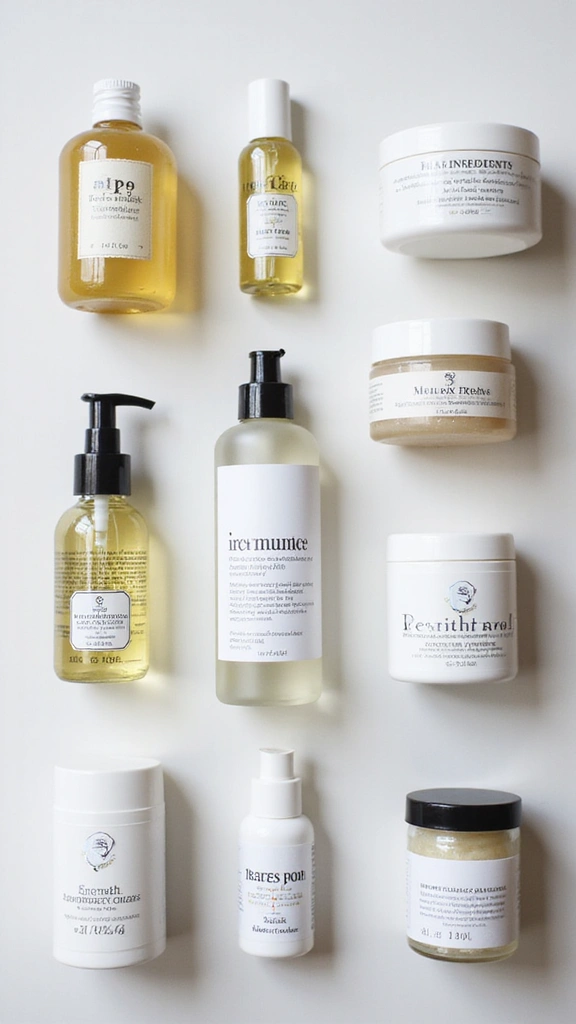
Sunscreen is non negotiable in any morning routine. UV damage causes premature aging, dark spots, and skin cancer. Applying SPF 30 or higher every single morning is the single most important anti aging step you can take.
Choose a sunscreen that feels good on your skin. Mineral sunscreens work well for sensitive skin, while chemical sunscreens absorb quickly and leave no white cast. Apply generously to your face, neck, ears, and any exposed skin. Reapply every two hours if you’re outdoors.
7. Eye Cream for Bright Eyes

The skin around your eyes is thinner and more delicate than the rest of your face. It needs special attention and a dedicated eye cream formulated for that sensitive area.
Use your ring finger to gently tap eye cream around the orbital bone. Avoid pulling or tugging on this fragile skin. A good eye cream reduces puffiness, minimizes fine lines, and brightens the under eye area so you look more awake and refreshed.
8. Lip Care is Essential

Your lips don’t have oil glands, so they dry out quickly and need consistent care. A morning lip balm keeps your lips soft, prevents chapping, and creates a smooth base for any lip color you might apply later.
Apply lip balm generously and let it absorb for a minute before moving on. Look for formulas with nourishing ingredients like beeswax, shea butter, or vitamin E. Healthy lips are part of a polished, put together appearance.
9. Facial Mists for a Refresh

A facial mist adds an extra layer of hydration and gives your skin a dewy, refreshed appearance. Mists are lightweight and can be applied over makeup without disrupting it, making them useful throughout the day.
Spray the mist evenly across your face from about six inches away. Let it dry naturally or gently pat it in with a tissue. Choose a mist with hydrating or soothing ingredients like rose water, witch hazel, or hyaluronic acid.
10. Incorporate a Gua Sha
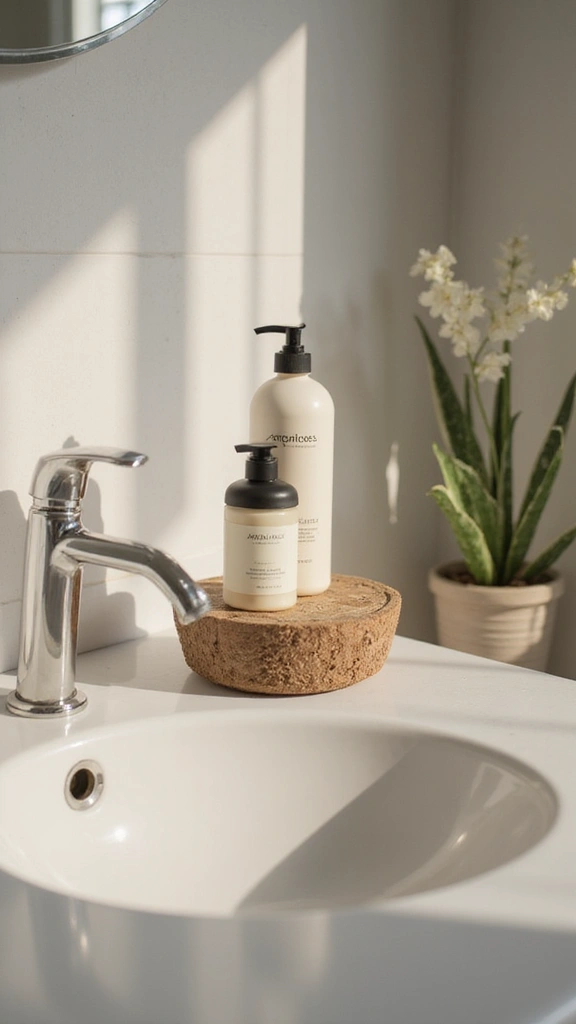
A gua sha stone is a traditional tool that improves circulation, reduces puffiness, and helps products absorb better. Using one for just two minutes in the morning makes a visible difference in how your skin looks and feels.
Glide the gua sha upward along your jawline, cheekbones, and forehead. Use gentle pressure and move slowly. The massage stimulates lymphatic drainage and leaves your skin looking lifted and more sculpted. It’s a luxurious step that takes minimal time.
11. Stay Hydrated Inside Out
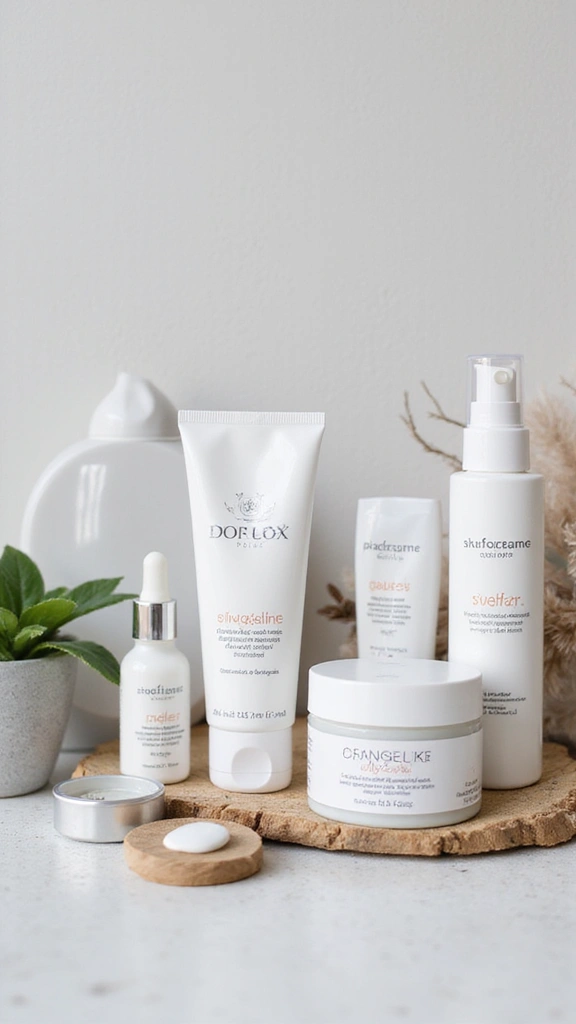
Drinking water is fundamental to skin health. Dehydrated skin looks dull, tired, and more prone to breakouts. Starting your day with a glass of water before anything else sets a hydration foundation.
Aim to drink at least eight glasses of water throughout the day. Your skin will look plumper, more radiant, and more resilient. Hydration from the inside out works in tandem with your topical skincare routine to deliver lasting results.
12. Healthy Breakfast Matters
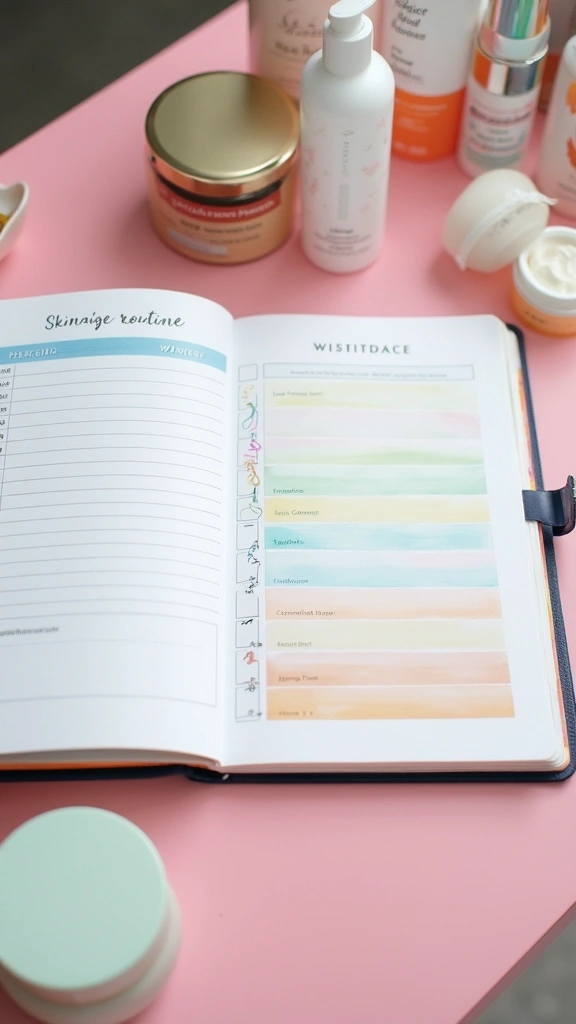
What you eat affects your skin. A breakfast rich in antioxidants, healthy fats, and vitamins supports skin health from the inside. Foods like berries, avocado, eggs, and leafy greens provide nutrients that show up in your complexion.
Avoid sugary cereals and processed foods that can trigger inflammation and breakouts. A balanced breakfast stabilizes blood sugar, reduces stress hormones, and gives your skin the building blocks it needs to repair and regenerate overnight.
13. Consistency is Key

The most effective skincare routine is the one you actually do every single day. Skipping steps or switching products constantly prevents your skin from adapting and showing results.
Commit to your routine for at least four to six weeks before deciding if it’s working. Your skin needs time to adjust to new products and show improvement. Write down your routine or set phone reminders to help you stay on track.
14. Customize Your Routine

No two people have identical skin. What works for your friend might not work for you, and that’s completely normal. The key is understanding your skin type and choosing products formulated for your specific needs.
If you have oily skin, skip heavy creams and use lightweight gels. If you’re dry, invest in richer moisturizers and hydrating serums. If you have sensitive skin, avoid fragrance and stick to gentle, minimal ingredient formulas. Customization ensures your routine actually addresses your concerns.
15. Double Up on Products
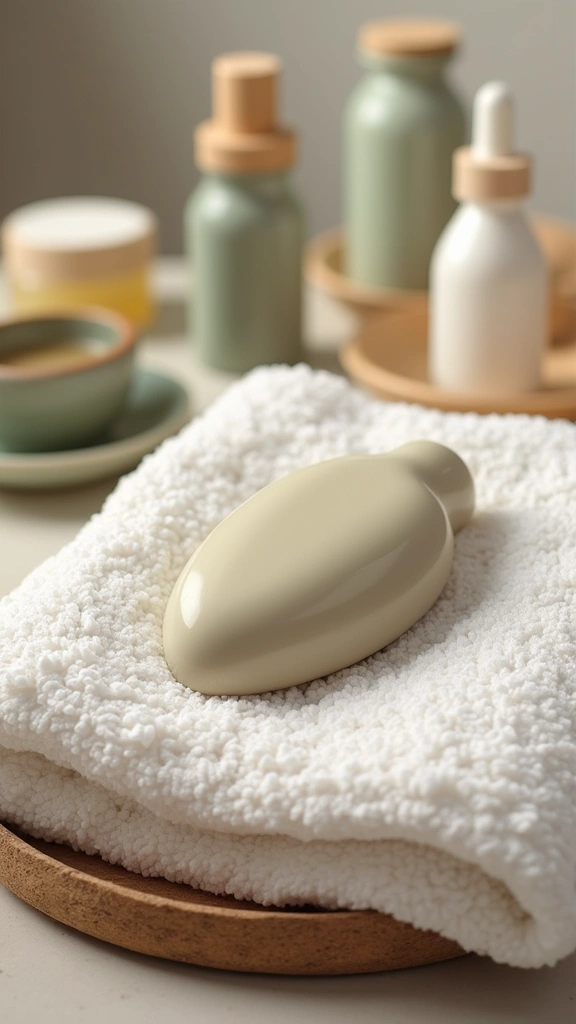
Layering products strategically amplifies their benefits. The general rule is to apply products from thinnest to thickest consistency, allowing each one to absorb before adding the next.
Start with watery toners and serums, then move to creams and oils. This order ensures each product penetrates properly and works synergistically with the others. Proper layering means you get more benefit from fewer products.
16. Use Fresh Towels

The towel you use to dry your face matters more than you might think. A dirty towel introduces bacteria and irritants to your freshly cleansed skin, undoing all your hard work.
Use a clean towel every single time you wash your face. Better yet, use a soft microfiber cloth or a clean cotton t shirt instead of a rough towel. Pat your skin gently rather than rubbing. This prevents irritation and keeps your skin barrier intact.
17. Create a Relaxing Atmosphere
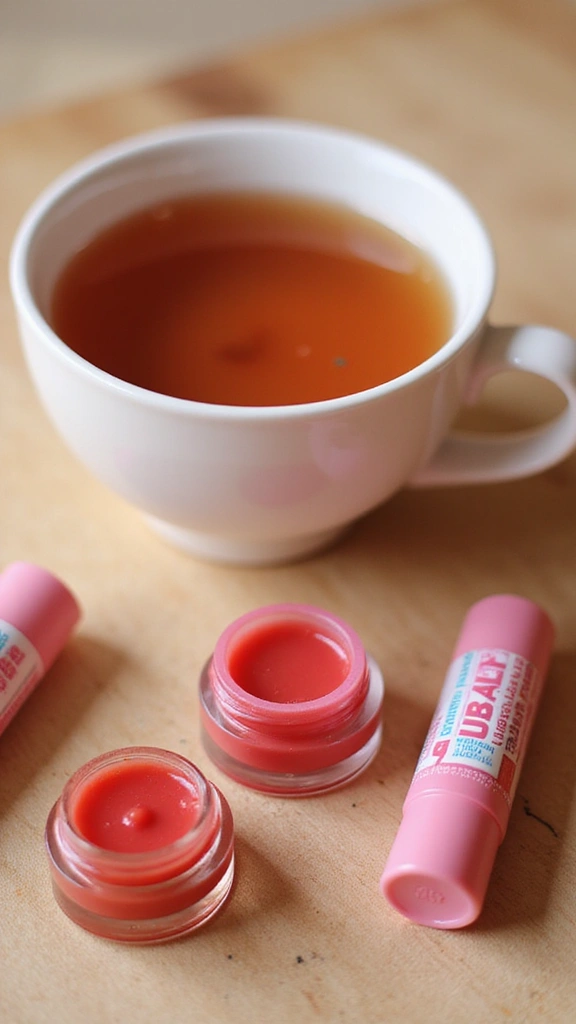
Your mindset during your skincare routine matters. Taking time to slow down and be present transforms skincare from a chore into a moment of self care.
Dim the lights, play soft music, or light a candle. Take deep breaths while you apply your products. This ritual reduces stress, which directly benefits your skin since stress hormones trigger breakouts and inflammation. A calm morning sets a positive tone for your entire day.
18. Avoid Hot Water
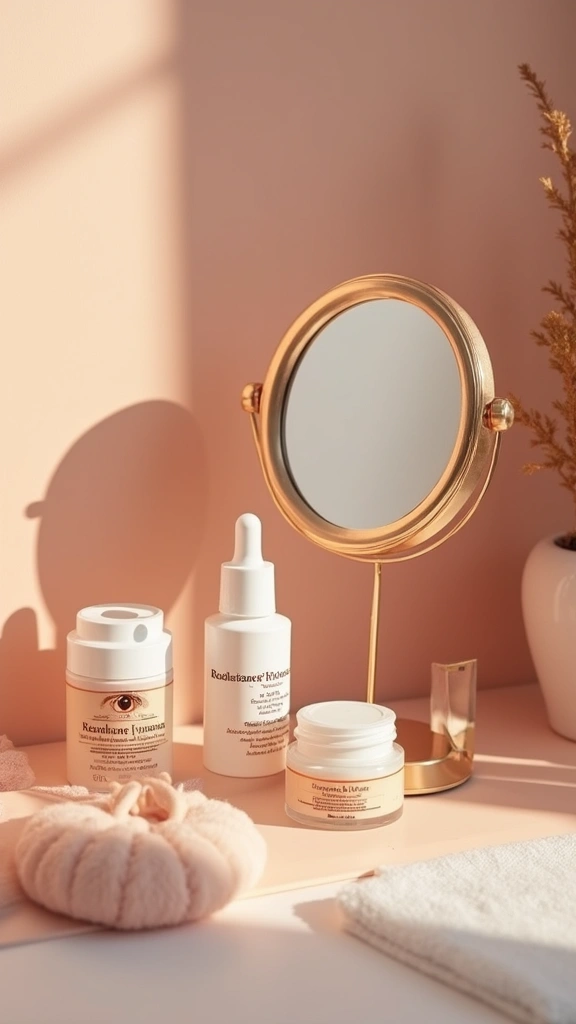
Hot water strips your skin of natural oils and damages your skin barrier. It causes redness, irritation, and increased sensitivity. Lukewarm water is always the better choice.
When you wash your face, use water that feels comfortable but not hot. The same applies to showers. Hot water might feel good in the moment, but it leaves your skin dry and compromised. Lukewarm water cleanses effectively without causing damage.
19. Watch Out for Ingredients

Not all skincare ingredients are created equal. Some can irritate your skin or cause adverse reactions. Learning to read ingredient lists empowers you to make smart choices.
Avoid products with alcohol, sulfates, and synthetic fragrances if you have sensitive skin. Look for products with proven beneficial ingredients like niacinamide, ceramides, and peptides. Understanding what’s in your products helps you build a routine that actually works.
20. Be Mindful of Allergies

Introducing new products without testing can trigger allergic reactions. Always patch test new skincare items on a small area of skin first, preferably behind your ear or on your inner arm.
Wait 24 to 48 hours to see if any irritation develops. If all is well, gradually introduce the product into your routine. This cautious approach prevents painful reactions and wasted money on products your skin can’t tolerate.
21. Mind Your Makeup

If you wear makeup, the order matters. Apply makeup only after your skincare has fully absorbed and set. Applying makeup too soon traps moisture and can cause breakouts.
Use a primer to create a smooth base and help your makeup last longer. Choose makeup products that won’t clog your pores or irritate your skin. Quality makeup applied over a solid skincare routine looks better and lasts longer throughout the day.
22. Address Skin Concerns
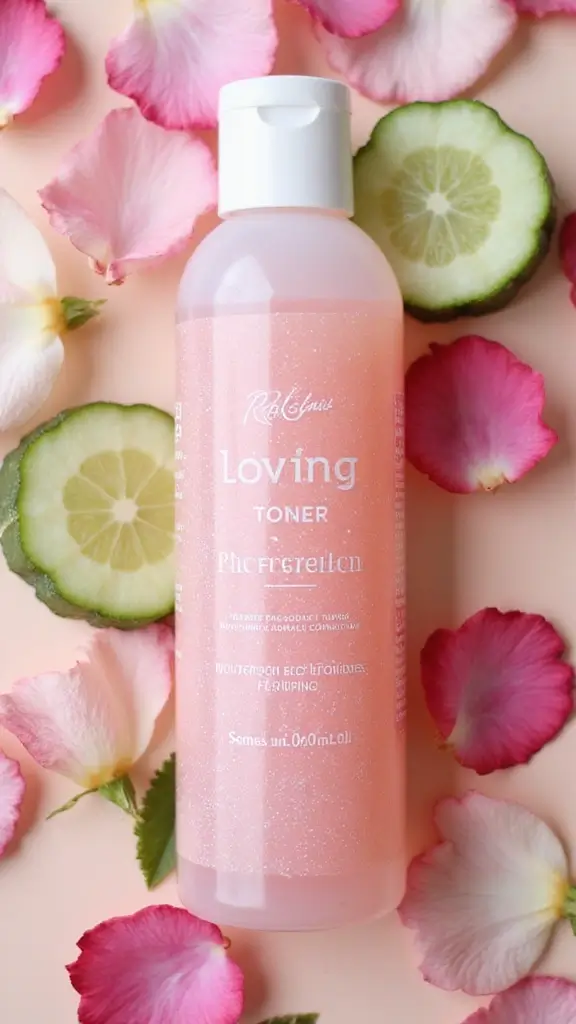
If you have specific concerns like acne, hyperpigmentation, or rosacea, add targeted treatments to your routine. These might include spot treatments, vitamin C serums, or niacinamide products.
Apply targeted treatments after toning but before moisturizing. Use them consistently for at least six weeks to see results. Addressing specific concerns requires patience and the right products, but the payoff is worth it.
23. Review Your Routine Regularly
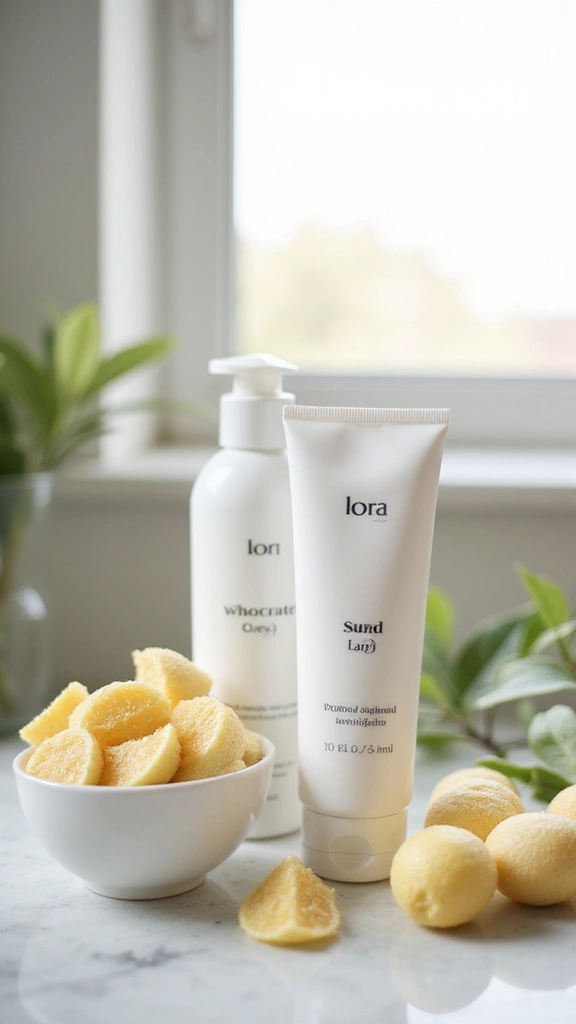
Your skin changes with the seasons, your age, and your lifestyle. What worked perfectly last year might not be ideal now. Review your routine every few months and adjust as needed.
Pay attention to how your skin responds to your current products. If you’re experiencing new breakouts, dryness, or sensitivity, it might be time to switch something up. Regular reviews ensure your routine stays effective and relevant.
24. Celebrate Your Progress
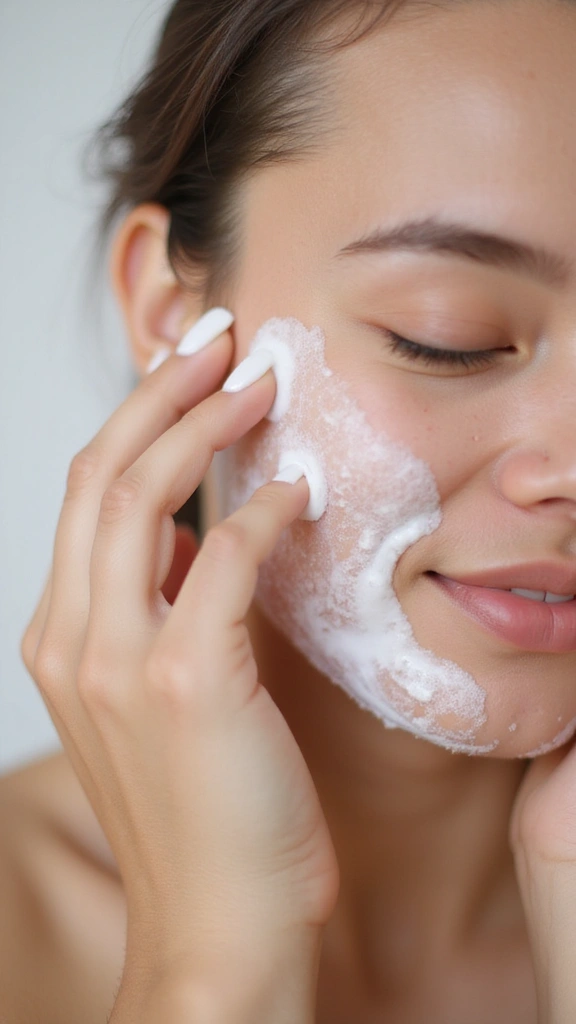
Taking care of your skin is an investment in yourself. As you stick with your routine, you’ll notice improvements in texture, clarity, and overall radiance. Take time to acknowledge these wins.
Take photos of your skin every month to track progress. Notice how you feel when your skin looks and feels good. Celebrating small victories keeps you motivated to maintain your routine long term.
25. Avoid Overloading Your Skin

More products don’t equal better results. In fact, using too many products can overwhelm your skin, cause irritation, and make it harder to identify what’s actually working.
Start with the essentials: cleanser, toner, serum, moisturizer, and sunscreen. Once you’ve mastered these, you can add targeted treatments if needed. A streamlined routine is easier to maintain and often more effective than a complicated one with dozens of steps.


Leave a Reply