Your teenage years bring changes to your skin. Hormones shift. Oil production increases. Breakouts happen. But you can take control with a solid skincare routine. This guide walks you through 15 essential steps that work for teen skin. Each step builds on the last. Together, they create a system that reduces acne, balances oil, and keeps your complexion clear.
You don’t need expensive products or complicated rituals. You need consistency and the right approach. This routine fits into your busy schedule. Morning and evening routines take just minutes once you establish the habit. You’ll see real results in weeks, not months. Your skin will feel healthier. Your confidence will grow. Let’s start with the foundation and work our way to advanced care.
Exfoliation

Dead skin cells pile up on your surface. They clog pores and trap bacteria. Exfoliation removes this buildup. Use a gentle exfoliant two to three times per week. Chemical exfoliants with AHA or BHA work better than physical scrubs for teen skin. They dissolve dead cells without harsh friction.
Apply your exfoliant after cleansing on damp skin. Leave it on for the time recommended on the label. Rinse with cool water. Your skin will feel smoother immediately. Over exfoliating causes irritation and redness, so stick to two or three times weekly. If your skin feels raw or sensitive, reduce frequency. Exfoliation reveals fresh skin underneath and helps other products penetrate deeper.
Toning
Toners balance your skin’s pH after cleansing. Cleansers can leave your skin slightly alkaline. Toners restore the natural acidic pH that protects your skin. They also prep your skin to absorb serums and treatments better. Apply toner with a cotton pad or spray it directly onto your face.
Look for toners with hydrating ingredients like glycerin or rose water. Avoid alcohol-based toners that dry out teen skin. Pat the toner in gently. Don’t rub. This step takes 30 seconds but makes a real difference in how well your other products work. A balanced pH means fewer breakouts and less irritation. Your skin will feel refreshed and ready for the next step.
Targeting Acne with Treatment
Acne treatments target active breakouts directly. Salicylic acid and benzoyl peroxide are proven ingredients for teen acne. They unclog pores and kill bacteria. Apply treatment only to affected areas, not your entire face. A little goes a long way. Start with lower concentrations to avoid irritation.
Use treatment after toning but before serums. Let it dry completely before moving to the next step. If you use both morning and night, watch for dryness or peeling. You can reduce to once daily if needed. Consistency matters more than strength. Using a gentle treatment every day beats using a harsh one occasionally. Give treatments at least four weeks to show results.
Hydrating Serum
Serums deliver concentrated ingredients deep into your skin. Hydrating serums with hyaluronic acid hold water in your skin. This plumps fine lines and keeps skin supple. Apply serum to damp skin right after toning. Use just a few drops. Rub between your palms and press into your face.
Serums are lightweight and absorb quickly. They work under moisturizer without feeling heavy. Hyaluronic acid can hold up to 1000 times its weight in water. Your skin will feel hydrated and look dewy. This step is especially important if you have combination skin or live in a dry climate. Hydrated skin is less likely to overproduce oil and break out.
Moisturization

Moisturizer locks in hydration and protects your skin barrier. Even oily teen skin needs moisturizer. The key is choosing the right formula. Look for lightweight, non-comedogenic moisturizers that won’t clog pores. Gel or lotion textures work better than heavy creams for most teens.
Apply moisturizer to damp skin after your serum. Use an amount about the size of a pea. Spread it evenly across your face and neck. Let it absorb for a minute before moving on. A good moisturizer keeps your skin soft and prevents the tight feeling that leads to excess oil production. Your skin barrier stays strong. Breakouts decrease. This step takes 30 seconds and makes a huge difference in skin health.
Sun Protection
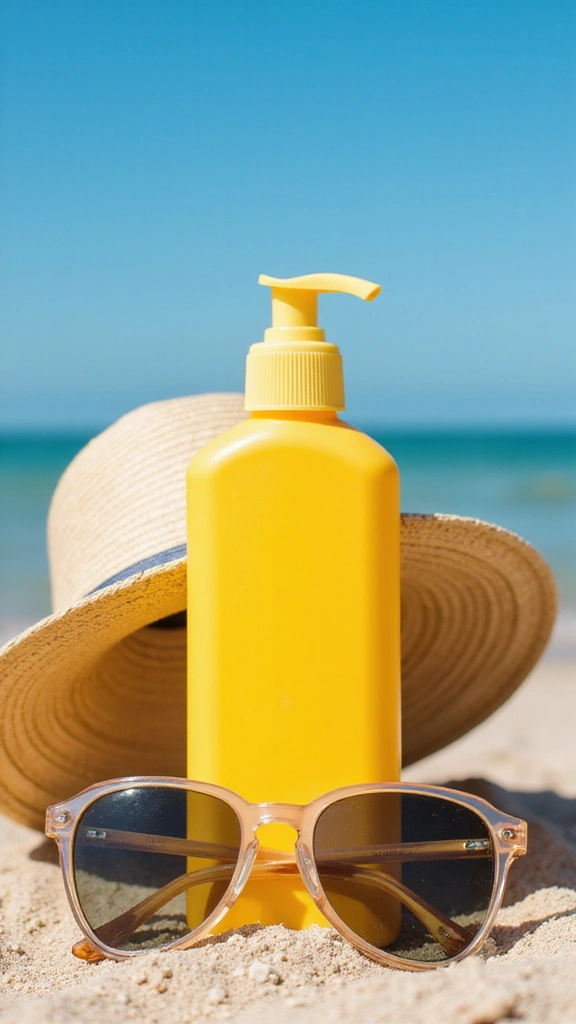
Sun damage ages skin and causes dark spots. Sunscreen is non-negotiable in your routine. Use broad-spectrum SPF 30 or higher every single day, even when it’s cloudy. UV rays penetrate clouds and reflect off surfaces. Apply sunscreen as your last morning step.
Use about a quarter-sized amount for your face. Spread it evenly and let it set for a minute. Reapply every two hours if you’re outside. Look for sunscreens made for faces that won’t clog pores. Mineral sunscreens with zinc oxide work well for acne-prone skin. Sunscreen prevents future damage and keeps your skin looking young. It’s the most important anti-aging product you can use at any age.
Night Cream or Oil
Your skin repairs itself at night. A richer product supports this process. Night creams and facial oils provide deep nourishment while you sleep. They’re heavier than day moisturizers because you don’t need to wear makeup over them. Apply after your evening routine is complete.
Use a pea-sized amount of night cream or just a few drops of oil. Massage gently into your skin. Your skin will absorb it overnight. You’ll wake up with softer, more hydrated skin. Night products with ingredients like retinol or peptides boost repair. If you have oily skin, use a lightweight night serum instead of cream. Your skin will thank you with clearer, healthier appearance by morning.
Eye Cream
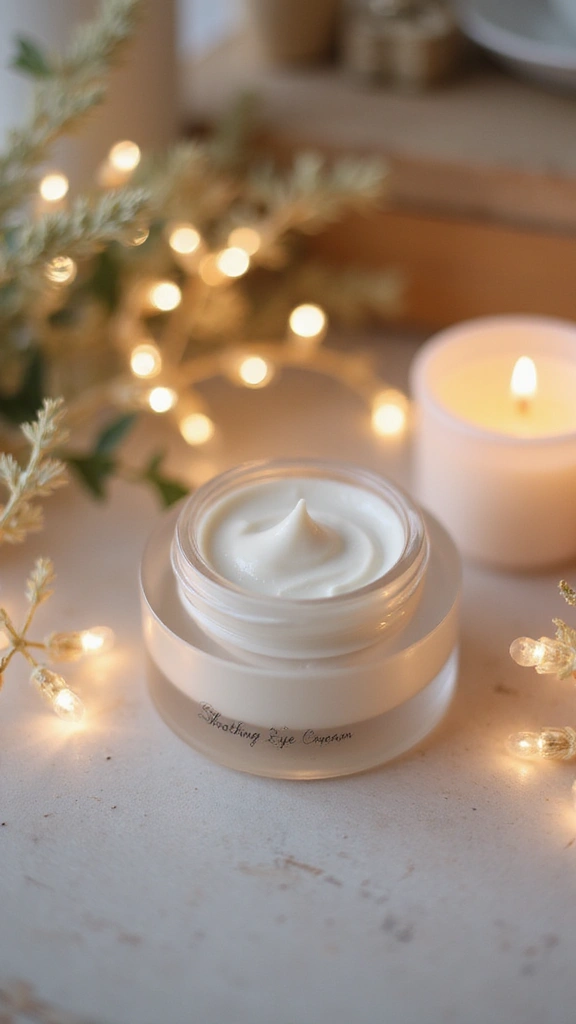
The skin around your eyes is thinner and more delicate. It needs special care. Eye cream addresses puffiness, dark circles, and fine lines. Apply eye cream after your main moisturizer but before night cream. Use your ring finger, which applies the least pressure.
Dab a tiny amount around the orbital bone. Don’t pull or tug. The eye area is sensitive and prone to irritation. A good eye cream hydrates without feeling heavy. It won’t migrate into your eyes and cause irritation. Even teens benefit from eye care. This area shows age first, so starting early prevents problems. Eye cream takes five seconds but protects an important area.
Weekly Face Masks
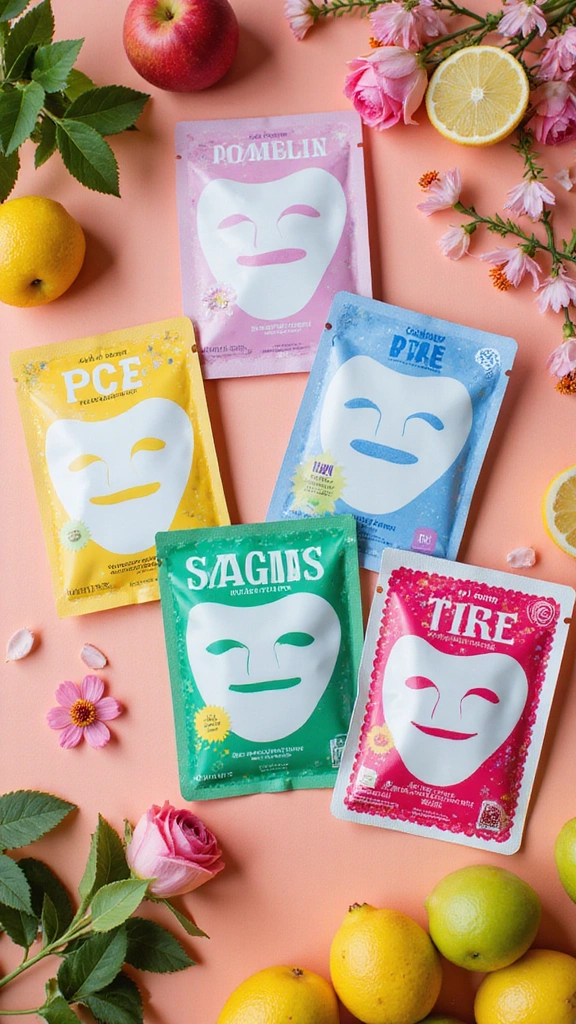
Face masks provide concentrated treatment once a week. Clay masks draw out impurities and oil. Hydrating masks boost moisture. Choose based on your skin’s current needs. Apply masks to clean skin and leave on for the recommended time, usually 10 to 15 minutes.
Rinse with warm water and follow with your regular routine. Masks feel luxurious and give visible results. Your skin will look brighter and feel refreshed. Use clay masks if you’re dealing with breakouts. Use hydrating masks if your skin feels dry. Alternating between types keeps your skin balanced. This weekly ritual takes 15 minutes and makes a noticeable difference in skin clarity and texture.
Healthy Lifestyle Choices
What you eat and do affects your skin. A diet rich in fruits, vegetables, and lean protein supports clear skin. Omega-3 fatty acids from fish and nuts reduce inflammation. Limit sugar and processed foods that spike blood sugar and trigger breakouts. Drink plenty of water to keep skin hydrated from inside.
Exercise increases blood flow and delivers oxygen to your skin. It also reduces stress hormones that cause acne. Sleep matters too. Your skin repairs during deep sleep. Aim for eight hours nightly. These lifestyle factors work alongside your skincare routine. You can’t out-product a bad diet or lack of sleep. Taking care of your whole body creates the foundation for clear skin.
Stress Management
Stress triggers breakouts. When you’re stressed, your body releases cortisol. This hormone increases oil production and inflammation. Managing stress directly improves your skin. Find activities that calm you. Meditation, yoga, journaling, or time in nature all help. Even ten minutes daily makes a difference.
Deep breathing reduces stress instantly. When you feel overwhelmed, take five slow, deep breaths. Your nervous system calms down. Your skin responds. Exercise is another powerful stress reliever. It burns off stress hormones and releases endorphins. Talk to friends or family about what’s bothering you. Keeping stress bottled up makes breakouts worse. Taking care of your mental health is skincare too.
Consistency is Key
Results take time. Your skin cells turn over every 28 days. Real changes appear after four to six weeks of consistent routine. Don’t jump between products or skip steps. Stick with your routine even when you don’t see immediate results. Patience pays off.
Set reminders on your phone if you forget. Keep products in your bathroom where you’ll see them. Make your routine a habit like brushing your teeth. Morning and evening routines become automatic. You won’t have to think about them. Consistency beats perfection. Missing a step occasionally won’t ruin your progress. But skipping your routine regularly will. Your future self will thank you for the discipline you show today.
Consult a Professional
If your acne is severe or doesn’t improve after eight weeks, see a dermatologist. A professional can prescribe stronger treatments. They can identify underlying causes like hormonal imbalances or allergies. They can recommend products suited specifically to your skin type. Professional guidance saves time and money.
Don’t feel embarrassed about acne. Dermatologists see it every day. They have solutions that over-the-counter products can’t provide. Prescription treatments like retinoids or antibiotics work faster than store-bought options. A dermatologist can also rule out other skin conditions. Getting professional help early prevents scarring and long-term damage. Your skin is worth the investment.
Gentle Cleansing
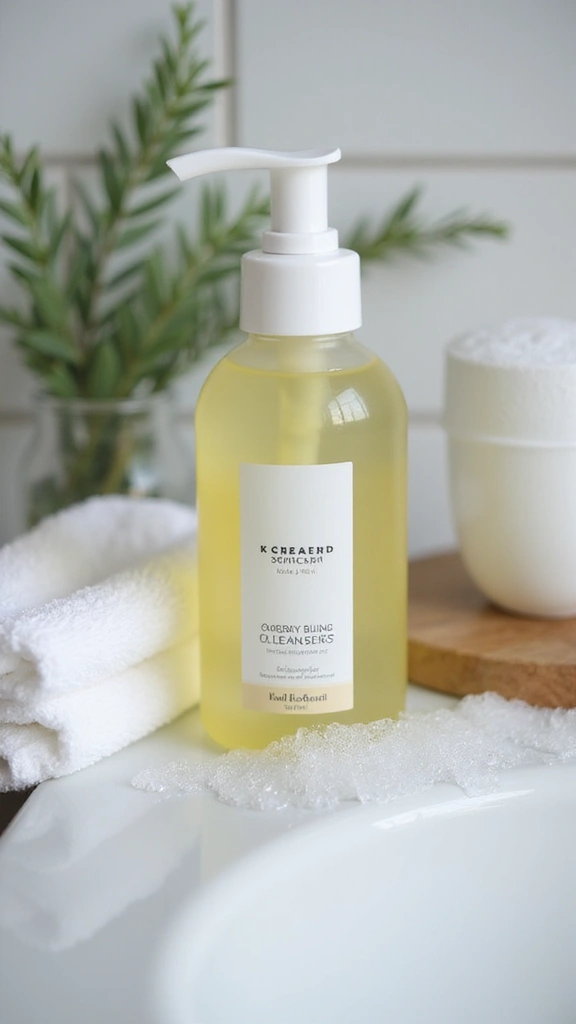
Cleansing is where everything starts. Your skin collects dirt, oil, and bacteria throughout the day. A gentle cleanser removes these without stripping your skin. Use lukewarm water, not hot. Hot water damages your skin barrier and causes irritation. Wet your face, apply a dime-sized amount of cleanser, and massage in circular motions for 30 seconds.
Focus on your T-zone where oil builds up most. Don’t scrub hard or use rough motions. Your skin is delicate. Rinse thoroughly with cool water to close your pores. Pat dry with a clean towel. Never rub. Do this twice daily, morning and night. A good cleanser removes makeup and sunscreen without leaving your skin tight or dry.
Celebrate Your Progress
Notice the small wins. Fewer breakouts. Smoother texture. Better skin tone. These changes matter. Take progress photos to track improvement over weeks and months. You’ll see differences you might miss day to day. Celebrate when you stick to your routine for a week, a month, or longer.
Your skin is a living organ that responds to care. You’re not just treating acne. You’re building healthy skin habits that last a lifetime. The confidence that comes with clear skin is real. You’ll feel better about yourself. You’ll worry less about how you look. This routine is an investment in your appearance and your self-esteem. Keep going. Your skin will continue to improve as you stay consistent.


Leave a Reply