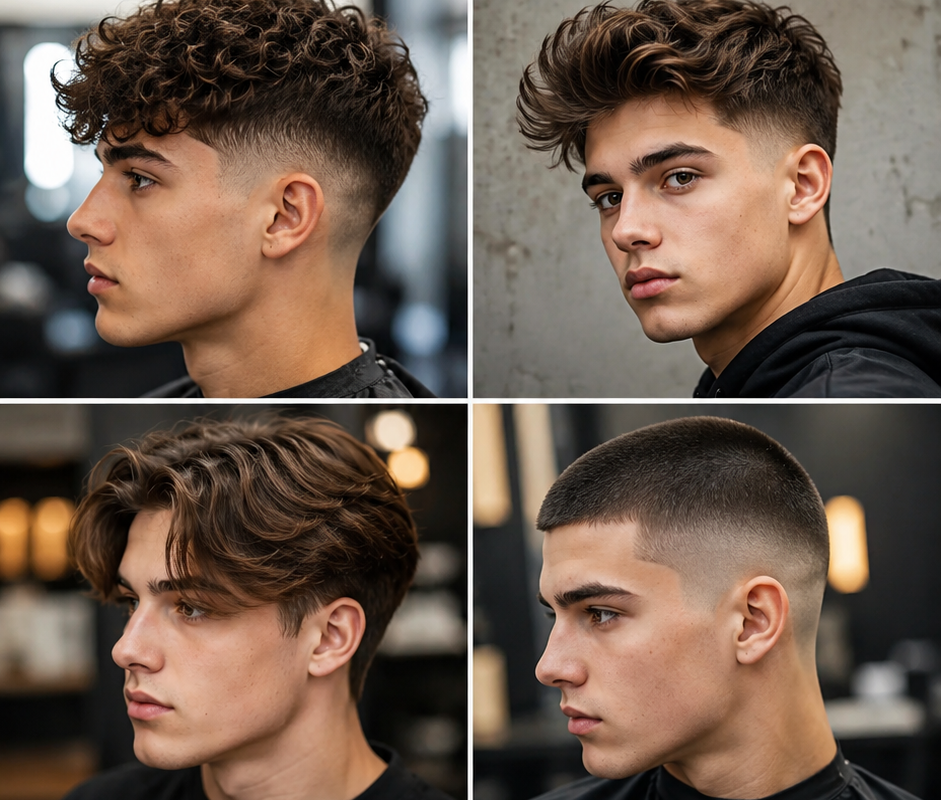
A great haircut can transform a teenager’s confidence and personal style. Whether your teen is looking for a low-maintenance cut, a trendy fade, or something bold and expressive, understanding the options available is the first step toward finding the perfect look. This comprehensive guide covers everything parents and teens need to know about modern teenage boy haircuts, from classic styles to contemporary trends.
1.Why Haircut Choice Matters for Teenagers
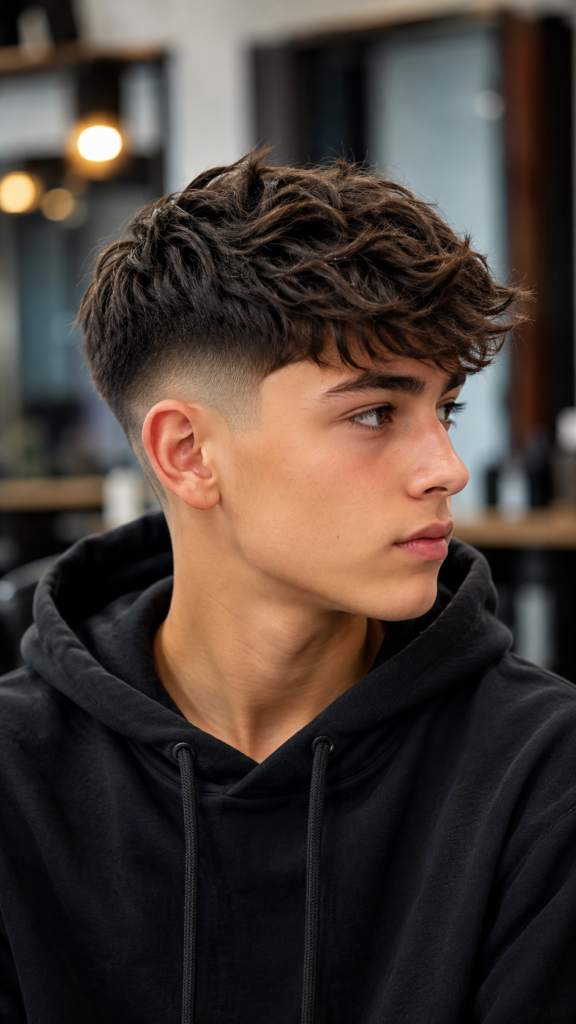
Haircuts go far beyond merely shaping your hair—they can significantly influence how you are perceived and how you perceive yourself. For teenage boys, the impact of a haircut is especially profound, as they are in a transitional period where personal expression and self-image are rapidly evolving. Choosing the right haircut can not only improve your appearance but also affect your confidence, social interactions, and even your overall mood.
2.Classic Teenage Boy Haircuts That Never Go Out of Style
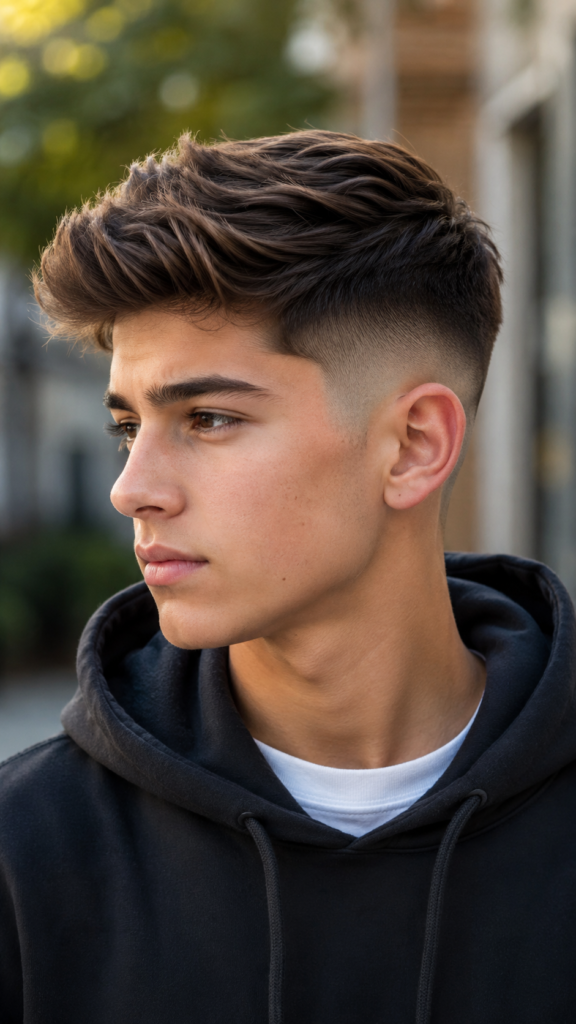
Some haircuts have remained popular for decades because they work across different face shapes, hair types, and personal styles. These classics form the foundation of most modern teenage haircuts and serve as excellent starting points for teens unsure about what direction to take.
The Crew Cut
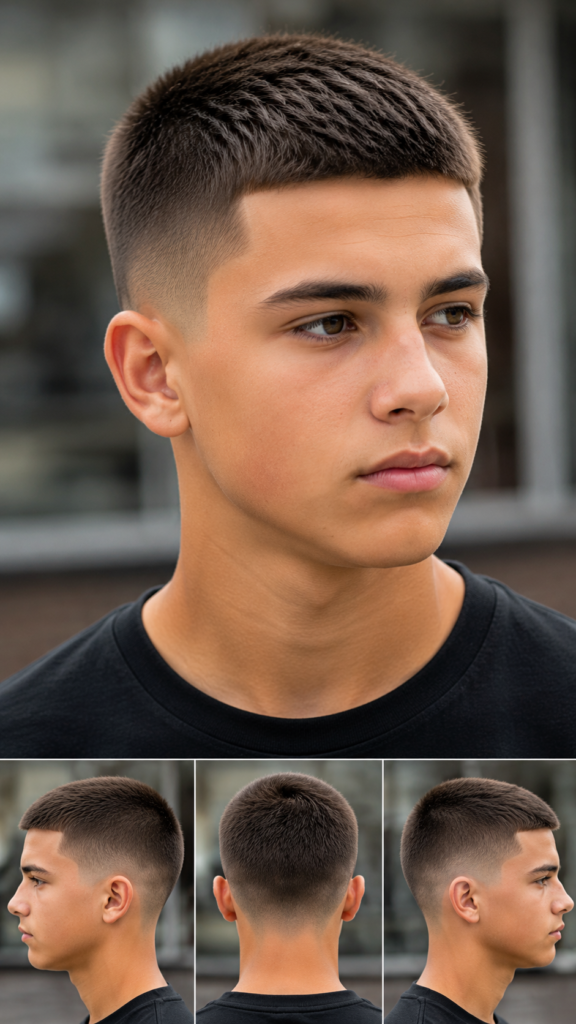
The crew cut is the ultimate low-maintenance option. This style features short hair on the sides and back (typically 1-2 inches) with slightly longer hair on top (2-3 inches). The crew cut works exceptionally well for teens with straight or wavy hair and requires minimal styling—just a quick wash and dry each morning.
The Textured Crop
The textured crop requires a bit more maintenance than a crew cut—a light styling product like a matte clay or texture paste helps achieve the desired look. However, it’s still relatively low-maintenance compared to longer styles. The cut typically needs trimming every 4-5 weeks to maintain its shape and texture definition.
3.Modern Fade Haircuts for Teenage Boys
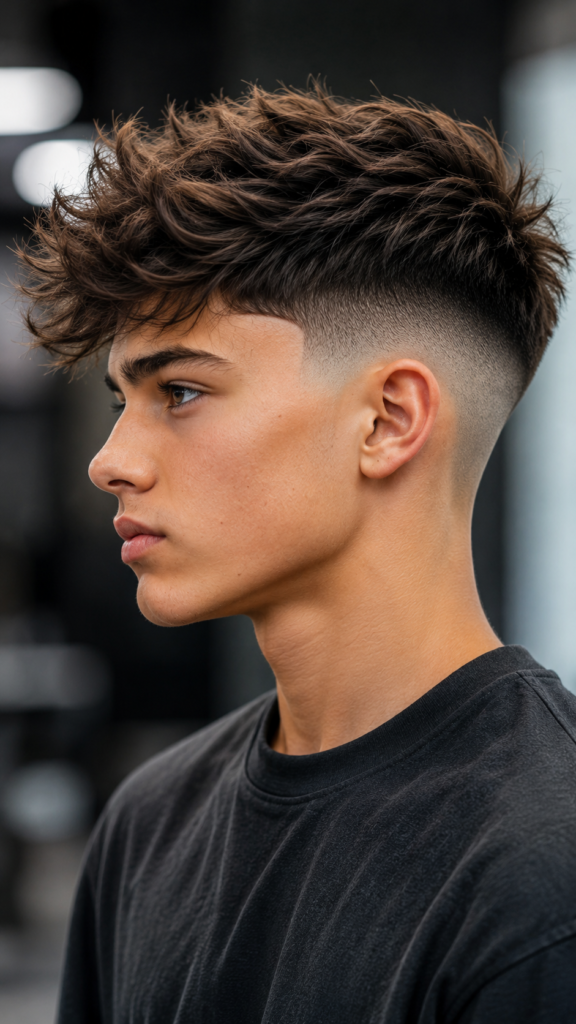
Fade haircuts have become increasingly popular among teenage boys over the past decade. A fade involves gradually shortening hair from longer on top to very short on the sides and back, creating a smooth transition. Understanding the different fade variations helps teens and parents choose the right option.
The Low Fade
A low fade starts the transition from longer to shorter hair about an inch above the ear. This subtle approach works well for teens who want a modern look without dramatic contrast. The low fade pairs beautifully with textured or longer hair on top, creating a sophisticated appearance suitable for various settings.
Low fades are particularly flattering for teens with round or square face shapes, as the gradual transition doesn’t emphasize facial width. The style requires regular maintenance—typically every 2-3 weeks—to keep the fade clean and defined. Styling products are optional; many teens wear low fades with minimal product for a natural look.
The Mid Fade
The mid fade creates more noticeable contrast, with the transition beginning around the middle of the ear. This option provides a more contemporary, fashion-forward appearance while remaining appropriate for school and professional settings. Mid fades work well with various hair lengths on top, from short textured crops to longer, styled hair.
This fade style has become particularly popular among teenage athletes and students who want a polished, put-together appearance. The mid fade complements both casual and formal outfits and photographs well, making it popular on social media. Maintenance requires trims every 2-3 weeks to keep the fade sharp and defined.
The High Fade
The high fade creates the most dramatic contrast, with very short hair on the sides and back and noticeably longer hair on top. This bold style makes a statement and works best for teens confident in their personal style. High fades pair well with textured, curly, or longer hair on top and allow for creative styling options.
High fades require more frequent maintenance—typically every 2 weeks—to keep the sides and back properly faded. They also usually require styling products to achieve the intended look. This option works best for teens with thicker hair and those willing to invest time in daily styling and regular barber visits.
4.Trendy Teenage Haircut Styles for 2024
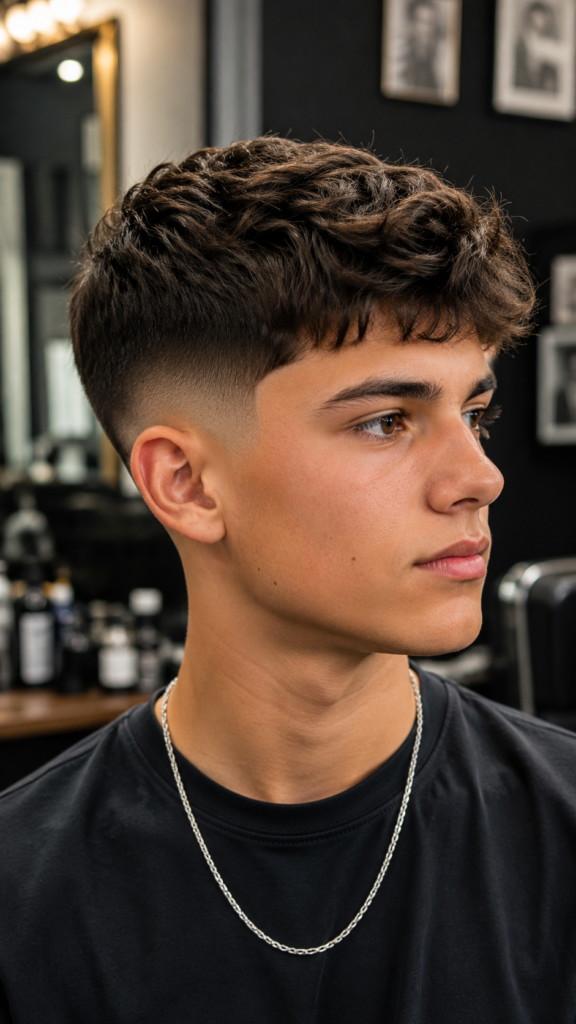
Fashion and style trends evolve constantly, and teenage boys often want to stay current with what’s popular among their peers. Several contemporary styles have gained significant traction and show no signs of disappearing soon.
The Undercut
The undercut features significantly longer hair on top with very short, closely cropped sides and back. This dramatic contrast creates a bold, fashion-forward appearance that appeals to creative teens. The undercut allows for substantial styling versatility—the longer top can be slicked back, styled to the side, or worn messy and textured.
This style requires commitment. The longer hair on top needs regular trims to maintain shape, and most teens style it daily with pomade, gel, or clay. The sides and back need trimming every 2-3 weeks to maintain the contrast. However, for teens who enjoy experimenting with their appearance and don’t mind daily styling, the undercut offers exciting possibilities.
The Messy Quiff
The messy quiff combines length and texture with a deliberately undone appearance. Hair is longer on top and sides, with subtle fading at the back. The styling emphasizes natural texture and movement rather than a polished, controlled look. This style appeals to creative teens who want something distinctive without extreme contrast.
The messy quiff works particularly well with naturally wavy or curly hair. Styling typically involves a light texture product that enhances natural movement without creating a slicked or overly groomed appearance. This cut requires trims every 4-5 weeks and minimal daily styling effort, making it practical for busy teens.
The Slicked-Back Pompadour
Inspired by vintage styles but modernized for contemporary teens, the slicked-back pompadour features voluminous hair on top swept back and away from the face. This sophisticated style works well for teens attending formal events or those who enjoy a more polished appearance. The sides are typically faded or kept shorter to emphasize the volume on top.
This style requires daily styling with pomade or gel and regular trims every 3-4 weeks. It works best with naturally thick hair and suits teens willing to invest time in grooming. The pompadour makes a confident statement and photographs exceptionally well, making it popular among teens active on social media.
5.Choosing the Right Haircut Based on Hair Type
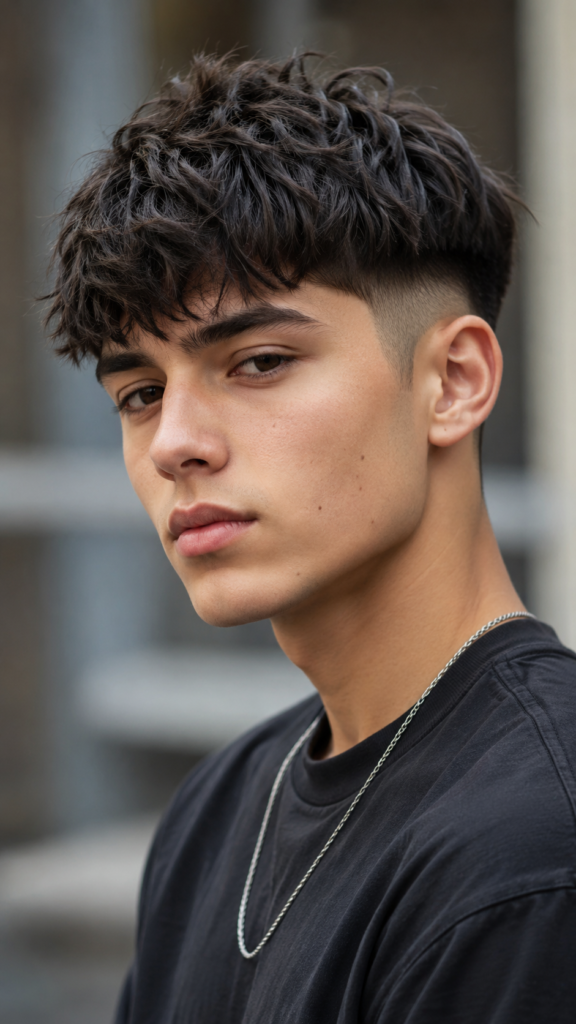
Hair texture and type significantly influence which haircuts will look best and be easiest to maintain. Understanding your teen’s hair characteristics helps narrow down the best options.
Straight Hair
Teens with straight hair have excellent versatility. Most haircuts work well with straight hair, from simple crew cuts to complex undercuts. Straight hair holds styling products effectively and maintains clean lines, making it ideal for fades and precise cuts. The main consideration is that straight hair can sometimes look flat without texture, so adding length on top or using texture-enhancing products can help create dimension.
Wavy Hair
Wavy hair offers natural texture that can be enhanced or minimized depending on the desired style. Textured crops, messy quiffs, and longer styles work beautifully with wavy hair. The natural movement in wavy hair reduces the need for styling products and creates an effortlessly stylish appearance. Fades work well with wavy hair, though the natural texture means the fade might appear slightly less sharp than with straight hair.
Curly Hair
Curly hair requires thoughtful cut selection. Shorter styles like crew cuts and low fades work well and minimize styling time. Longer styles can work but require more maintenance and product to manage curl definition. Many barbers recommend keeping curly hair shorter to enhance natural curl pattern and reduce frizz. Textured crops and messy styles complement curly hair beautifully and embrace the natural texture rather than fighting against it.
Thick Hair
Teens with thick hair can wear virtually any style successfully. Thick hair holds fades beautifully, supports voluminous styles like pompadours, and looks great with longer lengths. The main consideration is ensuring the barber understands how to thin and texture thick hair appropriately so it doesn’t appear bulky or unmanageable.
Fine or Thin Hair
Teens with fine or thin hair benefit from shorter styles that don’t emphasize lack of volume. Crew cuts, low fades, and textured crops work well. Longer styles can sometimes look thin or wispy. Adding texture through cutting technique rather than relying on length helps create the appearance of fuller hair. Styling products should be light to avoid weighing hair down.
6.Face Shape Considerations for Teenage Haircuts
Just as different styles suit different hair types, certain haircuts complement specific face shapes more effectively than others.
Round Face Shapes
Teens with round faces benefit from styles that create the illusion of length and definition. Longer hair on top, especially when styled upward or back, helps elongate the face. Fades work well because they add definition to the sides. Avoid styles that add width or emphasize roundness, like very short all-over cuts or styles with significant volume on the sides.
Square Face Shapes
Square faces have strong jawlines that many styles complement beautifully. Textured crops, fades, and undercuts all work well. The key is avoiding styles that emphasize the width of the jaw. Longer hair on top that’s styled back or to the side helps balance square features. Fades that taper gradually work better than very sharp, high fades.
Oval Face Shapes
Oval faces are considered the most versatile for haircuts. Teens with oval faces can wear virtually any style successfully. This flexibility means they can choose based purely on personal preference and lifestyle rather than worrying about face shape compatibility.
Oblong Face Shapes
Teens with longer, oblong faces benefit from styles that add width rather than length. Shorter styles with volume on the sides work well. Avoid very long hair on top or styles that emphasize vertical length. Textured crops with slightly fuller sides complement oblong faces nicely.
7.Maintenance and Care for Teenage Haircuts
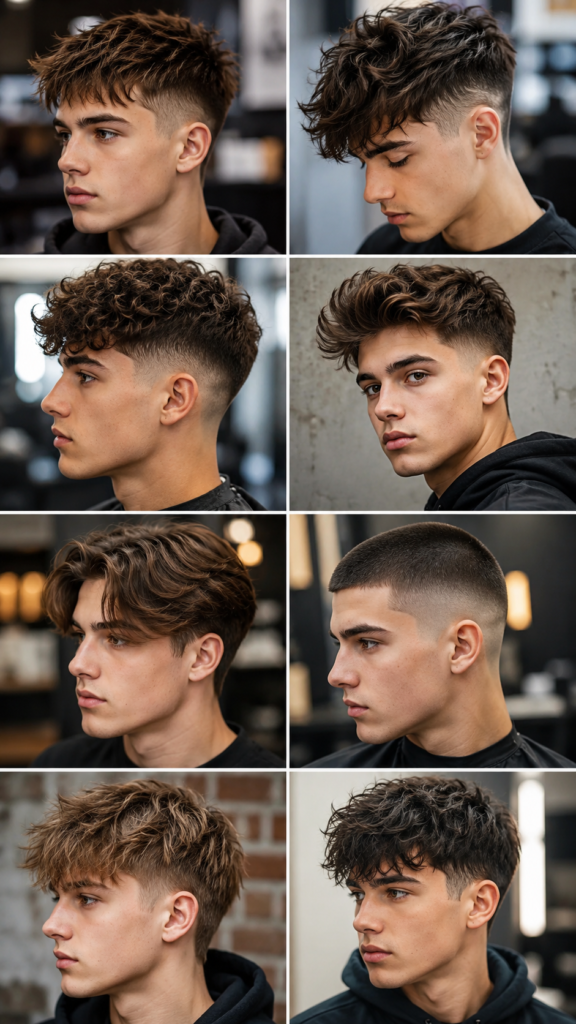
Understanding how to maintain a haircut properly helps it look great between barber visits and extends the time between trims. Different styles require different maintenance approaches.
Regular Trimming Schedule
Most teenage haircuts require trims every 3-6 weeks, depending on the style and how quickly hair grows. Crew cuts and fades need more frequent trims to maintain their shape. Longer styles can go longer between cuts. Establishing a regular trimming schedule helps maintain the intended look and prevents hair from becoming overgrown and shapeless.
Daily Styling and Products
Some styles require daily styling while others look good with minimal effort. Crew cuts and textured crops often need just a quick wash and dry. Undercuts, pompadours, and slicked-back styles typically require styling products and 5-10 minutes of daily styling time. Discussing styling expectations with your teen helps ensure they choose a cut they’re willing to maintain.
Washing and Hair Health
Proper hair washing maintains scalp health and keeps hair looking its best. Teens should wash hair 2-3 times weekly with quality shampoo and conditioner appropriate for their hair type. Over-washing can dry out hair, while under-washing can lead to buildup and scalp issues. Using lukewarm water rather than hot water helps prevent dryness.
8.Finding the Right Barber for Your Teen
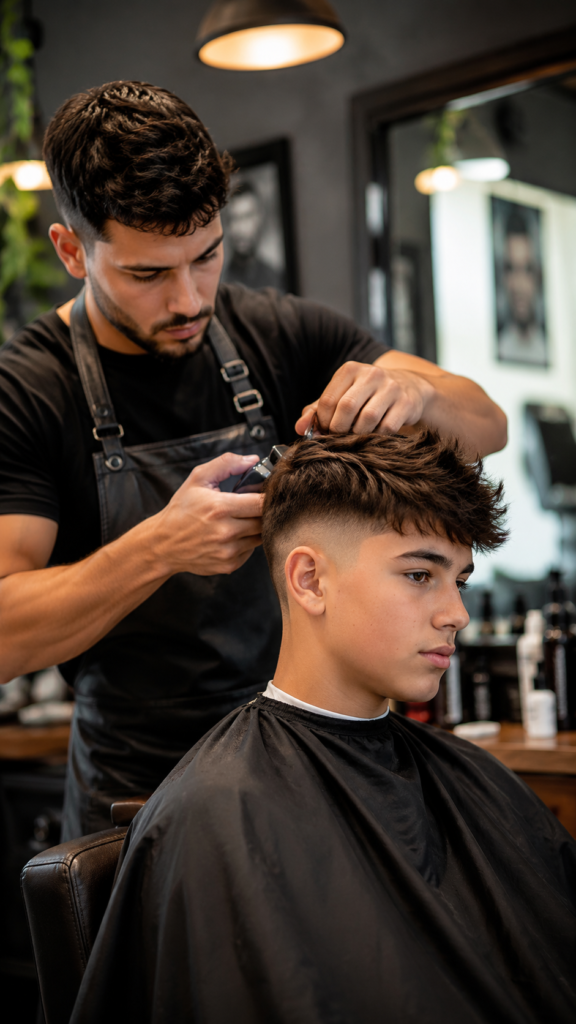
A skilled barber makes an enormous difference in haircut quality and satisfaction. Finding the right barber ensures your teen gets a cut that matches their vision and suits their hair type and face shape.
Look for barbers with experience working with teenagers and knowledge of current trends. Check online reviews and ask for recommendations from friends. Many barbers offer consultations where you can discuss your teen’s desired style before committing to a cut. Showing the barber reference photos helps ensure clear communication about the intended result.
Building a relationship with a consistent barber is valuable. Once a barber understands your teen’s hair, preferences, and face shape, they can offer personalized recommendations and execute cuts more precisely. Regular clients often receive better service and can discuss styling tips and product recommendations.




Leave a Reply