Rainy season brings moisture, unpredictable weather, and hair challenges. Women over 50 face unique concerns: thinner texture, color-treated strands, and scalp sensitivity. Humidity causes frizz, volume loss, and style collapse within hours. This guide offers practical, science-backed strategies to maintain beautiful hairstyles during wet months. You’ll learn about moisture barriers, product selection, styling techniques, and protective treatments designed for mature hair. These methods work with your hair’s natural characteristics rather than against them. Results appear within days. No expensive salon visits required. Whether you prefer short cuts, waves, or updos, solutions exist for every preference.
Understanding Hair Changes After 50 and Humidity’s Impact
Hair changes significantly after age 50. Estrogen levels drop, affecting hair density and moisture retention. Strands become finer, more fragile, and prone to breakage. Scalp oil production decreases, leaving hair drier overall. Gray hair has a different structure than pigmented hair, with a rougher cuticle layer that absorbs moisture unevenly. This creates the frizz problem you experience during rainy season.
Humidity works against mature hair in specific ways. Water molecules penetrate the hair shaft, causing it to swell. The cuticle layer lifts, creating frizz and loss of shine. For women over 50, this effect intensifies because the cuticle layer is already compromised from years of styling, coloring, and environmental exposure. Your hair’s natural protective oils cannot seal the cuticle effectively anymore.
Understanding this process helps you choose the right solutions. You are not fighting your hair’s nature. You are working with it by providing what it lacks: moisture balance, protective barriers, and structural support. Humidity levels above 60 percent trigger frizz in most hair types. During rainy season, humidity often reaches 80 to 100 percent. Your hair absorbs water until it reaches equilibrium with the air. This swelling causes visible frizz and loss of style definition.
The good news: targeted strategies work quickly. Within three to five days of using the right approach, you will see improvement. Your hair will feel smoother, look shinier, and hold styles longer.
Choosing the Right Haircut for Rainy Season
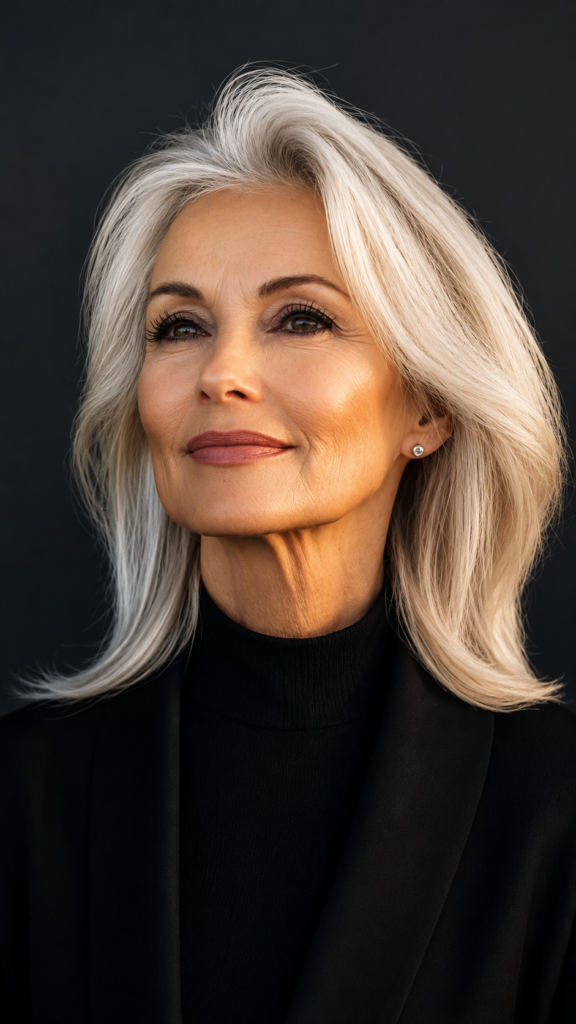
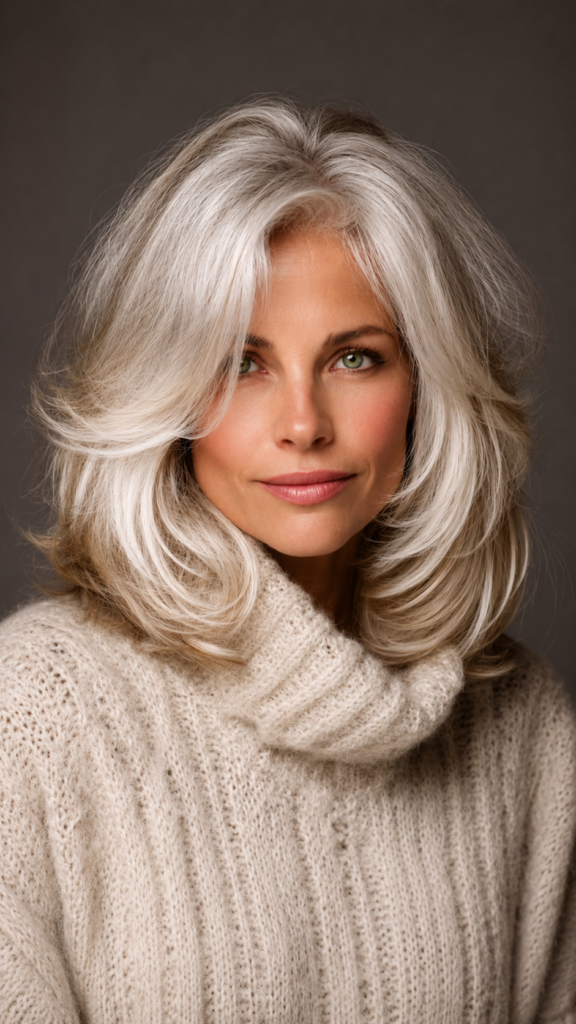
Your haircut determines how much frizz you battle daily. Layered cuts work best for women over 50 fighting humidity. Layers remove bulk while maintaining volume at the crown. They allow air to circulate through your hair, reducing the dense, wet appearance that comes with humidity. Ask your stylist for choppy layers rather than blunt layers. Choppy layers create texture that disguises frizz better than smooth, blunt cuts.
The length matters too. Cuts between chin length and shoulder length offer the sweet spot for mature hair. This length is short enough to dry quickly but long enough to style in multiple ways. You can wear it down, pull it back, or create waves without the hair looking thin or wispy.
Avoid very short pixie cuts if your hair is fine or thin. These cuts expose your scalp and emphasize any thinning. Instead, choose cuts with slightly longer layers on top that you can style upward for volume. Blunt bangs or side-swept bangs frame the face beautifully and hide frizz at the hairline. Longer bangs are easier to style and less prone to frizz.
Discuss texture with your stylist. If your hair is naturally wavy or curly, work with that texture rather than fighting it. A cut designed for your natural wave pattern will frizz less and style faster. Visit your stylist every six to eight weeks during rainy season. Regular trims remove damaged ends that frizz easily and maintain volume and shape.
Pre-Styling Moisture Barriers and Serums
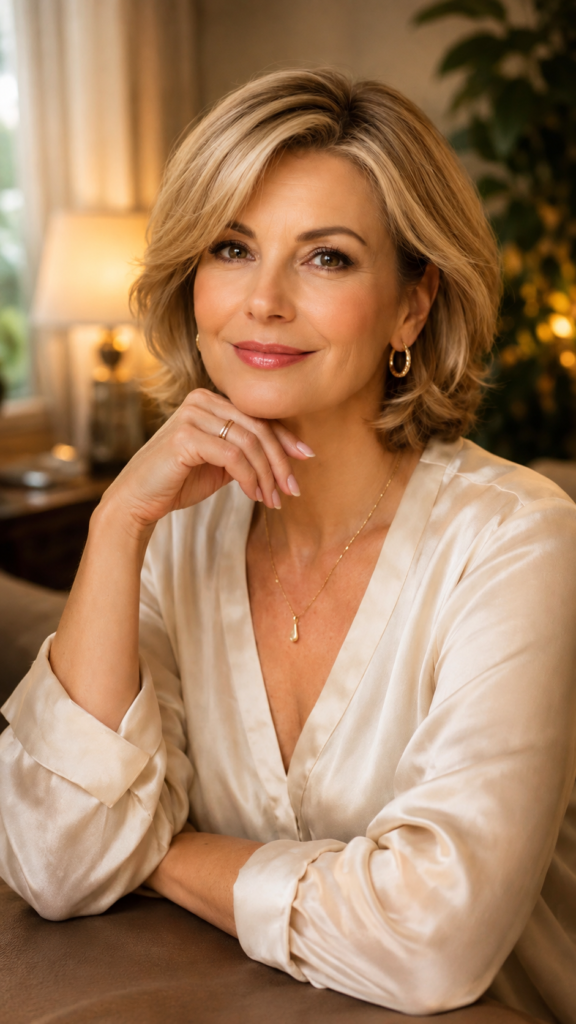
Moisture barriers are products that seal your hair cuticle before humidity can penetrate. These work like an invisible raincoat for your hair. Apply them to damp hair before blow drying. They create a protective layer that repels water while allowing your hair to retain its natural moisture.
Silicone-based serums are the most effective for rainy season. Silicone coats the hair shaft, filling in gaps in the cuticle layer. This smooths the surface and reflects light, creating shine. Silicone also reduces friction between hair strands, preventing tangles and breakage. For women over 50, silicone serums compensate for the natural oils your scalp no longer produces.
Apply serum to the mid-lengths and ends of your hair, never the roots. Start with a small amount, about the size of a pea. Rub it between your palms, then run your hands through your hair. Use a comb to distribute it evenly. Too much serum makes hair look greasy and weighed down.
Leave-in conditioners offer another barrier option. These are lighter than serums and work well for fine or thin hair. Leave-in conditioners contain humectants that attract moisture to your hair while also sealing the cuticle. They provide hydration without the heavy feel of traditional conditioners.
Argan oil and coconut oil are natural alternatives to silicone. These oils penetrate the hair shaft, providing deep moisture while also sealing the cuticle. Argan oil is lighter and works well for all hair types. Coconut oil is thicker and best for coarse or very dry hair. Apply these oils sparingly to avoid a greasy appearance.
Combination barriers work best for many women over 50. Use a silicone serum first, then a light leave-in conditioner. This two-step approach provides both cuticle sealing and moisture balance. Apply barriers while your hair is still damp, not soaking wet. Damp hair allows the products to distribute evenly.
Blow-Drying Techniques for Frizz Control
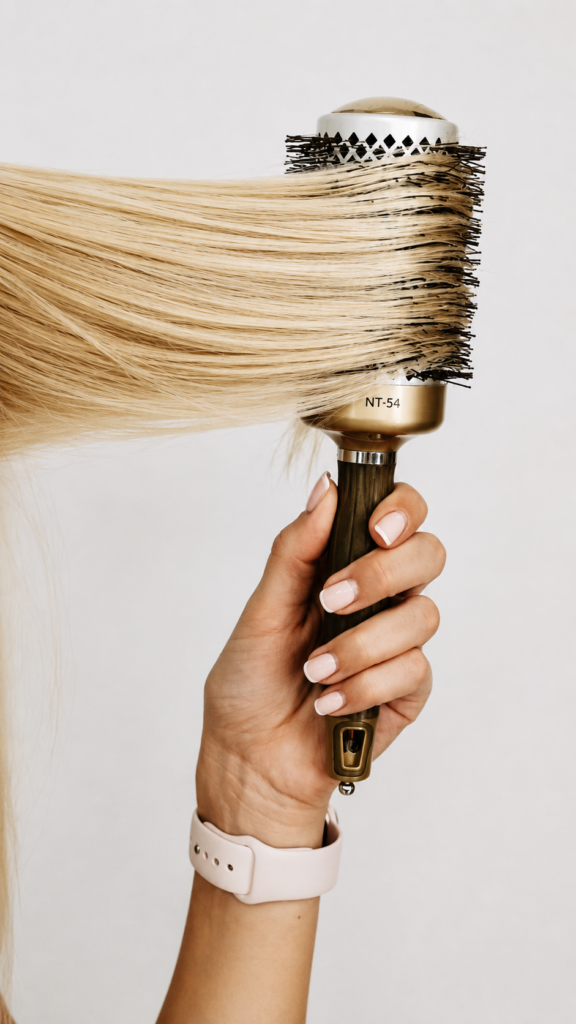
Blow-drying technique matters more than the tool itself. Proper technique seals your hair cuticle, reducing frizz significantly. Start by using a concentrator nozzle on your blow dryer. This attachment directs heat and air in one direction, smoothing the cuticle layer. Without it, heat scatters randomly, causing frizz.
Always blow dry from root to tip, never tip to root. This direction smooths the cuticle layer downward. Blow drying tip to root lifts the cuticle, creating frizz. Use medium heat and medium speed. High heat damages mature hair and increases frizz by opening the cuticle. Low heat takes too long and leaves hair damp, which humidity will frizz.
Section your hair for better control. Clip the top section up, then dry the bottom layers first. This ensures every section gets proper attention. Use your fingers or a round brush to guide the hair as you dry. A round brush adds volume at the roots while smoothing the lengths.
Finish with cool air. After your hair is dry, switch to cool air and run the dryer over your entire head. Cool air seals the cuticle completely, locking in moisture and creating shine. This final step is crucial for frizz control. Spend at least one minute on cool air finishing.
For women with fine or thin hair, use a paddle brush instead of a round brush. Paddle brushes distribute your hair more evenly and create less tension on delicate strands. They also smooth the cuticle effectively without adding unnecessary volume that can look wispy.
Blow dry your hair completely before leaving home. Partially dry hair will frizz as soon as you encounter humidity. Fully dry hair with sealed cuticles resists humidity much better.
Styling Products Specifically for Mature Hair
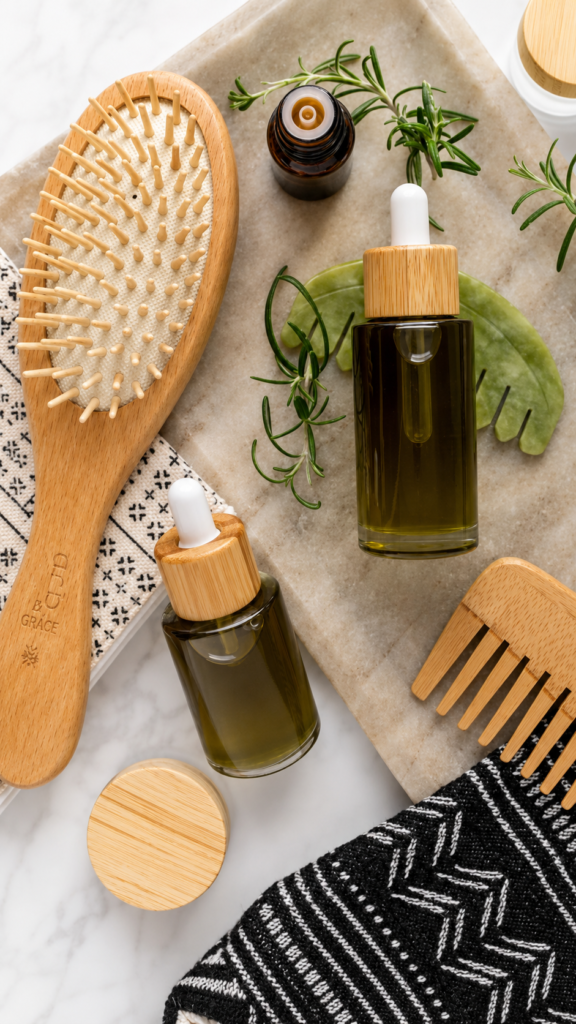
Product selection makes the difference between frizzy hair and smooth, styled hair. Many products marketed for frizz control are too heavy for women over 50. They weigh down fine or thin hair, making it look flat and lifeless. Instead, choose lightweight products designed for mature hair.
Styling creams are excellent for rainy season. These are lighter than gels or pomades but provide more hold than serums. Styling creams contain both moisture and hold agents. They smooth frizz while keeping your hair looking natural and touchable. Apply a small amount to damp hair before blow drying, or to dry hair for touch-ups.
Volumizing sprays add body without weight. These sprays contain polymers that coat each hair strand, making it thicker. They also provide light hold and frizz control. Spray volumizer at the roots for maximum effect. Use it on dry hair, after blow drying.
Anti-frizz sprays are essential for rainy season. These sprays create a protective barrier on your hair surface. They work best on dry hair as a finishing product. Spray lightly over your entire head, focusing on areas prone to frizz like the crown and hairline. Reapply as needed throughout the day.
Lightweight hairsprays hold your style without flaking or feeling stiff. Look for sprays labeled as flexible hold or light hold. Strong hold sprays often contain heavy resins that build up on mature hair and cause breakage. Dry shampoo serves double duty during rainy season. It absorbs excess moisture and oil, reducing frizz. It also adds texture and grip, helping your style last longer.
Avoid products with alcohol as a main ingredient. Alcohol dries out mature hair and increases frizz. Check ingredient lists and choose products with alcohol listed near the end, not the beginning.
Deep Conditioning Treatments for Rainy Season Prep
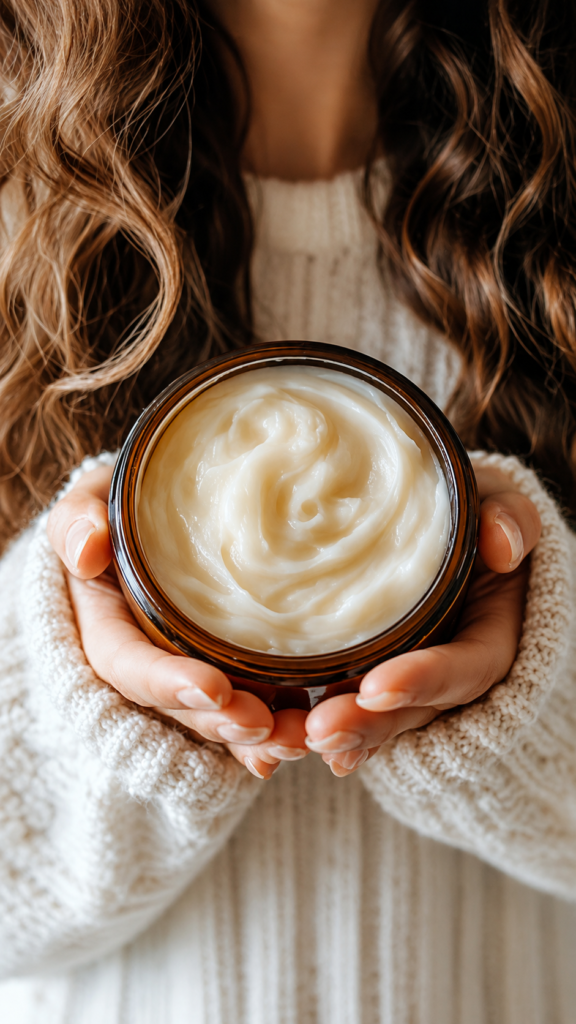
Deep conditioning once or twice weekly prepares your hair for humidity. These treatments restore moisture that rainy season strips away. They also repair damage from heat styling and environmental exposure. For women over 50, deep conditioning is essential maintenance.
Choose deep conditioners formulated for mature or damaged hair. These contain higher concentrations of moisturizing ingredients and proteins. Proteins strengthen your hair structure, reducing breakage and frizz. Moisturizers plump the hair shaft, creating smoothness and shine.
Apply deep conditioner to damp hair, focusing on mid-lengths and ends. Avoid the roots unless your scalp is very dry. Leave the treatment on for at least 10 minutes. For intensive repair, leave it on for 20 to 30 minutes or even overnight. Longer contact time allows deeper penetration.
Heat accelerates the conditioning process. Wrap your head in a warm towel or use a shower cap while the treatment sits. The warmth opens the cuticle, allowing the conditioner to penetrate deeper. You can also sit in a warm bathroom while the treatment works.
Rinse thoroughly with cool water. Cool water seals the cuticle after conditioning, locking in moisture. Warm or hot water rinses leave the cuticle open, allowing moisture to escape. This final cool rinse is crucial for frizz control.
Protein treatments are especially helpful during rainy season. Proteins fill in gaps in the hair structure, creating a smoother surface that resists frizz. Use protein treatments once weekly if your hair is damaged or color treated. Use them every two weeks if your hair is in good condition.
Styling Options That Last Through Humidity
Your styling choices determine how long your hair looks good during rainy season. Loose waves and curls hold better than straight styles in humidity. The texture disguises frizz and maintains style definition longer. Updos keep hair off your face and neck, reducing frizz in those areas.
Loose waves are the most forgiving style for rainy season. They look intentional even if some frizz develops. Create waves using a large barrel curling iron or a waving iron. Curl sections away from your face, then let the curls cool completely before brushing them out. Cooling sets the wave pattern. Brush gently to create soft waves rather than tight curls.
Half-up styles combine the best of both worlds. The top section is pulled back and secured, keeping hair off your face. The bottom section flows down, creating movement and texture. This style looks polished while being practical for humid weather. Use a decorative clip or hair tie to secure the top section.
Low buns and ponytails keep hair contained and protected. These styles work well for active days or when you will be outside in rain. Secure your hair with a soft elastic or silk scrunchie to prevent breakage. Smooth the hair back with a light styling cream before securing. This creates a sleek, finished look.
Braids are excellent for rainy season. They contain frizz naturally and look intentional even if some strands escape. French braids, Dutch braids, and fishtail braids all work well. Braid slightly loose rather than tight to avoid tension on delicate mature hair.