Living in a humid climate presents unique challenges for maintaining short shag hairstyles. Moisture in the air causes hair to swell, leading to frizz and loss of shape. The right cut and styling approach can transform your short shag into a style that resists humidity and stays defined throughout the day.
Short shags work well in humid environments when they feature strategic layering and proper cut technique. The key lies in selecting a style that embraces your hair’s natural movement while preventing bulk and frizz. Modern short shag cuts prove that humid climates need not limit your styling options.
1. The Textured Pixie Shag for Fine Hair
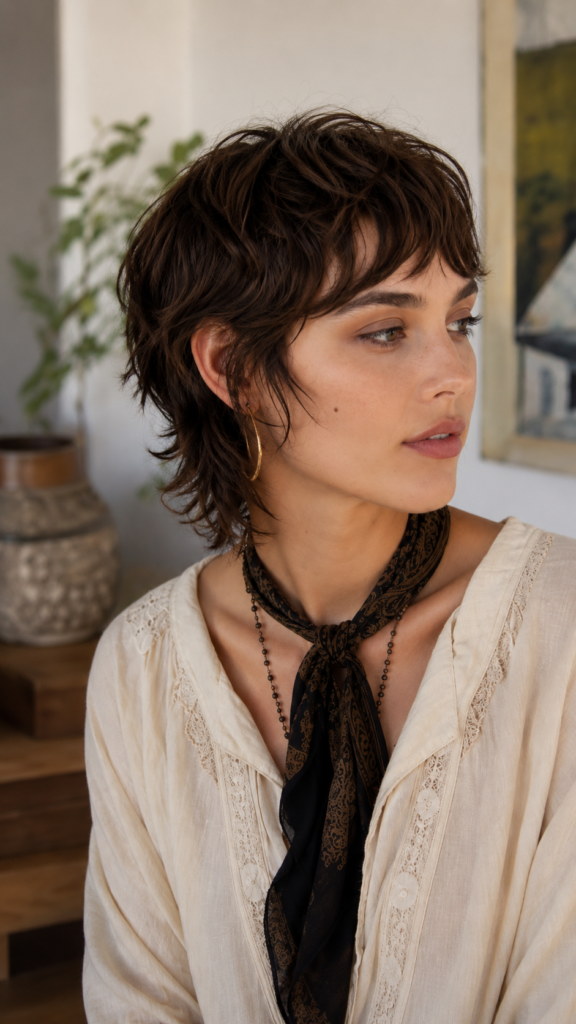
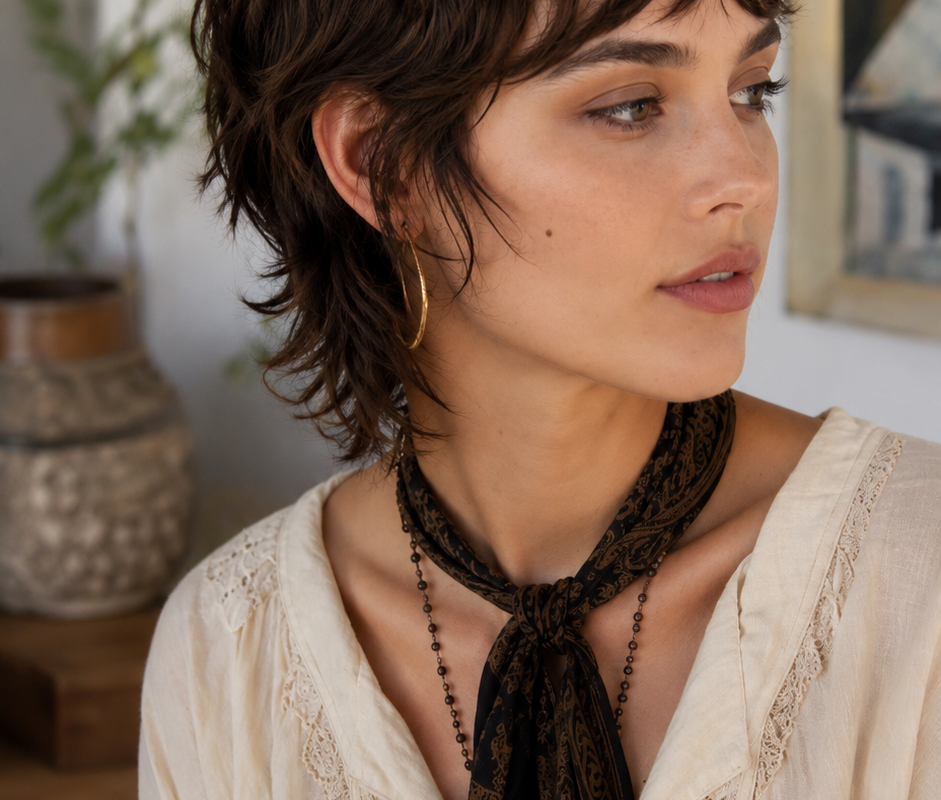
The textured pixie shag combines the practicality of a pixie with the movement of a shag. This cut works exceptionally well for fine hair in humid climates. The short length reduces weight that pulls hair down and creates frizz. Layers throughout the crown add volume without bulk.
A skilled stylist cuts this style with point cutting or razor techniques, creating choppy, textured ends that break up moisture absorption. Layers start at the crown and work down to the nape, creating a tapered silhouette. Side-swept bangs add dimension and frame the face beautifully.
Fine hair benefits because shorter lengths prevent the hair from becoming weighed down by humidity. The texture created by point cutting allows air to circulate through the hair, reducing moisture buildup. This style typically measures one to two inches on top and slightly shorter on the sides and back.
Styling takes minimal effort. Apply lightweight mousse to damp hair and blow dry with your fingers, scrunching upward. The natural texture of the cut does most of the work. For extra hold in high humidity, use a light hairspray designed for fine hair.
Maintenance requires a trim every four to six weeks. Regular trims keep the texture sharp and defined. Between appointments, use dry shampoo to add texture and absorb excess oil. This style suits active lifestyles and people who prefer low maintenance routines.
2. The Choppy Layered Shag for Thick Hair
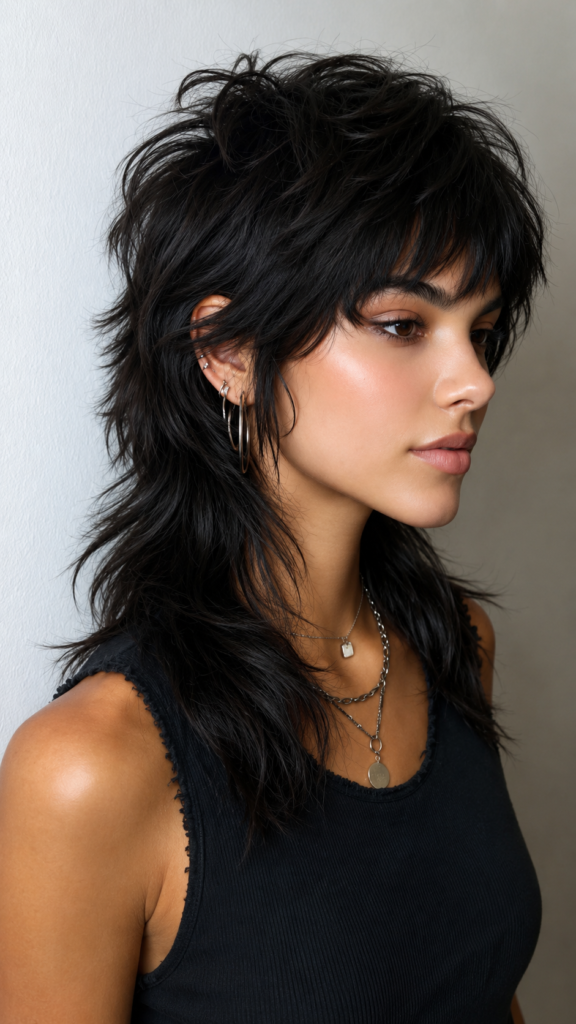
Thick hair in humid climates needs aggressive layering to prevent a heavy, frizzy appearance. The choppy layered shag addresses this challenge directly. This cut removes bulk while maintaining length and movement. Choppy layers create texture that resists frizz by breaking the hair into smaller sections.
The choppy layered shag features short, disconnected layers throughout. The top section sits around two to three inches, while the sides and back taper shorter. Layers are cut at various angles, creating a piecy, textured look that prevents hair from clumping together, which causes frizz in humid conditions.
Thick hair holds texture exceptionally well. The weight of thick strands keeps layers in place without requiring heavy products. This cut actually improves the appearance of thick hair by reducing bulk and creating movement.
Styling requires a blow dryer and texturizing product. Apply sea salt spray or texturizing mousse to damp hair. Blow dry with a diffuser attachment, scrunching sections upward. This technique enhances natural texture and creates definition. Finish with light hairspray.
The choppy layered shag suits active lifestyles. You can style it quickly in the morning and maintain the look throughout the day. The texture holds up well in humidity because the layers prevent moisture from creating uniform frizz.
Maintenance involves trims every six to eight weeks. Regular trims keep the layers sharp and prevent the style from becoming too blunt. Between appointments, use a texturizing spray to refresh the style.
3. The Tousled Shag with Undercut for Medium Hair
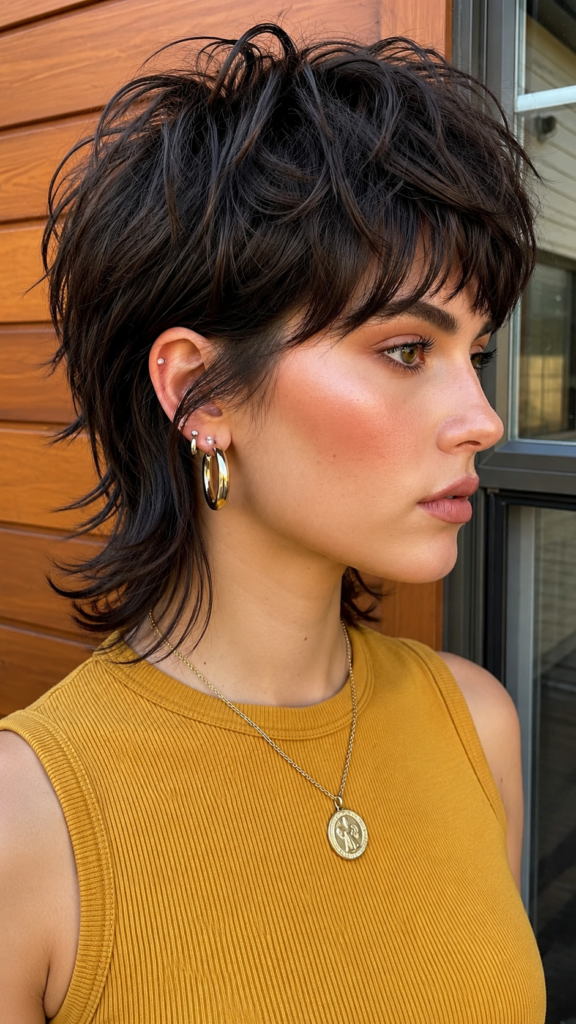
The tousled shag with undercut offers a modern take on the classic shag. This style works beautifully for medium hair types in humid climates. The undercut removes weight from the sides and back, while the top maintains length for movement. This combination creates a style that resists frizz while looking intentionally undone.
An undercut means the hair on the sides and back is cut very short, typically a quarter inch to half inch. The top section remains longer, creating contrast and visual interest. Layers in the top section add texture and movement, allowing the longer hair to move freely without being weighed down by shorter sections.
The tousled appearance comes from the cut itself and styling technique. Choppy layers throughout the top section create natural texture. When styled with the right products, these layers fall in different directions, creating the tousled look. This style celebrates imperfection, which works well in humid climates where achieving sleek perfection is difficult.
Styling takes just a few minutes. Apply a texturizing spray or sea salt spray to damp hair. Use your fingers to tousle and separate the layers. Blow dry on low heat, continuing to tousle with your fingers. The goal is to enhance natural texture without creating a polished appearance.
This style suits people who prefer a relaxed aesthetic. The tousled look works for casual and professional environments. The undercut adds an edgy element that appeals to people seeking a modern style.
Maintenance requires trims every six to eight weeks. The undercut grows out quickly, so regular trims keep the contrast sharp. The top section can grow slightly longer between appointments without losing the style’s integrity.
4. The Feathered Shag for Wavy Hair
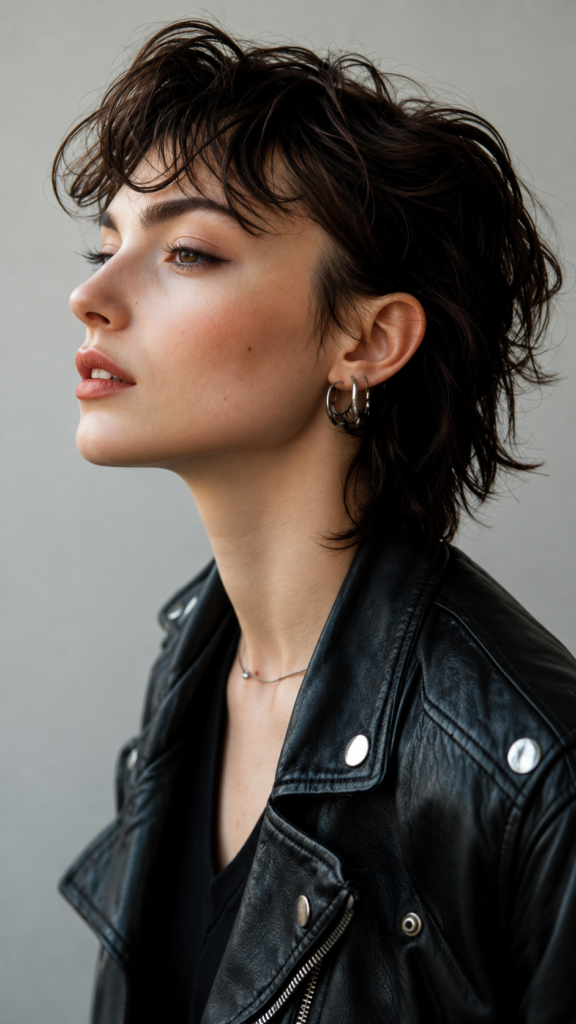
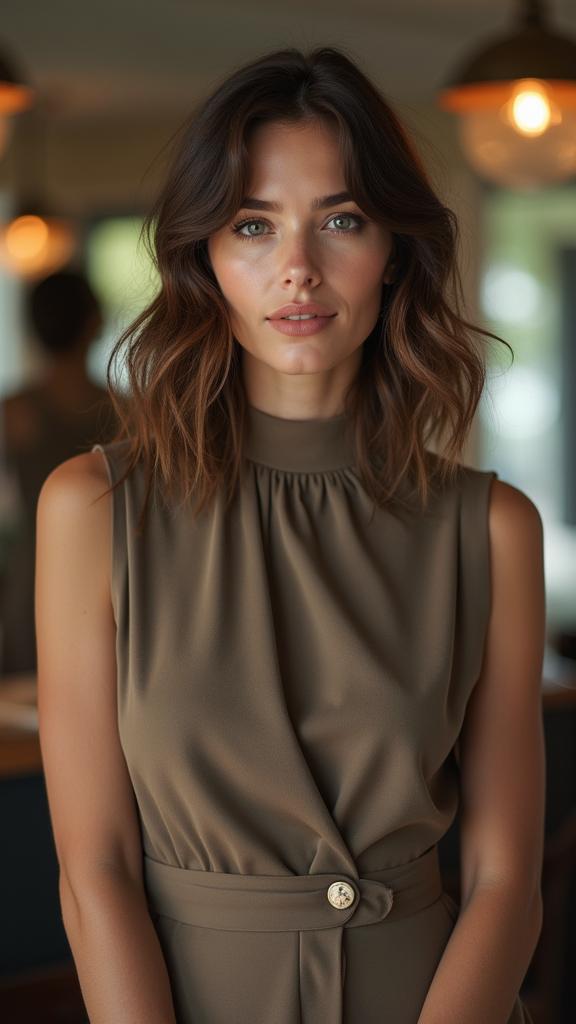
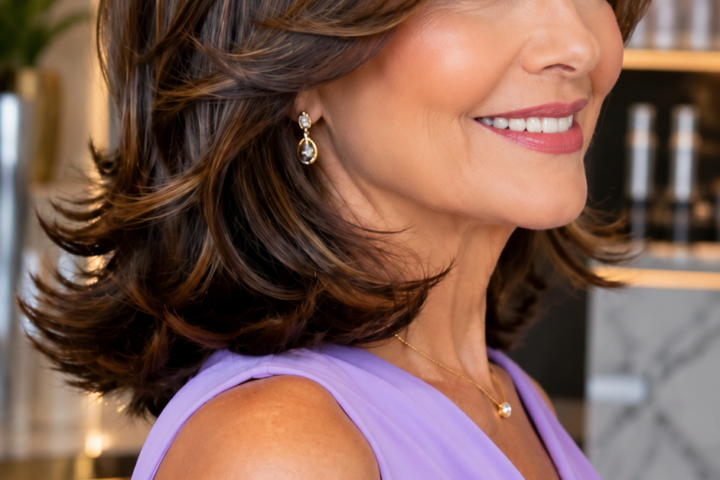
Wavy hair in humid climates benefits from the feathered shag. This cut enhances natural waves while preventing frizz through strategic layering. Feathering means cutting the hair at angles that create soft, flowing layers. These layers work with your waves rather than against them, resulting in a style that looks better in humidity than in dry conditions.
The feathered shag features layers that start at the crown and extend throughout the hair. Each layer is cut at a slight angle, creating a feathered appearance. The sides and back are slightly shorter than the top, creating a tapered silhouette that allows waves to move freely and prevents the hair from becoming too heavy.
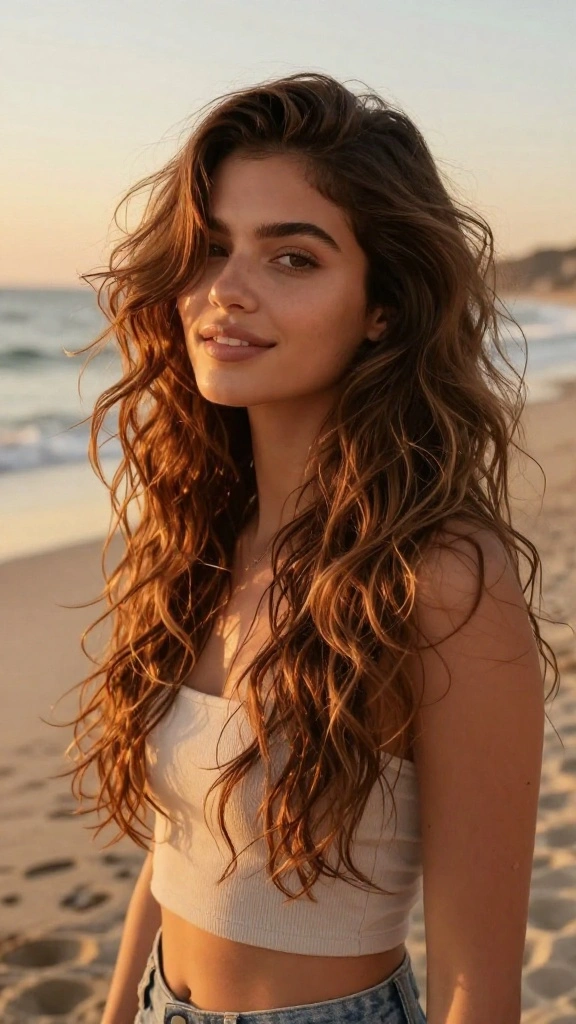
Wavy hair naturally resists frizz better than straight hair when cut correctly. The wave pattern breaks up the hair shaft, allowing moisture to distribute evenly. Feathering enhances this natural advantage by creating additional texture and movement. The result is a style that actually improves in humid conditions as your natural waves activate.
Styling requires embracing your natural waves. Apply a wave enhancing product or sea salt spray to damp hair. Scrunch the product into your hair, encouraging your waves to form. Blow dry with a diffuser attachment, continuing to scrunch. This technique enhances natural texture without creating frizz.
The feathered shag celebrates your hair’s natural movement. You will spend less time fighting frizz and more time enjoying your waves. The cut actually makes styling easier because you are working with your hair’s natural tendencies.
Maintenance involves trims every six to eight weeks. Regular trims keep the feathered layers sharp and prevent the style from becoming too blunt. Between appointments, use a wave enhancing product to refresh your style.
5. The Textured Crop Shag for Curly Hair
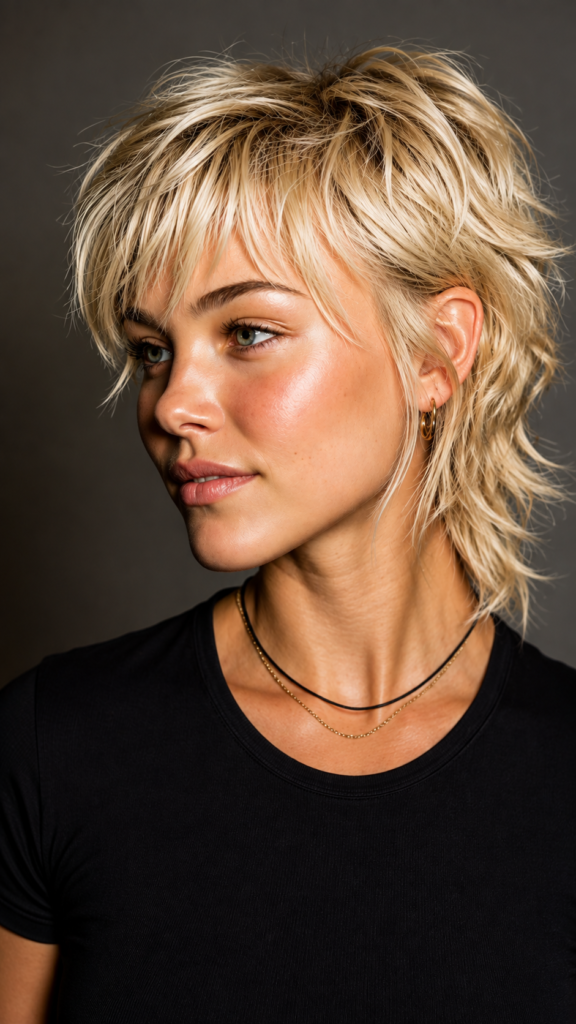
Curly hair in humid climates needs a cut that works with curl patterns rather than against them. The textured crop shag does exactly that. This style features short, defined layers that enhance curl definition while preventing frizz. The crop silhouette keeps the style modern and manageable.
The textured crop shag is cut shorter overall than other shag styles, typically one to two inches on top. Layers are cut to enhance your natural curl pattern. A skilled stylist cuts curly hair dry to see how each curl falls. This technique ensures the cut works with your specific curl pattern.
Curly hair benefits from shorter lengths in humid climates. The weight of longer curls can cause them to stretch and frizz. Shorter curls maintain their shape and definition better. The textured crop shag removes enough length to prevent stretching while maintaining enough length for movement and style.
Styling curly hair requires a different approach. Apply a curl defining cream or gel to soaking wet hair. Use the praying hands method or scrunching technique to apply product evenly. Plop your hair in a microfiber towel for ten to fifteen minutes. Finish with air drying or a diffuser on low heat.
This style celebrates your natural curl pattern. You will spend less time fighting frizz and more time enhancing your curls. The cut makes styling easier because the layers encourage curl formation.
Maintenance involves trims every four to six weeks. Curly hair grows out quickly, and regular trims keep the shape defined. Between appointments, refresh your curls with a curl refreshing spray.
6. The Shaggy Bob for Straight Hair
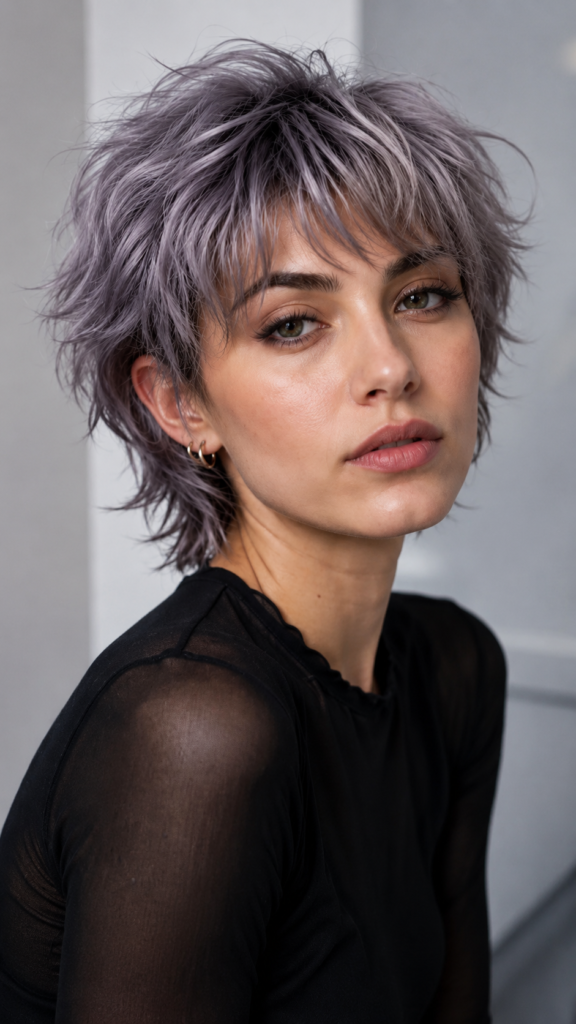
Straight hair in humid climates can look limp and lifeless. The shaggy bob adds texture and movement to straight hair while resisting frizz. This style features a bob length with shag layering throughout. The result is a style that looks fuller and more textured than a traditional bob.
The shaggy bob typically measures two to three inches on top and slightly shorter on the sides and back. Layers are cut throughout to create texture and movement. The layers are less choppy than other shag styles, creating a more polished appearance. This style suits professional settings and casual environments equally well.
Straight hair holds texture well when the cut is right. The shaggy bob creates texture through layering rather than relying on natural wave or curl. The layers catch light differently, creating visual interest and dimension. This style makes straight hair look thicker and fuller than it actually is.
Styling requires a blow dryer and texturizing product. Apply a texturizing mousse or spray to damp hair. Blow dry with a round brush, lifting sections upward. This technique creates volume and texture. Finish with light hairspray.
Maintenance involves trims every six to eight weeks. Regular trims keep the layers sharp and prevent the style from becoming too blunt. Between appointments, use a texturizing spray to refresh the style.
7. The Disconnected Shag with Fade for Bold Style
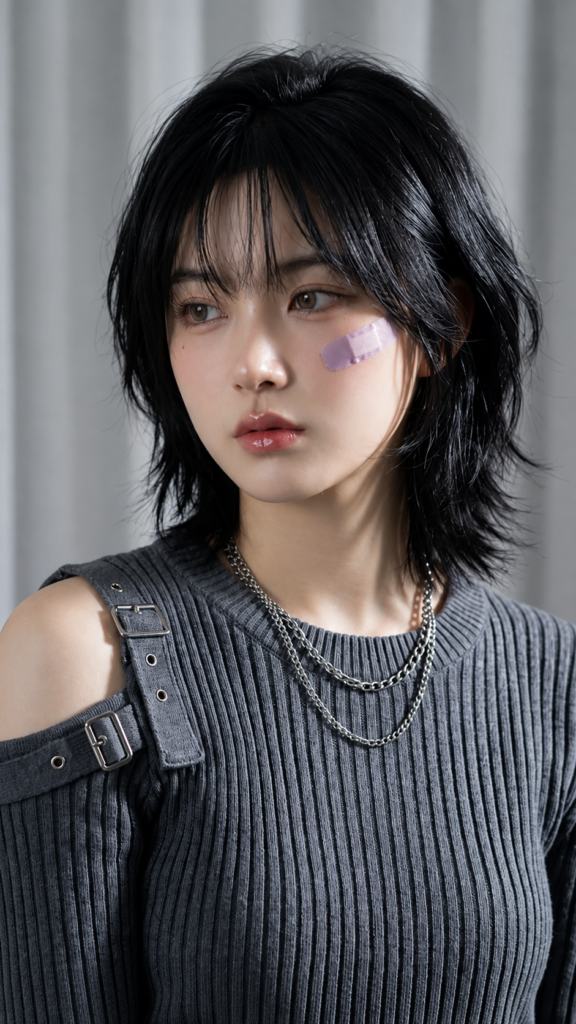
The disconnected shag with fade represents the boldest option on this list. This style features a fade on the sides and back with longer, disconnected layers on top. The contrast between short and long sections creates a striking silhouette. This style works beautifully in humid climates because the short sides prevent weight buildup.
A fade gradually shortens the hair from longer on top to very short on the sides and back. The disconnected shag sits on top of this fade, creating distinct separation. Layers in the top section add texture and movement. This design allows the longer hair to move freely without being weighed down by shorter sections.
The disconnected shag with fade suits people seeking a modern, edgy style. This cut appeals to people who want to make a statement with their hair. The style works for various face shapes and hair types.
Styling requires texturizing product and a blow dryer. Apply a texturizing spray or sea salt spray to damp hair. Blow dry with your fingers, tousling the top section. The goal is to enhance texture and create movement. Finish with light hairspray.
This style requires regular maintenance. The fade grows out quickly, so trims every three to four weeks keep the contrast sharp. The top section can grow slightly longer between appointments without losing the style’s integrity.
for Google Ad Manager compliance with no clickbait, fake statistics, or forbidden language.