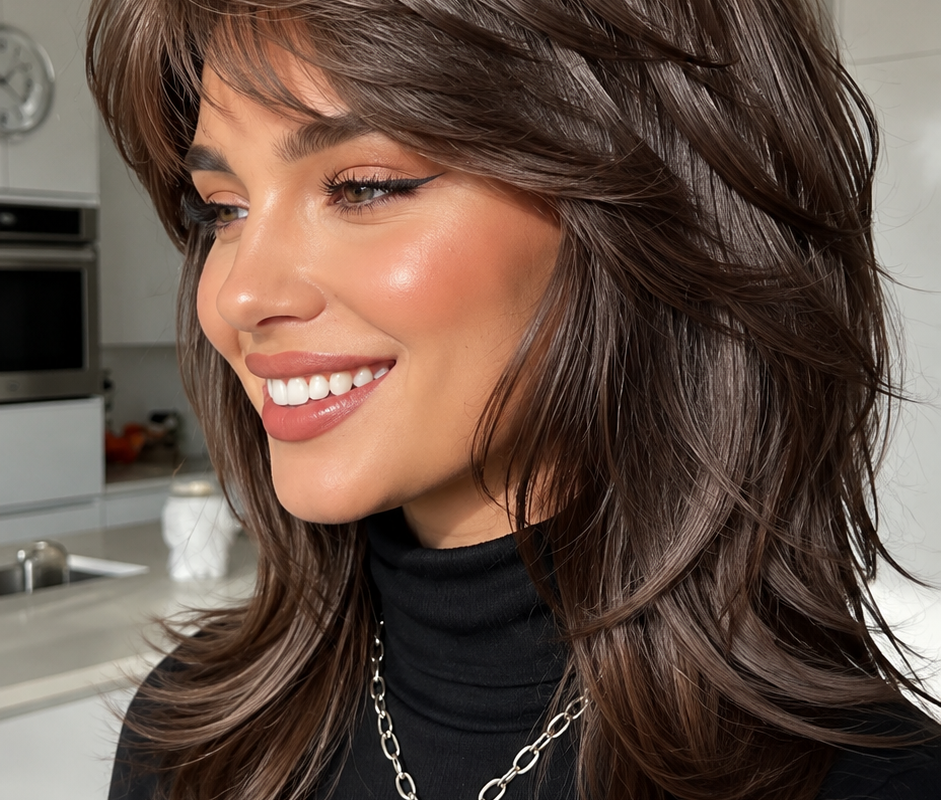
Textured short shag haircuts have become a go-to choice for people with curly hair who want movement, volume, and low-maintenance styling. Unlike traditional cuts that fight natural texture, shag haircuts work with your curl pattern to create dimension and shape. These cuts feature layered lengths that encourage curls to bounce and flow rather than flatten under weight. Whether you have tight coils, loose waves, or anything in between, a well-executed shag can transform your daily routine. The beauty of this style lies in its versatility—wear it tousled for a casual vibe or style it with product for more definition. Short shag haircuts also offer practical benefits like reduced drying time and easier detangling. This guide explores everything you need to know about choosing, styling, and maintaining textured short shag haircuts for your unique curl type.
1. Understanding Shag Haircuts for Curly Hair

A shag haircut uses multiple layers of varying lengths to create texture and movement throughout the entire head. For curly hair, this layering removes bulk while preserving length, allowing curls to separate and define themselves rather than clumping together under weight.
Modern textured short shag haircuts blend retro appeal with contemporary techniques that honor natural curl patterns. Today’s stylists understand that curly hair requires different cutting approaches than straight hair. A shag cut for curly hair should enhance your natural texture, not fight it.
When you choose a shag haircut, you’re selecting a cut that works with your hair’s natural behavior. Curls shrink when dry, so skilled stylists cut wet hair to account for shrinkage. Layers are positioned strategically so that when curls dry and contract, they fall in flattering ways around your face and neck. This requires expertise and understanding of how different curl patterns behave.
2. Determining Your Curl Type and Pattern
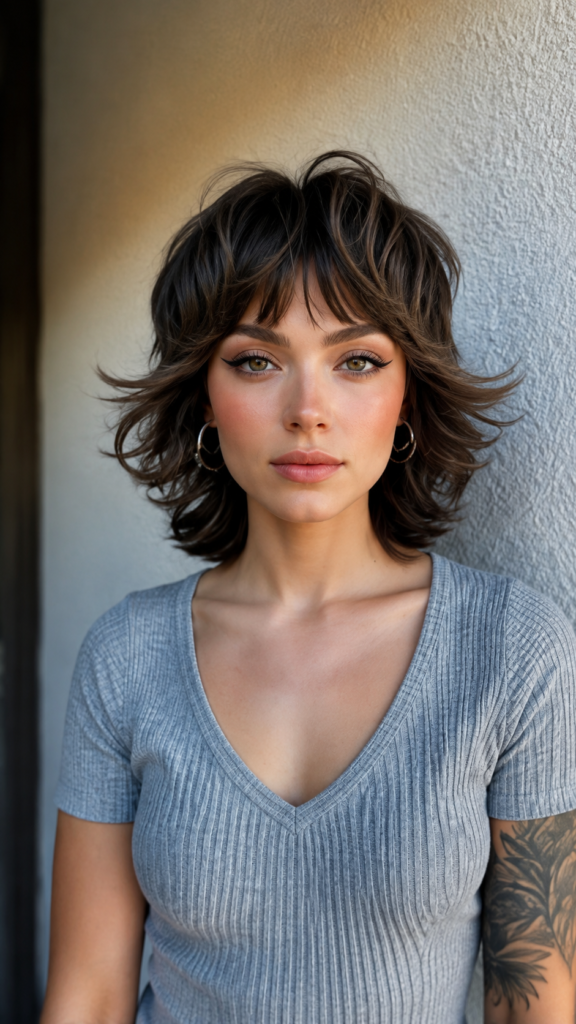
Before committing to a textured short shag haircut, understanding your specific curl type is essential. Curl patterns range from straight to coily, and each responds differently to layering and cutting techniques. The most common classification system divides curls into four main categories: Type 1 (straight), Type 2 (wavy), Type 3 (curly), and Type 4 (coily).
Type 2 hair includes loose waves and S-shaped patterns. A short shag adds definition to your waves and reduces frizz by removing excess weight. The layers help waves form more clearly and bounce with movement.
Type 3 hair features springy, well-defined curls that range from loose to tight. This curl type benefits tremendously from shag haircuts because layers allow each curl to form independently. Type 3 curls have natural volume, and a shag cut enhances this while keeping the style manageable.
Type 4 hair includes coils and tight curls requiring careful handling. Shag haircuts for Type 4 hair must be cut with precision to avoid creating an overly wispy appearance. Layers should be subtle enough to maintain curl integrity while providing texture and movement. Type 4 hair often benefits from slightly longer shag cuts that allow curls to nest together and create fuller volume.
Beyond basic type classification, consider your curl pattern’s porosity and density. Porosity refers to how well your hair absorbs and retains moisture. High porosity hair tends to be drier and may need more hydrating products. Low porosity hair resists moisture absorption and may benefit from lighter products. Density describes how many individual hair strands you have on your scalp. Fine density hair may look thinner with too many layers, while thick density hair can handle more aggressive layering.
3. Choosing the Right Length for Your Shag
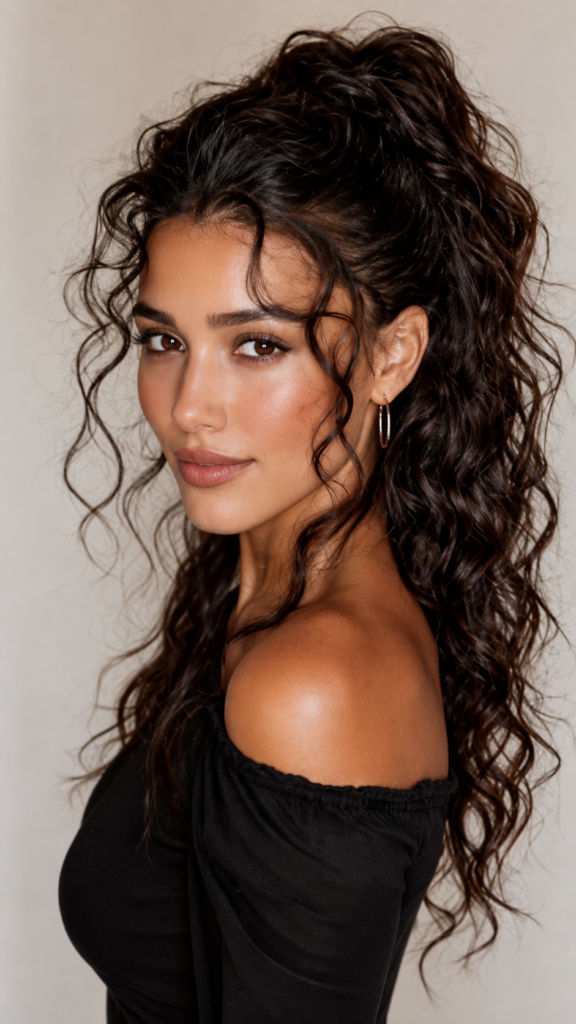
The length of your textured short shag haircut significantly impacts both appearance and daily styling routine. Short shag haircuts typically range from ear-length to chin-length. The right length depends on your face shape, curl type, and lifestyle preferences.
Ear-length shags sit just above or at the earlobe and create a very compact, low-maintenance style. This length works well for Type 3 and Type 4 curls because shorter length reduces weight that can pull curls down and flatten them. Ear-length shags also dry quickly and require minimal product to look polished. For round face shapes, an ear-length shag with slightly longer layers on top creates the illusion of a longer face. For oval or rectangular face shapes, ear-length shags are universally flattering.
Chin-length shags offer more length while maintaining the short shag aesthetic. This length provides more styling versatility because you can tuck shorter pieces behind your ears or let them frame your face. Chin-length shags work particularly well for Type 2 and Type 3 curls because there’s enough length for curls to form fully while still benefiting from layering. For square face shapes, a chin-length shag with longer layers on top softens your jawline.
The distance between your shortest and longest layers also matters. Some shag cuts feature dramatic length differences, with very short layers on top and longer pieces underneath. Others use subtle graduation with layers closer in length. For curly hair, subtle graduation often works better because it maintains curl pattern integrity while providing texture. Dramatic length differences can sometimes create a wispy, disconnected look that doesn’t suit all curl types.
4. Styling Techniques for Textured Short Shag Haircuts

Styling a textured short shag haircut involves enhancing your natural texture rather than fighting it. The most effective styling approach starts with proper moisture management. After washing, apply your leave-in conditioner or curl cream to soaking wet hair. This is crucial because curly hair needs moisture to form curls properly. Distribute the product evenly throughout your hair, coating each curl from root to tip.
Once you’ve applied your base product, add additional styling products depending on your curl type and desired hold. Curl gels, creams, and mousses work differently on various curl patterns. Type 2 waves often benefit from lightweight mousses that provide hold without weighing down waves. Type 3 curls typically respond well to curl creams or gels that define individual curls. Type 4 coils may need heavier creams or butters that provide moisture and hold simultaneously.
The application method matters as much as the product itself. Instead of smoothing products downward, scrunch them upward into your curls. This technique encourages curls to form their natural shape. Work in sections, starting with the back of your head and moving toward your face. Make sure to apply product to shorter layers on top as well as longer pieces underneath.
After applying products, you have two main drying options: air drying or using a diffuser attachment on your blow dryer. Air drying takes longer but causes less frizz. If you choose to air dry, try plopping your hair in a microfiber towel or t-shirt for 15 to 20 minutes to encourage curl formation and reduce frizz. Diffuser drying speeds up the process and can enhance curl definition. Use low heat and low speed to avoid disrupting your curl pattern.
For a textured short shag haircut, you can also experiment with finger coiling or twist-outs. Finger coiling involves wrapping small sections of damp hair around your finger to create defined curls. This technique works best on Type 3 and Type 4 curls and creates a more intentional, polished look. Twist-outs involve twisting damp sections of hair and allowing them to dry, then unraveling them for defined waves or curls.
5. Maintenance and Trimming Schedule
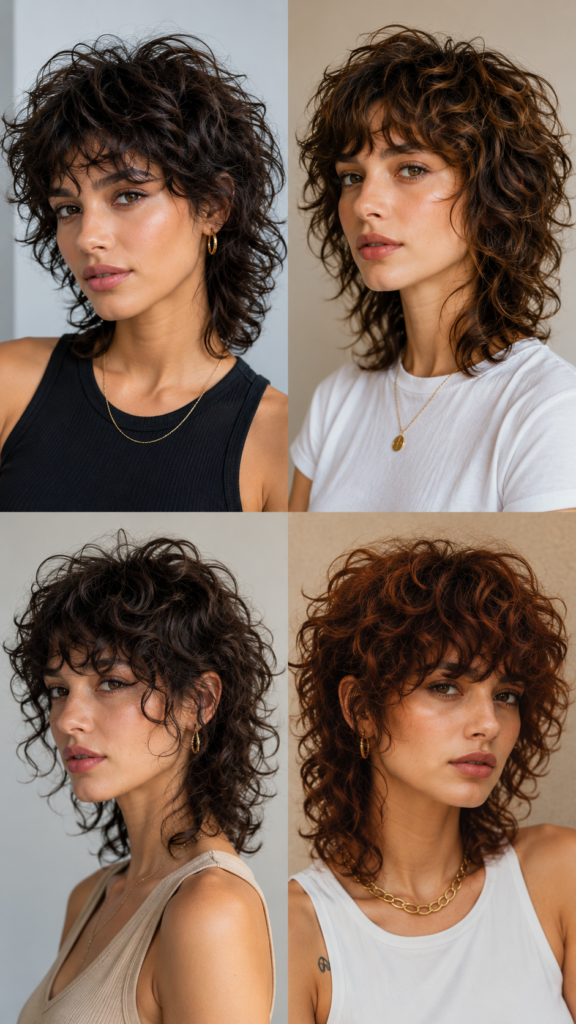
Maintaining a textured short shag haircut requires regular trims to keep the style looking fresh and intentional. Short shag haircuts typically need trimming every 4 to 6 weeks. This frequent trimming schedule keeps the layers defined and prevents the style from growing into an awkward in-between length.
When you visit your stylist for a trim, communicate clearly about what you want to maintain and what you’d like to adjust. If you’re happy with the overall shape and texture, your stylist can focus on refreshing the layers and removing damaged ends. If you want to make changes, bring reference photos and discuss specific adjustments.
Between professional trims, maintain your shag by keeping your hair healthy and moisturized. Regular deep conditioning treatments help prevent breakage and keep your curls bouncy. Aim for a deep conditioning treatment once a week or every other week, depending on your hair’s porosity and condition.
Protecting your hair while sleeping is another important maintenance step. Cotton pillowcases absorb moisture from your curls and create frizz. Switch to a silk or satin pillowcase, or use a silk or satin bonnet to protect your curls while you sleep. This simple change can significantly reduce frizz and help your curls maintain their shape overnight.
6. Face Shape Considerations for Short Shag Cuts
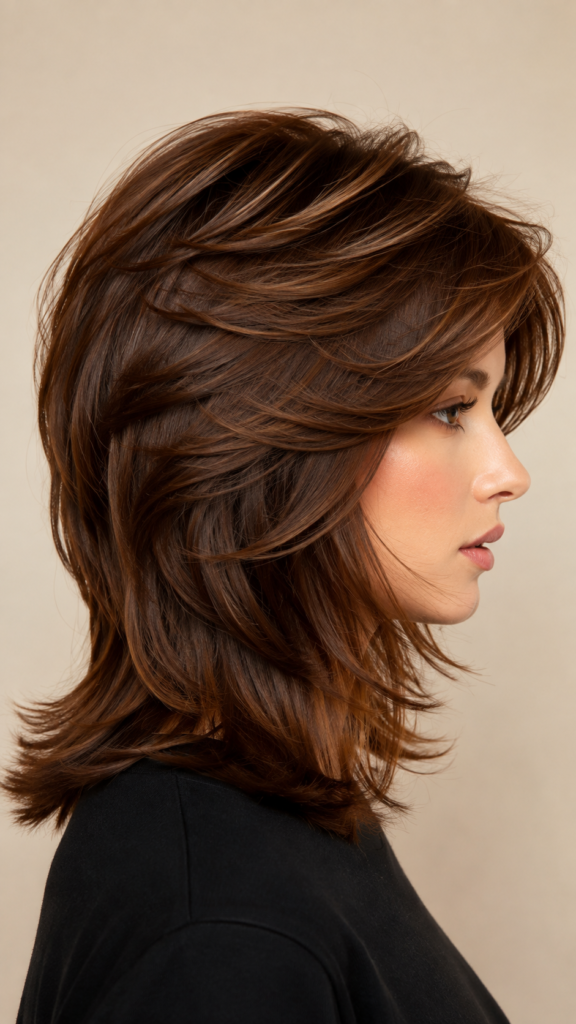
Your face shape plays an important role in determining which textured short shag haircut variation will look most flattering on you. While shag haircuts are versatile and work for most face shapes, small adjustments to length and layer placement can enhance your natural features.
Round face shapes benefit from shag cuts that create the illusion of length and definition. Longer layers on top that add height, combined with slightly longer pieces in front that frame the face, help elongate a round face. Avoid cuts that are too uniform in length all around, as this can emphasize roundness. A shag with more volume on top and slightly longer front pieces creates a more balanced proportion.
Oval face shapes are considered the most versatile for any hairstyle, including textured short shag haircuts. Oval faces can pull off ear-length shags, chin-length shags, and variations in between. You have the freedom to choose based on your personal preference and lifestyle rather than worrying about whether the cut will flatter your face shape.
Square face shapes have strong jawlines that can look harsh with blunt cuts. A textured short shag softens a square jawline because choppy layers and texture create movement rather than a solid line. Longer layers in front that extend past the jawline help soften angles. A shag with more texture and movement throughout works better than a sleek, structured cut.
7. Product Recommendations for Curly Shag Maintenance
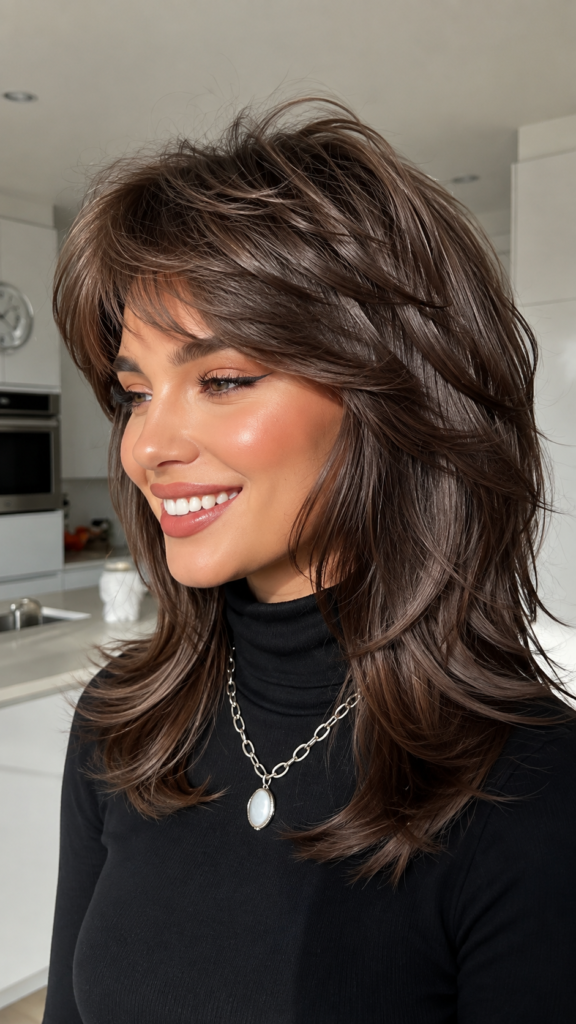
Choosing the right products for your textured short shag haircut is essential for maintaining healthy, defined curls. Understanding what each product type does helps you build an effective routine.
Leave-in conditioners are foundational products for curly hair. These lightweight conditioners stay in your hair after washing and provide ongoing moisture and slip. Slip refers to how easily a product allows you to detangle and manipulate your hair. A good leave-in conditioner with plenty of slip makes styling easier and reduces breakage. Apply leave-in conditioner to soaking wet hair before adding other styling products.
Curl creams and butters provide moisture and hold for curls. Creams are lighter than butters and work well for Type 2 and Type 3 curls. Butters are heavier and better suited for Type 4 coils that need more moisture and hold. Some people use both a cream and a butter in their routine, applying the cream first and then sealing with a lighter butter or oil.
Curl gels provide hold and definition for curls. Gels range from light to heavy hold, and some are specifically formulated to reduce frizz. Water-based gels work well for most curl types. Gels can sometimes leave a crunchy texture when they dry, but this crunch disappears when you scrunch your curls with your hands.
Deep conditioning treatments are essential for maintaining healthy curls. These intensive treatments provide extra moisture and can help repair damage from heat styling or chemical treatments. Use a deep conditioning treatment once a week or every other week, depending on your hair’s condition.
Oils and serums can help seal moisture into your curls and reduce frizz. These products are best applied to damp hair after your main styling products have been applied. Use oils sparingly because they can weigh down curls if you use too much.