Butterfly Cut or Shag Cut: Which Style Suits You Best
Choosing a new haircut can feel like a big decision. Two styles keep coming up in salons and on social media right now: the butterfly cut and the shag cut. Both bring movement, texture, and a fresh energy to your look. But they work differently, and they suit different hair types, face shapes, and lifestyles. This guide breaks down each style clearly so you can walk into your next salon appointment with confidence. Read through each section, look at the visuals, and find the cut that truly fits you.
1. Side by Side: Butterfly Cut and Shag Cut at a Glance
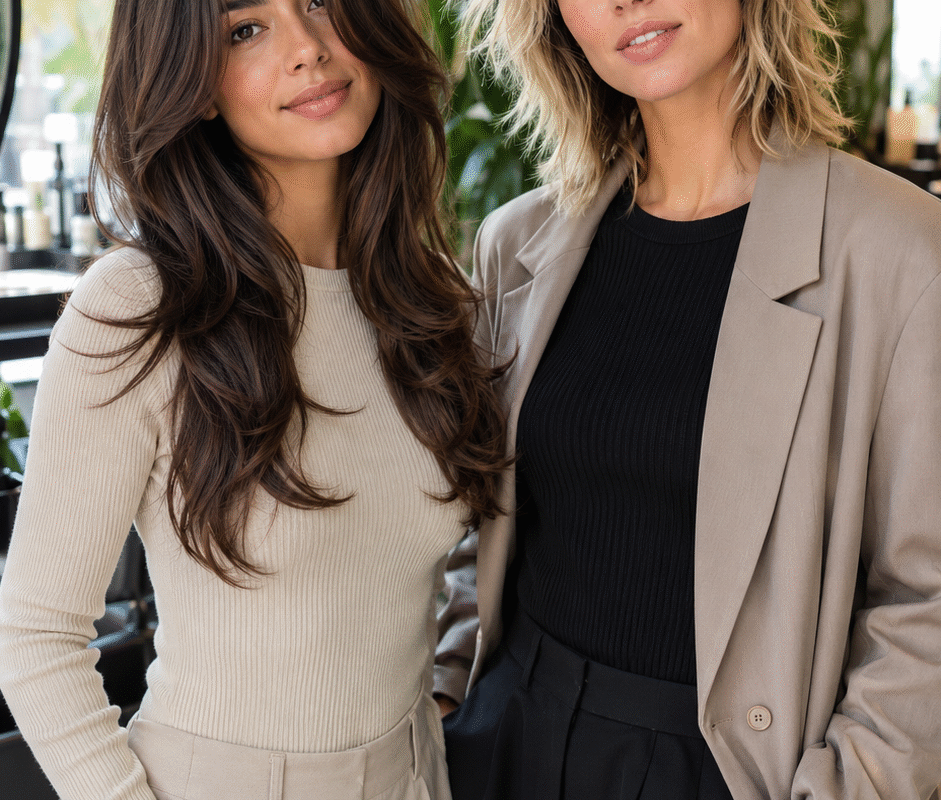
Before going deeper, it helps to see both styles together. The butterfly cut is known for its soft, fluttery layers that frame the face and fan out at the back. The shag cut leans edgier, with choppy layers, heavy fringe, and a lived-in texture that feels deliberately undone.
Seeing them side by side makes the contrast clear. The butterfly cut reads as romantic and flowing. The shag cut reads as bold and textured. Your personal style will likely pull you toward one immediately.
2. What Makes the Butterfly Cut Unique
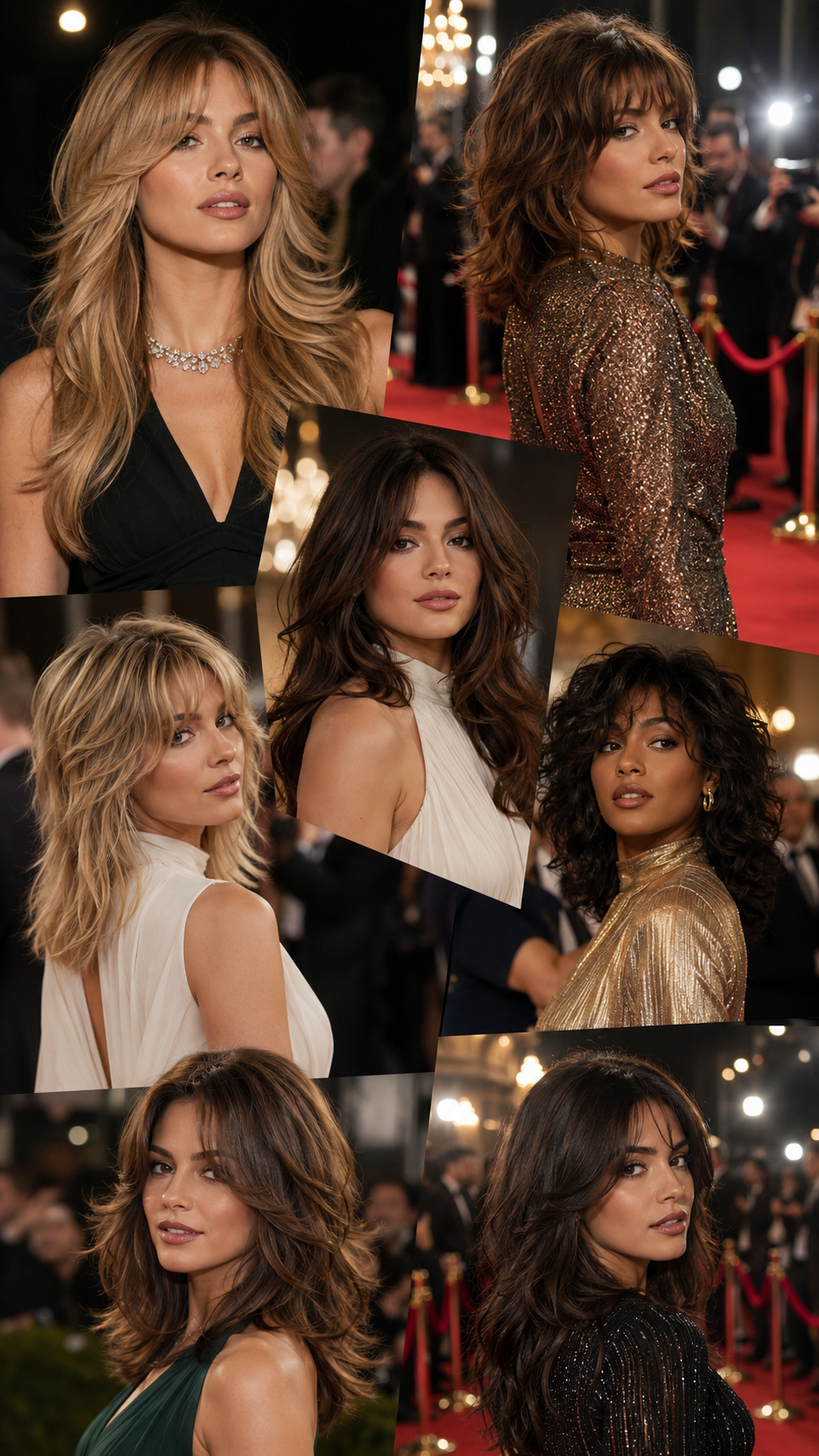
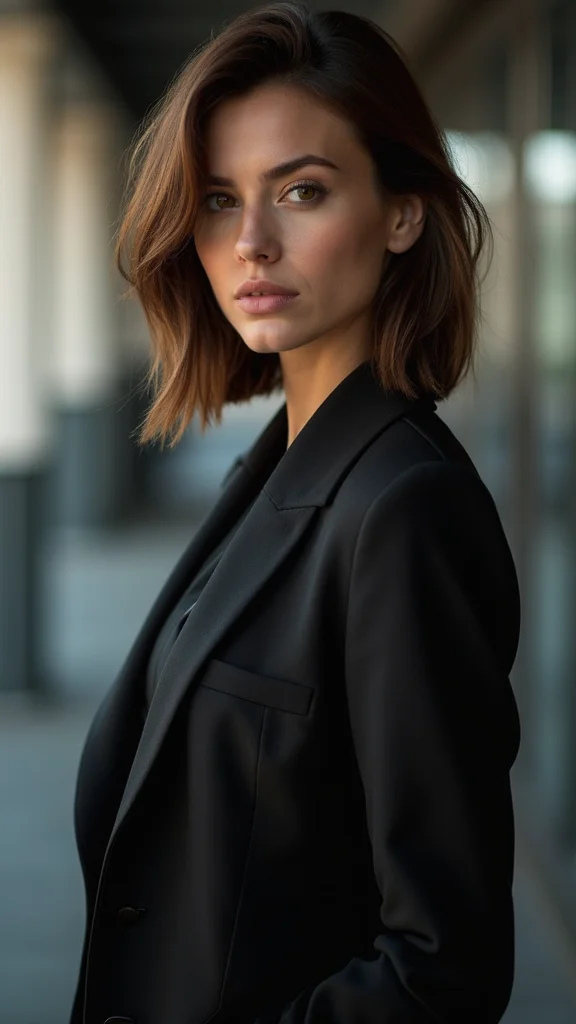
The butterfly cut gets its name from the shape the hair creates when it falls naturally. Layers are cut to sit close to the crown and then sweep outward and downward, mimicking the spread of wings. The result is a style full of volume and softness.
This cut works especially well on medium to long hair. It adds lift at the crown without making the hair look stiff or overdone. Women with fine hair often find it gives them the body they have been looking for.
3. What Makes the Shag Cut Stand Out
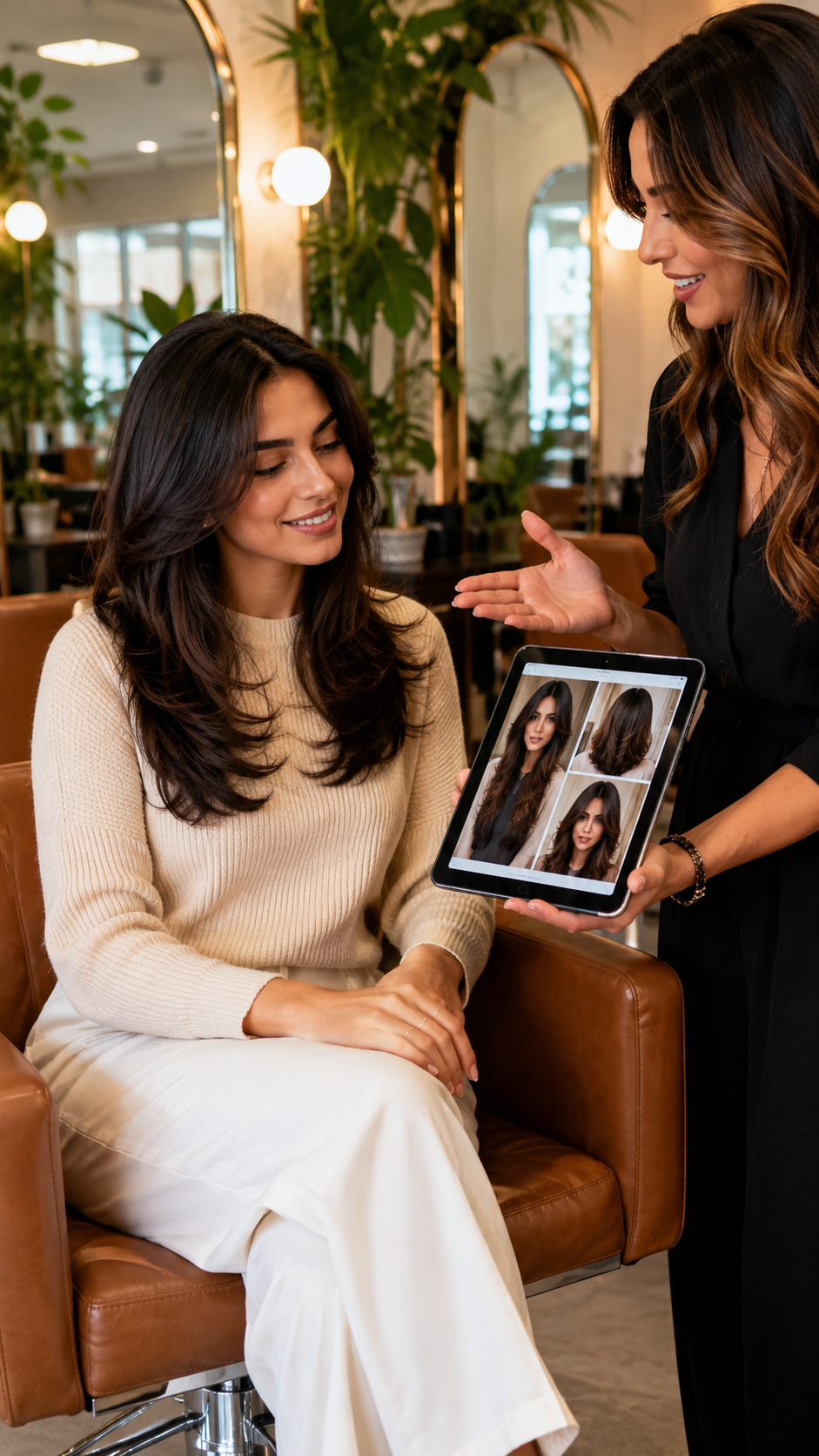
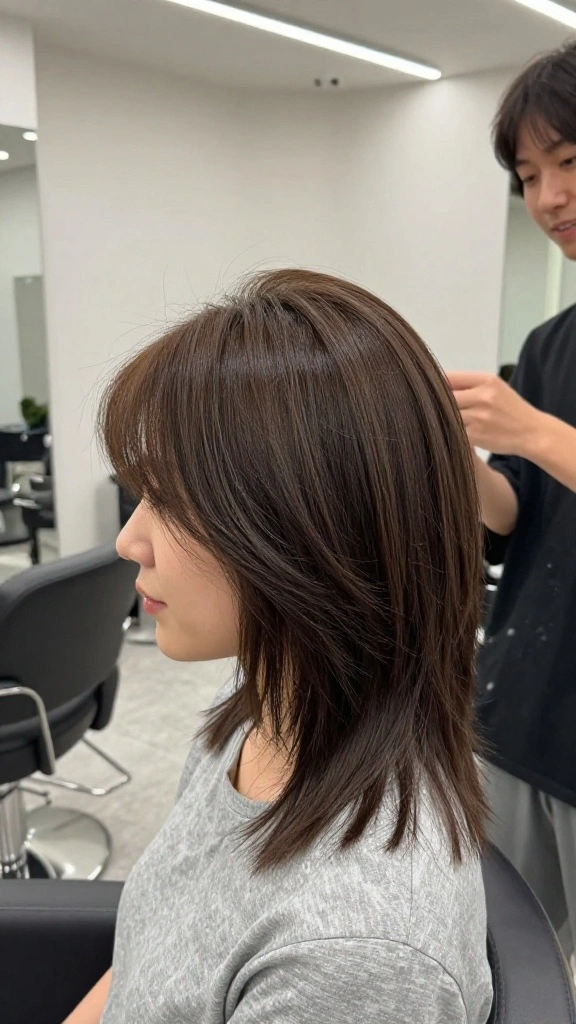
The shag cut has roots in the 1970s rock scene, and that energy still lives in the style today. It uses heavy layering from root to tip, often paired with curtain bangs or a full fringe. The layers are cut to look slightly rough, not polished.
Thick hair responds very well to the shag cut because the layering removes bulk and adds movement. Fine hair can also carry a shag, but the stylist needs to be careful not to remove too much weight. The key is keeping enough density so the style does not fall flat.
4. The Allure of the Butterfly Cut
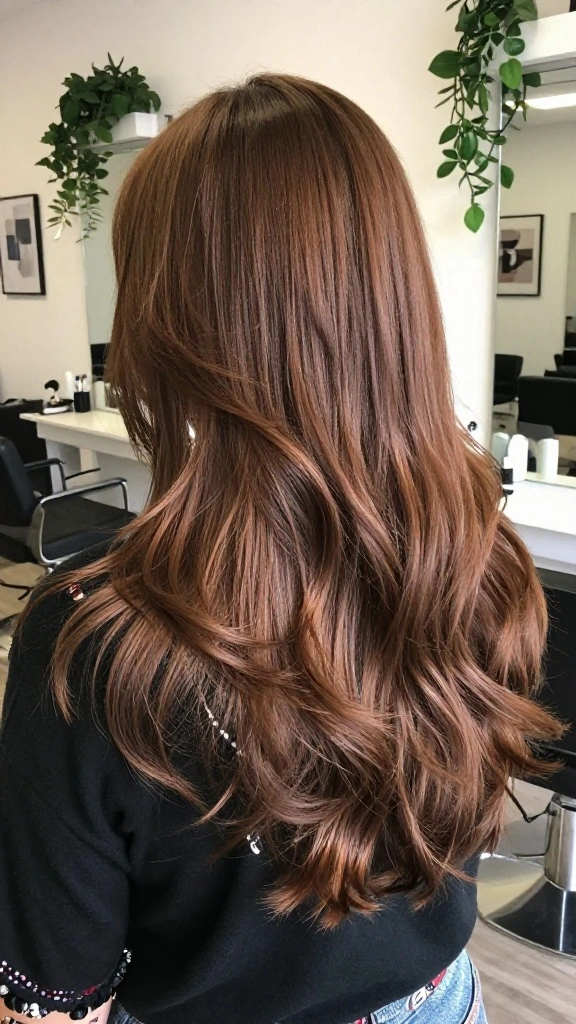
There is a reason the butterfly cut has taken over social media feeds. It flatters a wide range of face shapes and hair textures. The layers create a natural curtain effect that draws attention to the cheekbones and jawline without any harsh lines.
Styling is also straightforward. A round brush and a blow dryer can give you the full, bouncy look in under twenty minutes. For a more relaxed finish, air drying works too. The cut holds its shape either way.
5. Embracing the Edgy Shag Cut
The shag cut rewards those who want low maintenance with high impact. Once cut, it air dries into a naturally textured style that looks intentional. A small amount of texturizing spray or sea salt spray enhances the layers without weighing them down.
This cut also grows out gracefully. As the layers lengthen, the style shifts rather than falls apart. That means fewer trips to the salon to keep it looking good. For busy people who still want a strong style, the shag delivers.
6. Tailoring Each Cut to Your Face Shape
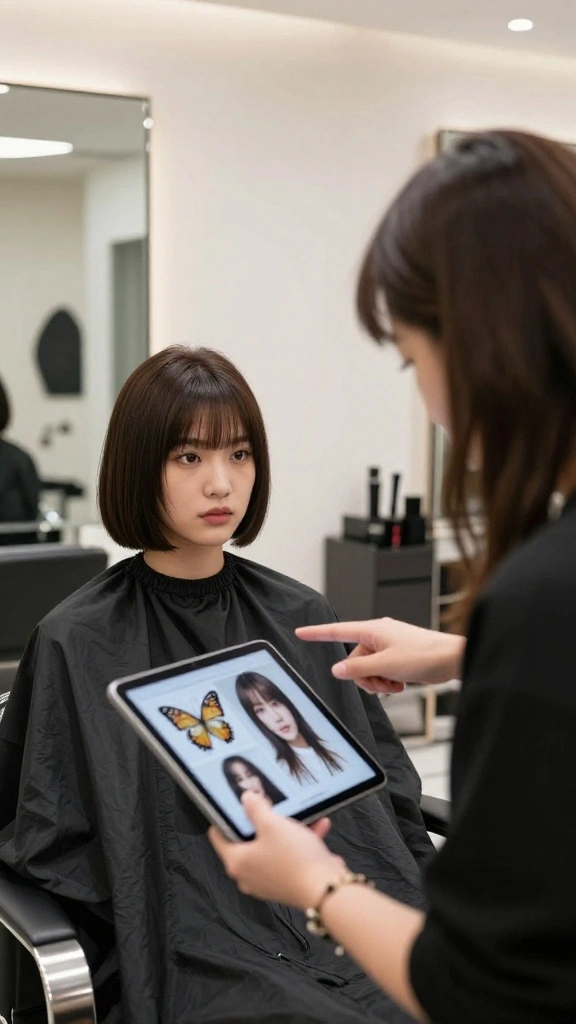
Face shape plays a real role in how a haircut lands. The butterfly cut suits oval, heart, and round faces well. The sweeping layers add length and draw the eye downward, which balances rounder features. For square faces, the soft movement softens strong jawlines.
The shag cut is more flexible across face shapes because the fringe options vary so much. A side swept fringe works for square faces. A full fringe suits longer or oval faces. Talk to your stylist about which fringe variation fits your bone structure before committing.
7. Styling Techniques for Both Cuts
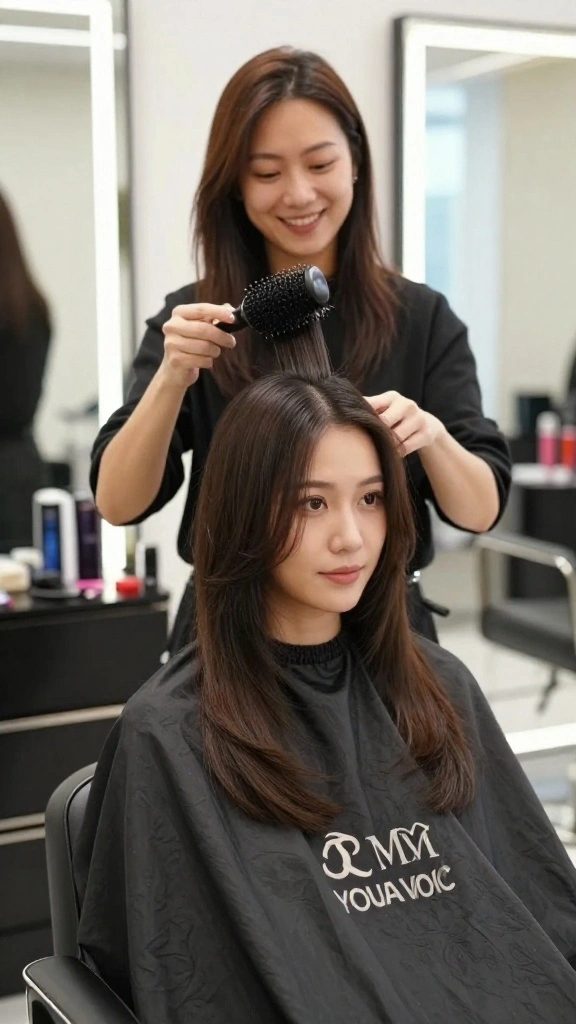
Getting the most from your cut comes down to technique. For the butterfly cut, start with a heat protectant and use a medium barrel round brush while blow drying. Work section by section, lifting at the roots and curling the ends slightly inward. This builds the signature volume.
For the shag cut, less is more. Scrunch the hair with a microfiber towel after washing and apply a lightweight mousse or texturizing cream. Let it air dry or use a diffuser on low heat. Avoid brushing once dry, as this breaks up the texture and flattens the layers.
8. Color Play: Highlighting Both Styles
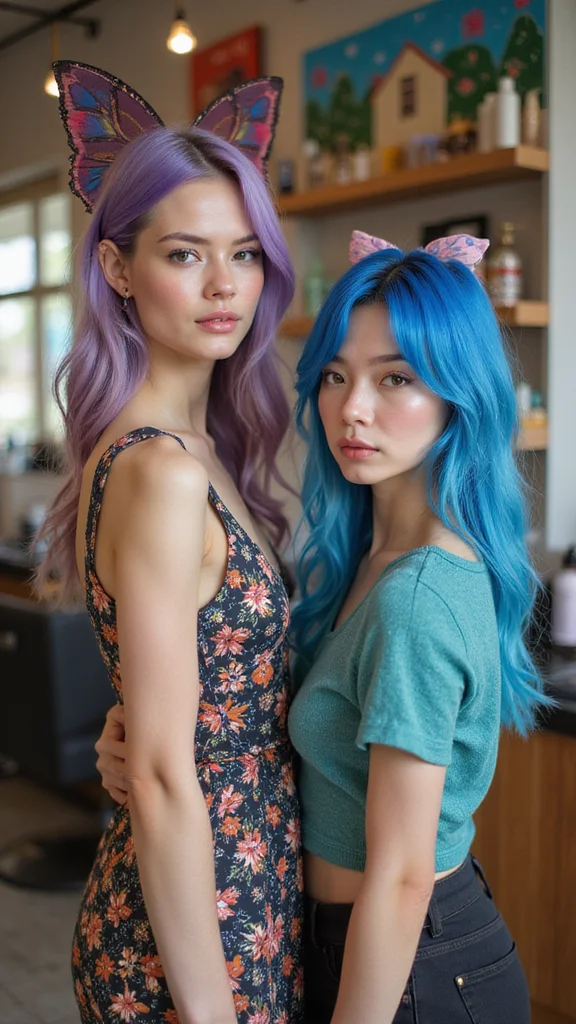
Color can transform both cuts. The butterfly cut shines with balayage or face framing highlights. The color follows the natural movement of the layers, making the style look even more dimensional. Warm tones like caramel and honey work beautifully with this cut.
The shag cut pairs well with bold color choices. Chunky highlights, money pieces, or even a two tone look all complement the choppy layers. The texture of the shag makes color appear richer and more varied, even with a single process color.
9. Seasonal Styling: Adjusting Your Look Through the Year
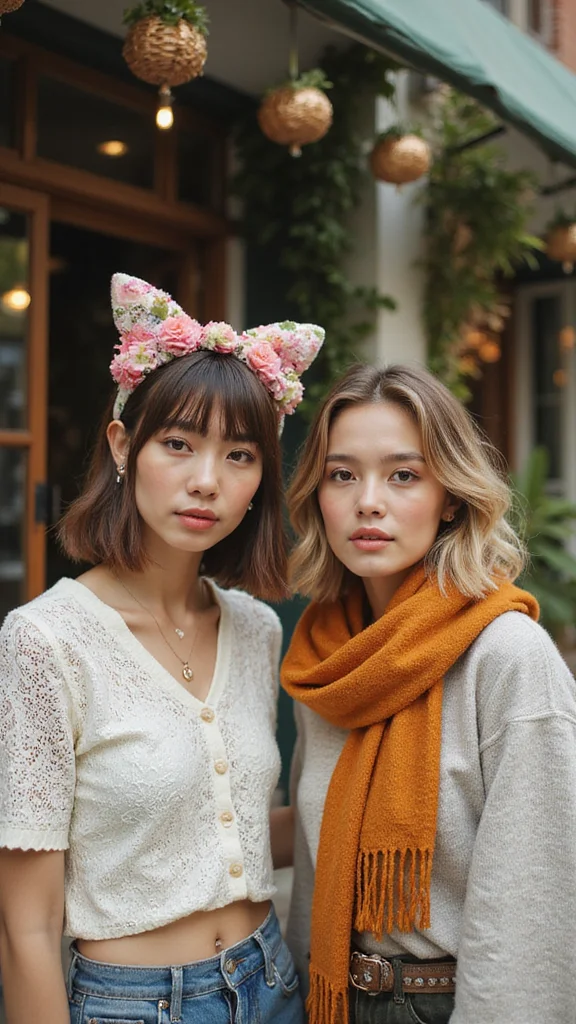
Both cuts adapt well across seasons. In warmer months, the butterfly cut can be worn loose and airy. The layers move with the breeze and dry quickly after a swim or a sweaty day. Pulling it into a half up style keeps it off the neck without losing the shape.
In cooler months, the shag cut layers up beautifully under hats and scarves. The texture actually improves with a little humidity from cold air. Both cuts also work well with braids, buns, and updos, so you are never stuck with just one look as the seasons change.
10. Budget Friendly Maintenance Tips
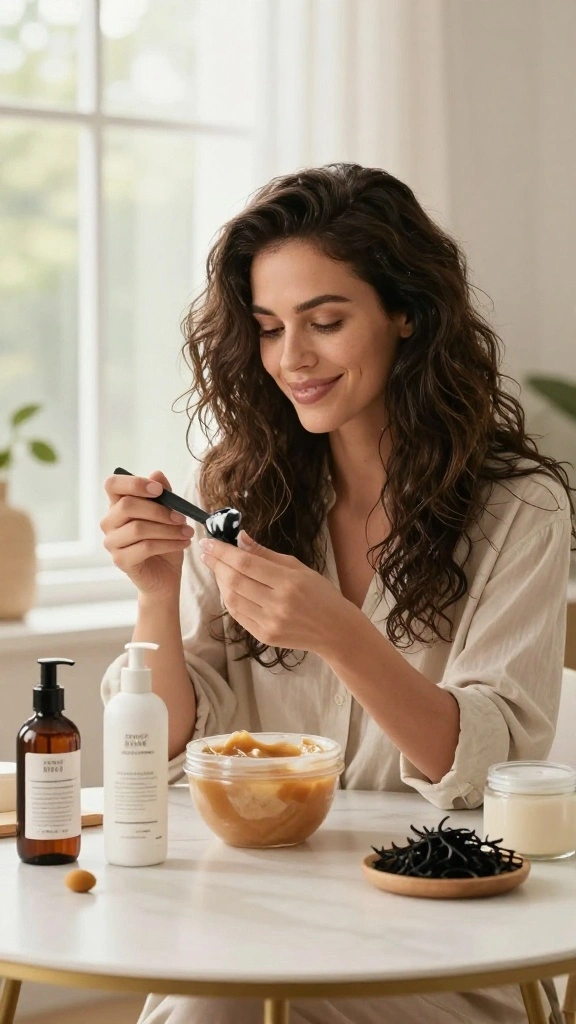
Keeping either cut looking sharp does not have to cost a lot. The butterfly cut typically needs a trim every eight to ten weeks to maintain the layer shape. Between appointments, a small trim of the ends at home can extend the life of the style without disrupting the layers.
The shag cut is even more forgiving. Because the style is built on a slightly undone look, minor growth does not ruin the shape. Trimming the fringe at home is simple and keeps the style fresh between full salon visits. Investing in a good pair of hair scissors makes this easy.
11. The Versatility of Both Cuts
One of the strongest arguments for either cut is how many ways you can wear it. The butterfly cut moves from casual to dressed up with ease. Loose waves give it a relaxed weekend feel. Smooth and blown out, it works for a formal event or a professional setting.
The shag cut carries the same range. Worn down with its natural texture, it fits a creative or casual environment. Pulled into a messy bun or a low ponytail, it reads as effortlessly put together. Neither cut locks you into a single look, which makes both worth considering for everyday life.
12. Making Your Final Choice
At this point, you likely have a clearer sense of which cut fits your life. If you want something soft, romantic, and easy to style with heat tools, the butterfly cut is a strong choice. It suits those who enjoy a polished finish and want volume without bulk.
If you want something with more edge, less daily effort, and a style that grows out gracefully, the shag cut is worth a serious look. It rewards those who embrace texture and do not mind a little unpredictability in their style. Both cuts are strong options. The right one is simply the one that matches how you live and how you want to feel when you look in the mirror.