Short hair doesn’t limit your styling options. Braids work beautifully on shorter lengths and offer versatility for any occasion. Whether you’re heading to work, a casual hangout, or a special event, braided styles add texture and visual interest without requiring hours at the salon.
The beauty of braids lies in their adaptability. You can wear them sleek and polished or loose and relaxed. Many styles take just minutes to master once you understand the basic technique. Short hair actually makes braiding easier because you’re working with less weight and volume.
This guide walks you through 17 braided styles that work on short hair. Each style ranges from beginner friendly to moderately challenging. You’ll find options for every hair type and personal aesthetic.
Braids also protect your hair from daily wear and tear. They keep strands contained and reduce friction while you sleep or move throughout your day. Rotating between braided and loose styles helps maintain healthier hair overall.
1. Classic Three Strand Braid
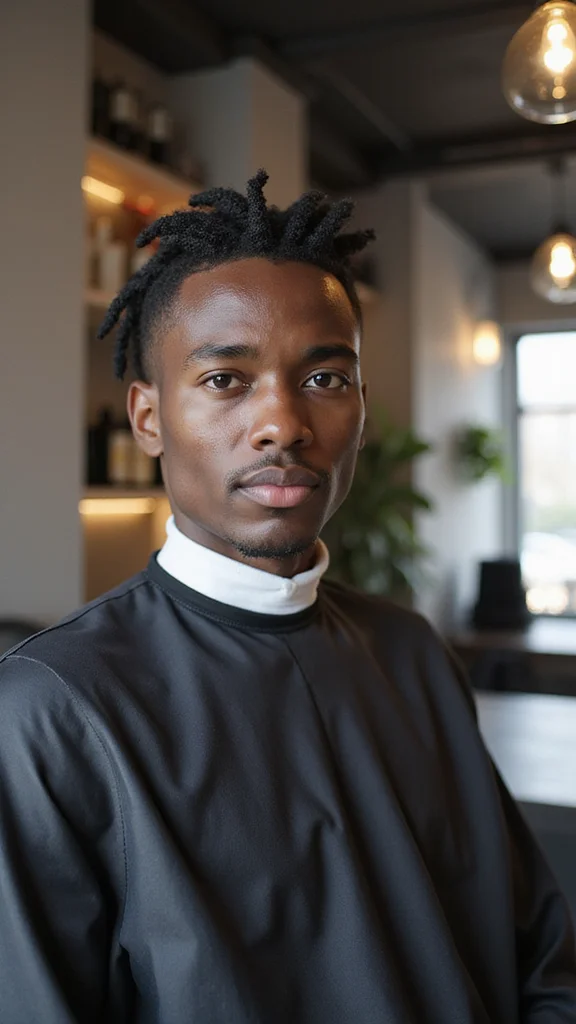
The three strand braid is the foundation of all braiding. This timeless style works on any hair length and requires only basic hand coordination. Start by dividing your hair into three equal sections at the crown. Cross the right section over the middle, then the left over the middle, and repeat until you reach the ends.
This style suits short hair because it sits close to the head and looks neat without appearing too formal. You can wear it down the back, to one side, or create multiple small braids for texture. The simplicity makes it perfect for beginners building confidence.
2. French Braid
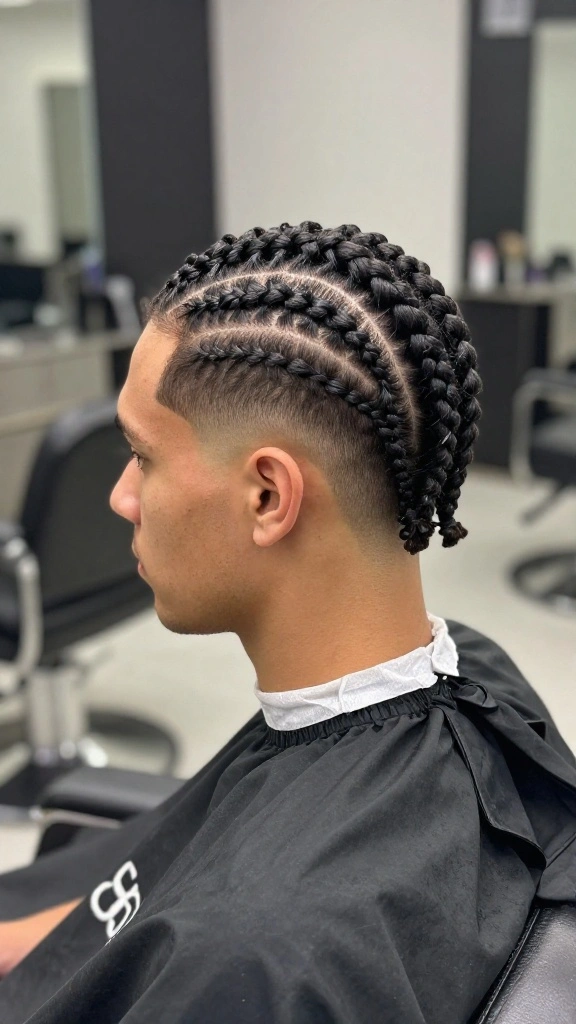
The French braid starts at the crown and incorporates loose hair as you move downward. Begin with a small three strand braid at the top of your head. As you braid, pick up small sections of hair from each side and add them to the corresponding braid strand. This creates a braid that sits flush against your scalp.
On short hair, a French braid creates an elegant, polished look for casual and formal settings. The braid appears thicker and more substantial because it incorporates more hair. Practice the picking up motion slowly at first, then gradually increase your speed as muscle memory develops.
3. Fishtail Braid
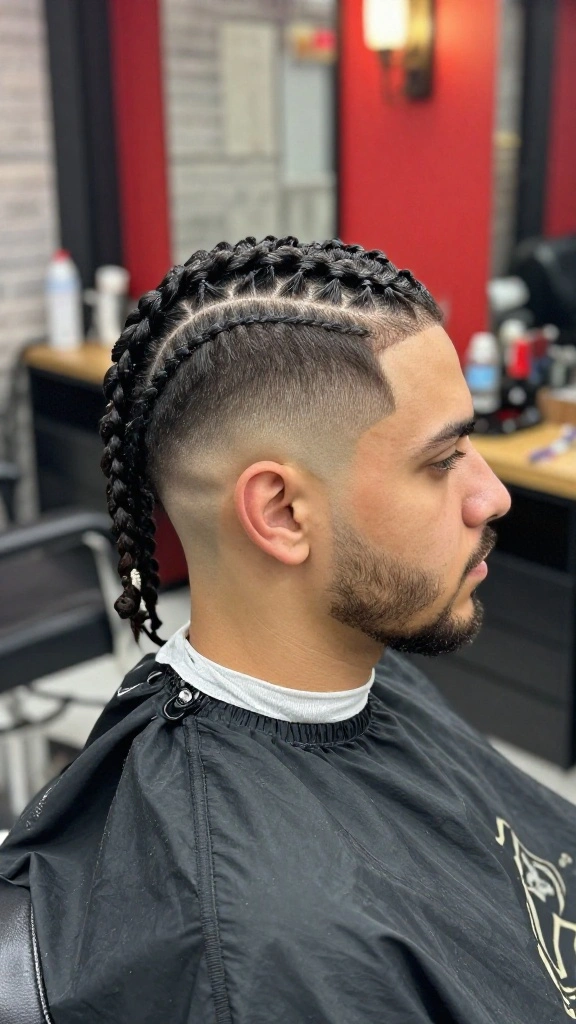
The fishtail braid uses a two section technique rather than three strands. Divide your hair into two equal parts. Take a small piece from the outside of the right section and cross it over to join the left section. Repeat on the opposite side, alternating back and forth.
This style creates a delicate, intricate appearance that looks more complex than it actually is. On short hair, fishtail braids add visual interest and texture without overwhelming your features. The finished braid has a woven, lacy quality that photographs beautifully. Many find the two section method easier to control than traditional three strand braiding.
4. Dutch Braid
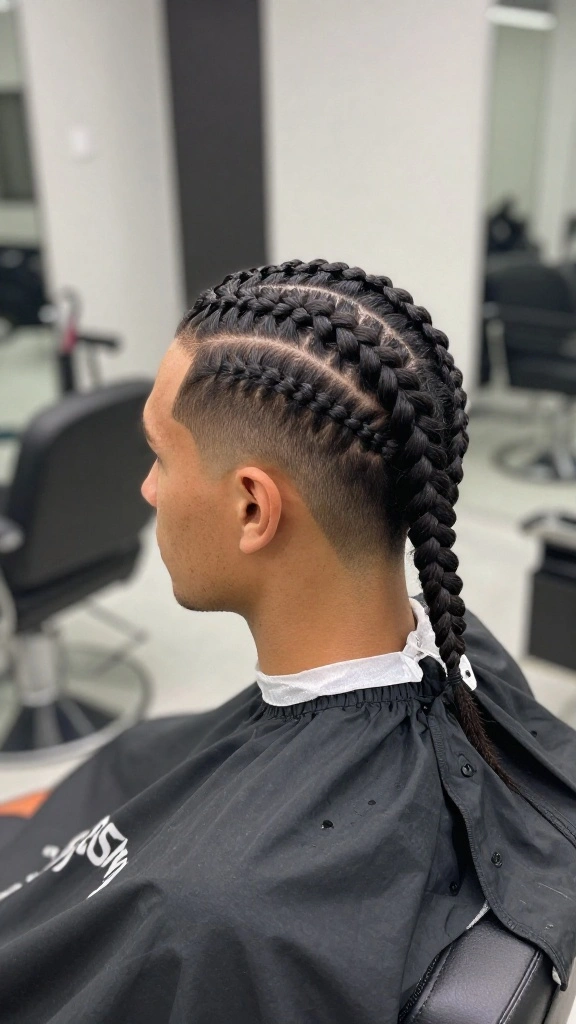
The Dutch braid is essentially a reverse French braid. Instead of crossing strands over the middle section, you cross them under. This creates a braid that appears to sit on top of your hair rather than blending into it. Start at the crown with a small three strand braid, then add hair from the sides as you move down.
Dutch braids create bold, dimensional lines on short hair. The raised appearance makes them stand out and adds volume to finer hair types. This style works particularly well for straight or wavy hair. The contrast between the braid and surrounding hair creates a striking visual effect.
5. Rope Braid
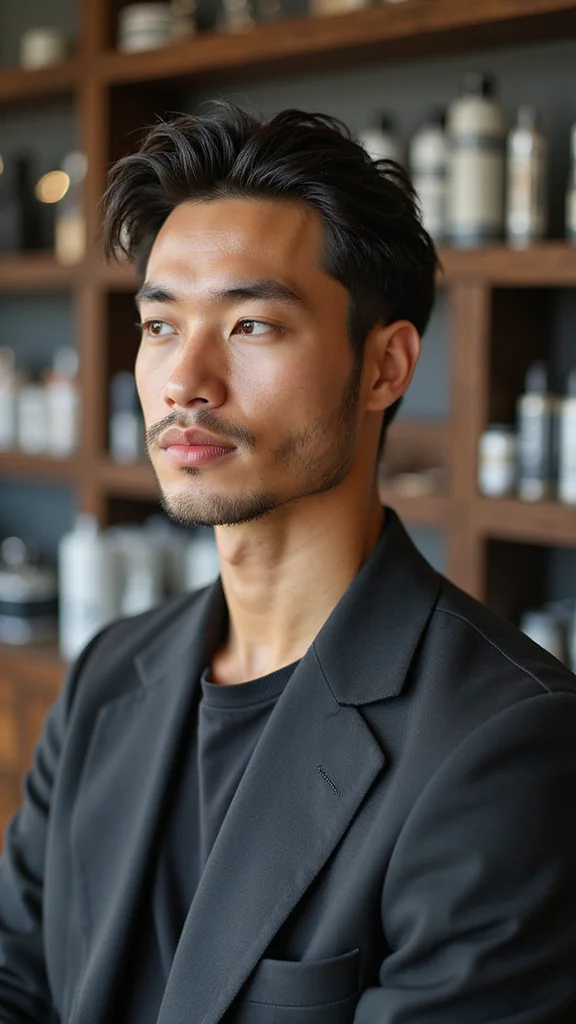
The rope braid uses a twisting motion instead of traditional weaving. Divide your hair into two sections and twist each section clockwise. Then twist both sections together counterclockwise. This creates a rope like texture that’s thicker and more textured than standard braids.
Rope braids work beautifully on short hair because they add volume and visual texture. The twisted pattern catches light differently than woven braids, creating dimension. This style suits both casual and dressy occasions. Many find rope braids easier to execute than traditional braids because the twisting motion feels more natural.
6. Braided Mohawk
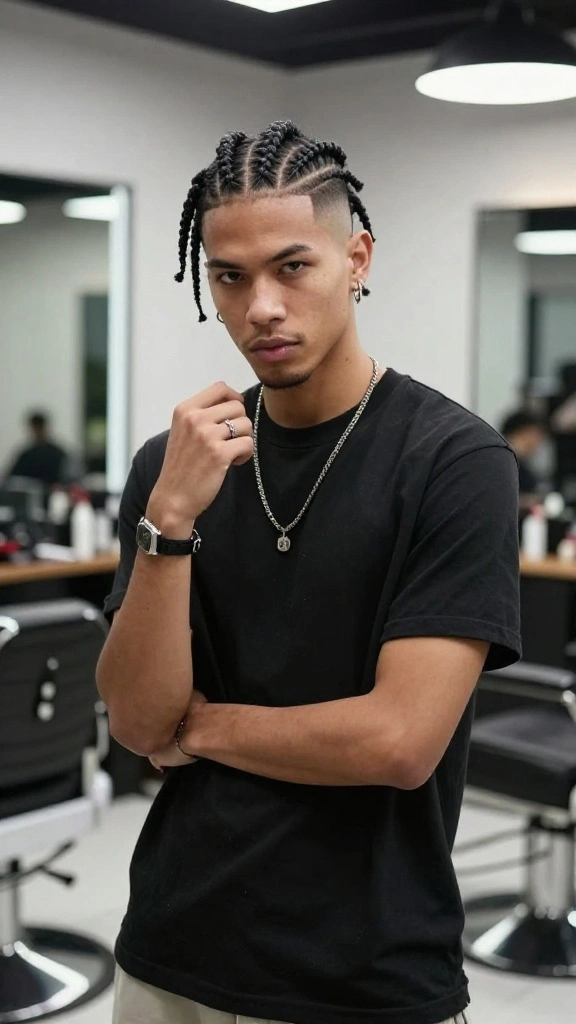
The braided mohawk combines edge and elegance. Create a Dutch or French braid down the center of your head from forehead to nape. The sides remain loose or can be faded for a more dramatic effect. This style makes a bold statement while keeping hair off your face.
On short hair, a braided mohawk looks modern and intentional. It works for people who want to express individuality without committing to a full mohawk cut. The braid can be tight and structured or loose and relaxed depending on your mood. This style suits various hair textures and works well for casual and edgy formal events.
7. Half Up Braids
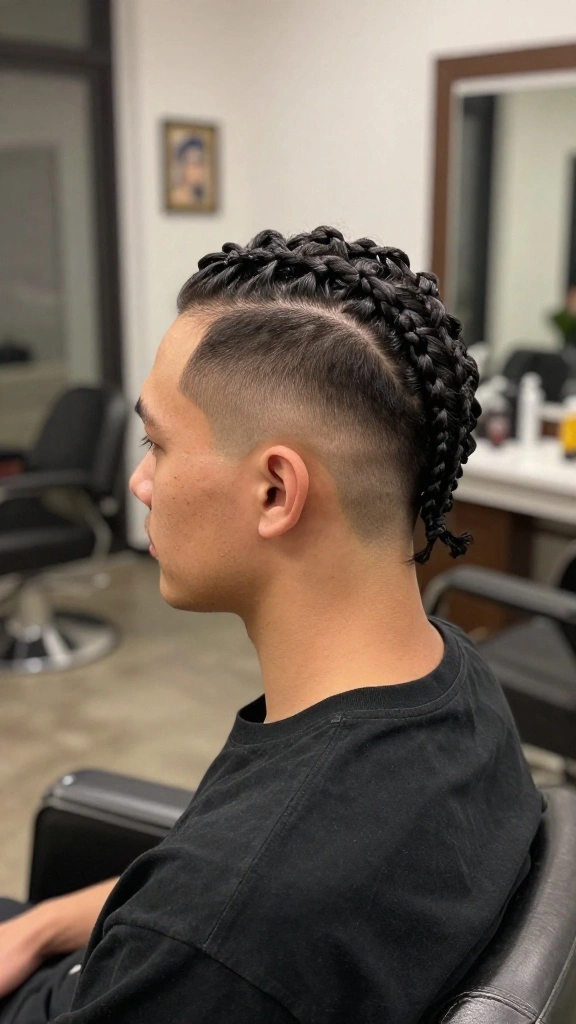
Half up braids combine the best of both worlds: some hair pulled back and some left down. Take the top section of your hair and create a braid, then secure it with a clip or elastic. Leave the bottom half loose and flowing. You can use a simple three strand braid or try a French or Dutch variation.
This style works exceptionally well on short hair because it adds dimension without looking too formal. The contrast between the braided and loose sections creates visual interest. Half up braids suit casual outings, work environments, and semi formal events. The style keeps hair out of your face while maintaining a relaxed, approachable appearance.
8. Braided Top Knot
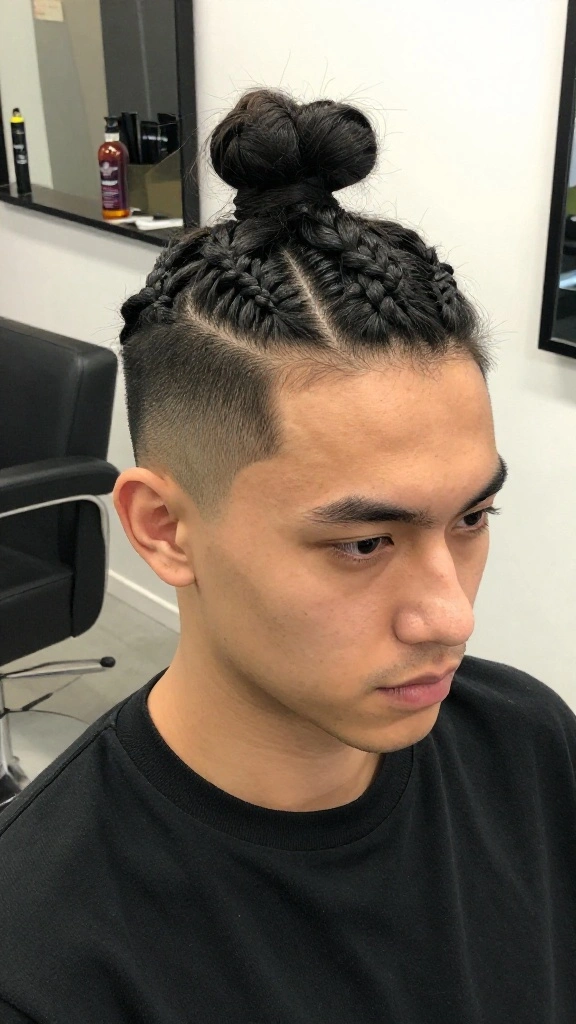
The braided top knot combines a braid with an updo. Create a braid starting from the crown, then wrap it around itself to form a knot or bun at the top of your head. Secure with bobby pins and finish with hairspray. The braid becomes the focal point of the style.
On short hair, a braided top knot looks chic and put together. It keeps all your hair off your face and neck, making it practical for warm weather or active days. The style works for both casual and professional settings. The braided texture adds visual interest that a plain bun wouldn’t provide.
9. Crown Braid
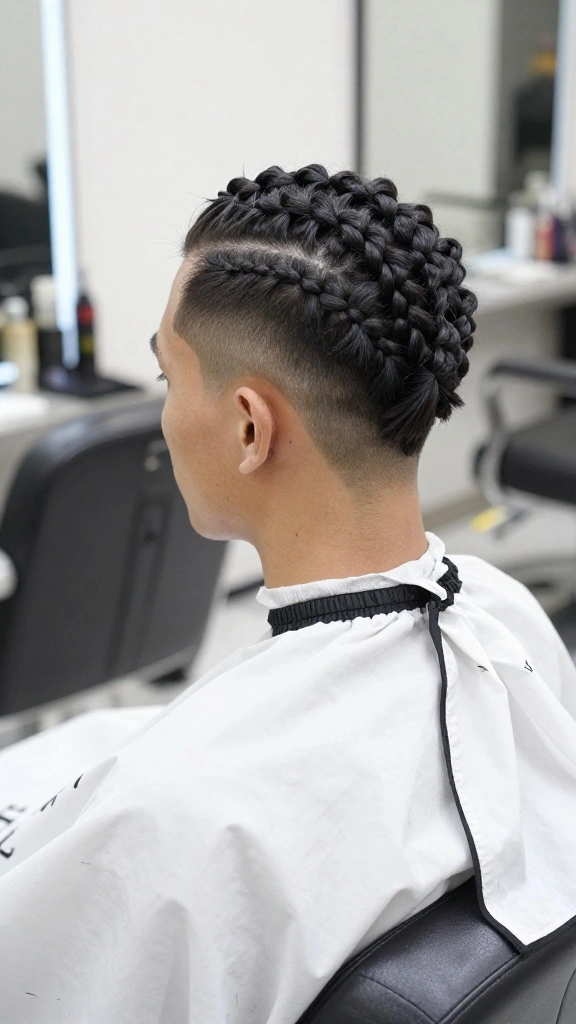
The crown braid wraps around your head like a halo or tiara. Start a French or Dutch braid at one ear and continue around the back of your head to the opposite ear. The braid frames your face and creates a romantic, elegant appearance. Secure the end with bobby pins tucked underneath.
This style transforms short hair into something special without requiring length. The braid sits at the crown, creating height and dimension. Crown braids suit various occasions from casual to formal. The style works on straight, wavy, and curly hair types. Many find this style easier on shorter hair because there’s less weight pulling on the braid.
10. Box Braids
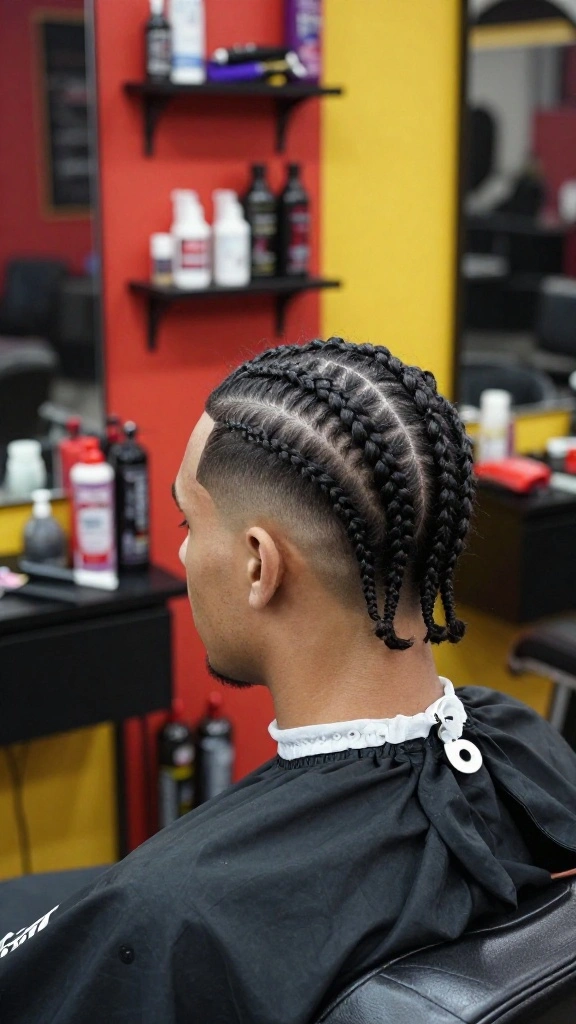
Box braids divide your hair into square sections, each braided individually. This protective style requires patience but creates a striking, geometric appearance. Each braid is independent, allowing for creative styling options. You can wear them down, pulled up, or in various combinations.
On short hair, box braids add significant texture and visual interest. The style suits all hair types and can be worn for several weeks with proper maintenance. Box braids protect your natural hair from daily manipulation and environmental stress. The individual braids can be styled in countless ways, from sleek to playful.
11. Side Braids
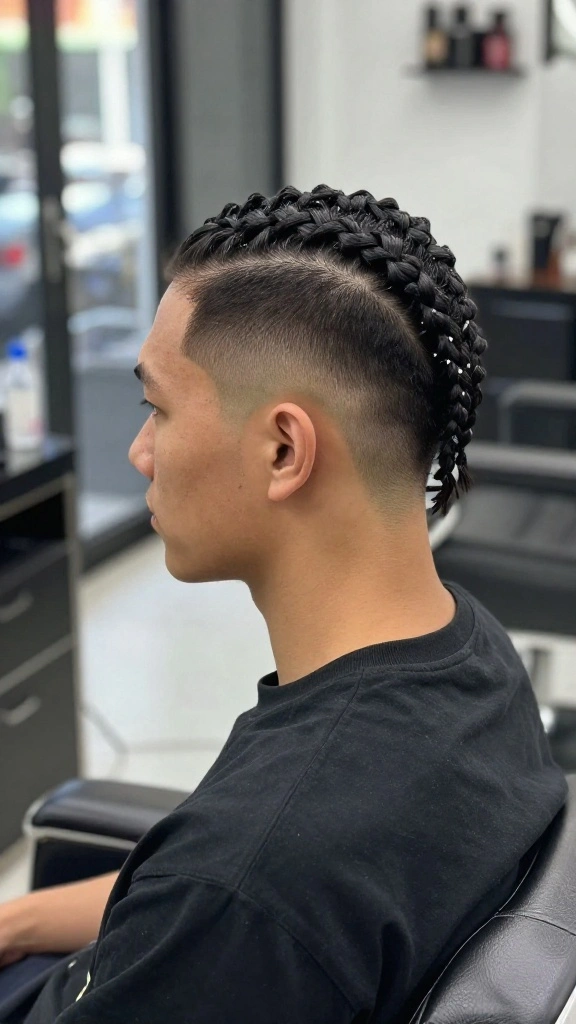
Side braids sweep your hair to one side, creating an asymmetrical, flattering look. Start the braid at the crown on one side and continue down toward the opposite shoulder. This style works with any braid type: three strand, French, Dutch, or fishtail. The side placement adds dimension to your face.
Side braids suit short hair beautifully because they create the illusion of length and movement. The asymmetrical placement is flattering for most face shapes. This style works for casual outings and more formal events. The side braid keeps hair off one side of your face while leaving the other side visible.
12. Twisted Braids
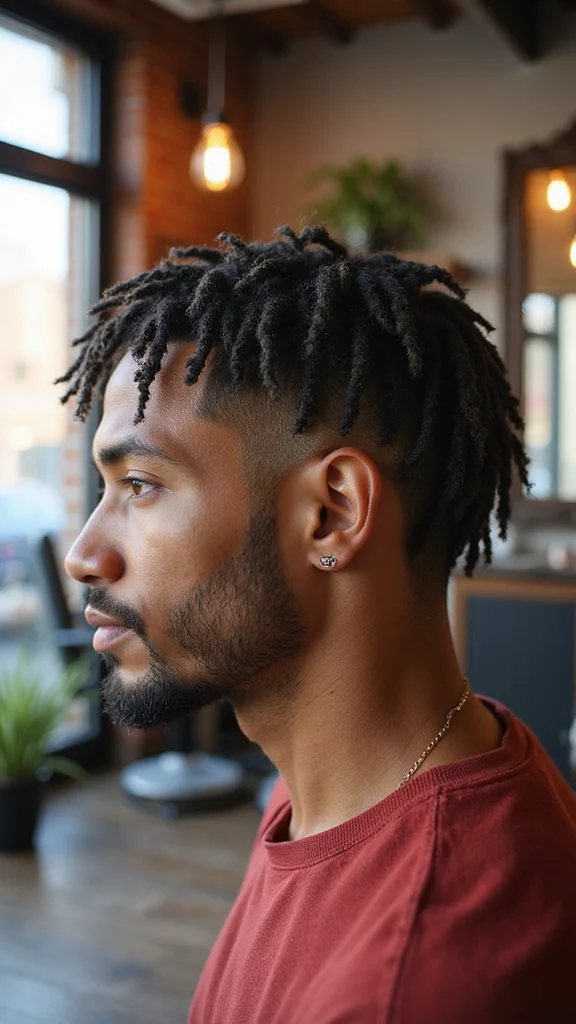
Twisted braids use a spiral motion to create texture. Divide your hair into two sections and twist each section tightly. Then twist both sections together in the opposite direction. The result is a rope like braid with extra dimension and visual interest.
Twisted braids add volume to short hair and create a textured, dimensional appearance. The twisting technique is often easier than traditional braiding for people new to styling. This style suits casual occasions and everyday wear. Twisted braids work on all hair types and can be worn loose or secured in various updos.
13. Braided Undercut
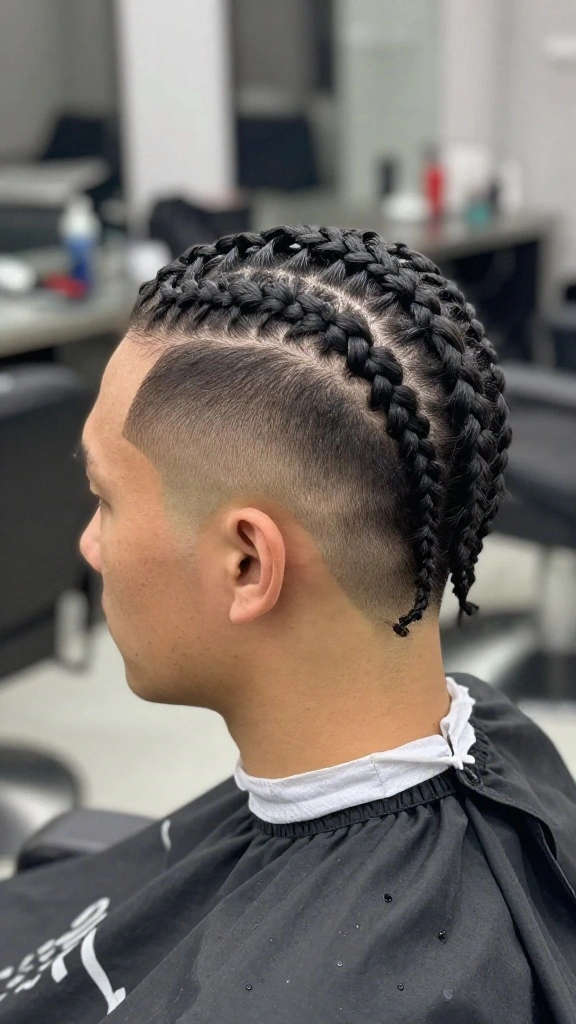
The braided undercut combines a braid with an undercut design. The sides and back are faded or shaved short, while the top is left longer and braided. This creates a bold, modern look that makes a statement. The braid sits prominently on top of the shorter sides.
This style suits people who want an edgy, contemporary appearance. The contrast between the braided top and faded sides creates visual drama. The braided undercut works for various occasions depending on how you style the braid. This style requires regular maintenance to keep the undercut looking sharp.
14. Braid Fade Combo
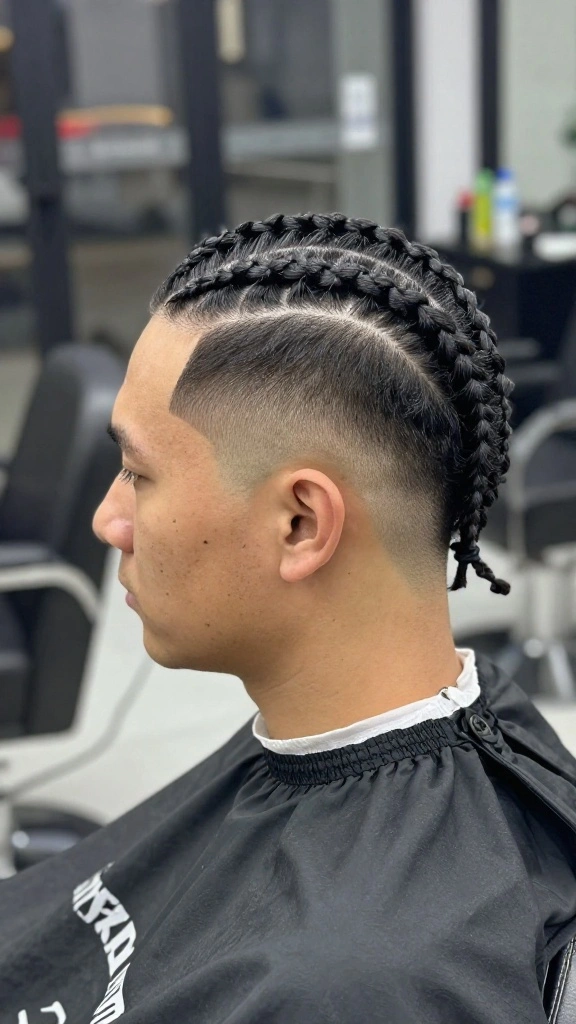
The braid fade combo blends a braided style with a fade haircut. The top section features a braid while the sides gradually fade from longer to shorter. This creates a polished, intentional look for professional and casual settings. The fade can be subtle or dramatic depending on your preference.
On short hair, a braid fade combo looks modern and well groomed. The fade adds dimension and visual interest to the overall style. This combination works for people who want something more refined than a full undercut. The braided top keeps hair styled while the fade maintains clean lines.
15. Braided Ponytail
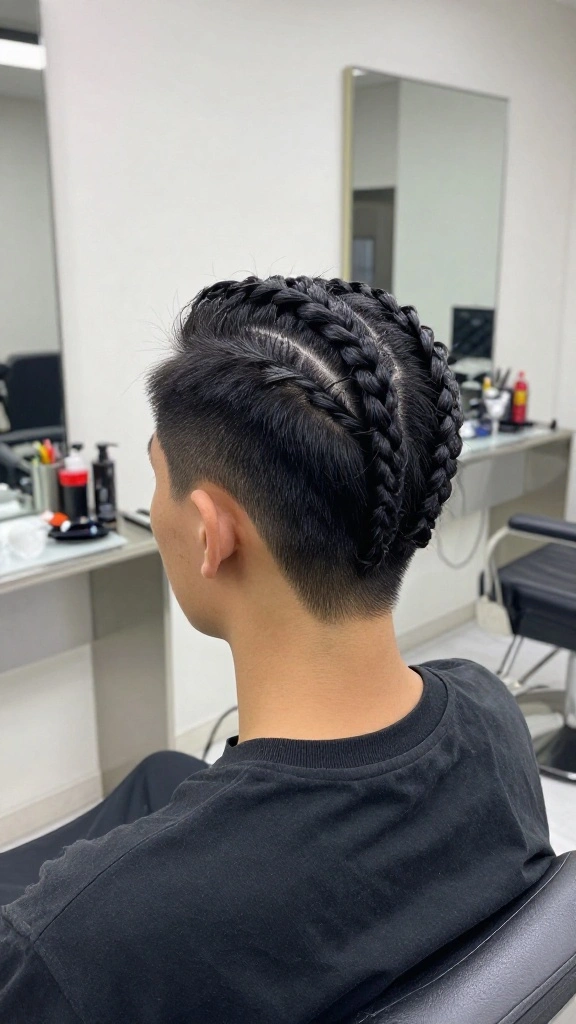
The braided ponytail incorporates a braid into a gathered ponytail. Create a braid starting from the crown, then gather all your hair including the braid into a ponytail at the back or side. Secure with an elastic and finish with hairspray. You can wrap a small section of hair around the elastic to hide it.
This style works beautifully on short hair because it combines two techniques into one cohesive look. The braid adds texture to what would otherwise be a simple ponytail. Braided ponytails suit casual and professional settings. The style keeps all your hair contained while adding visual interest.
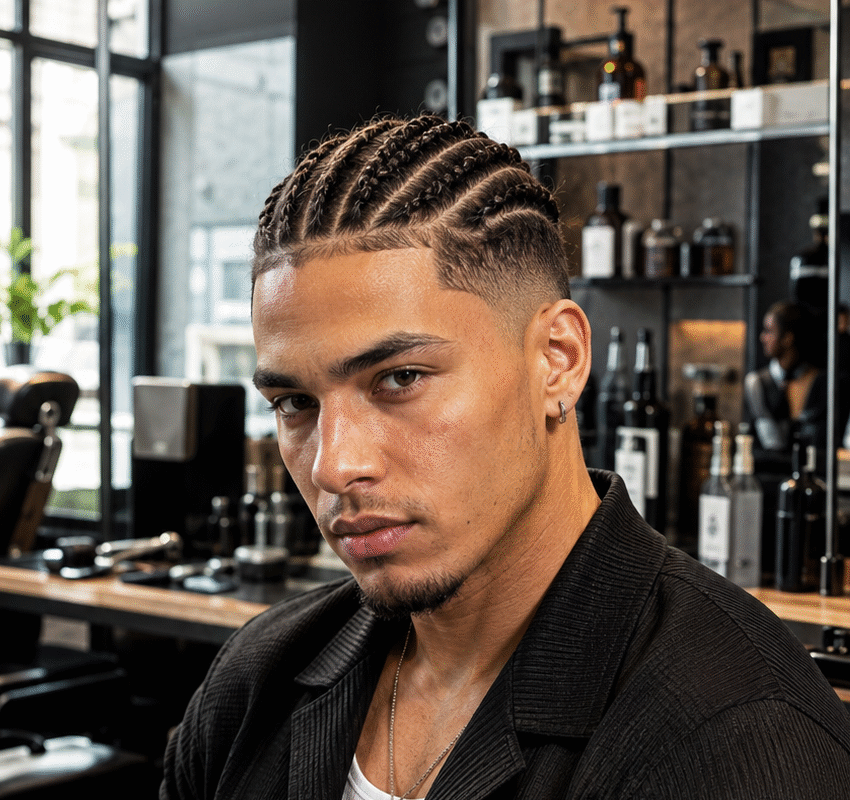
16. Cornrow Braids
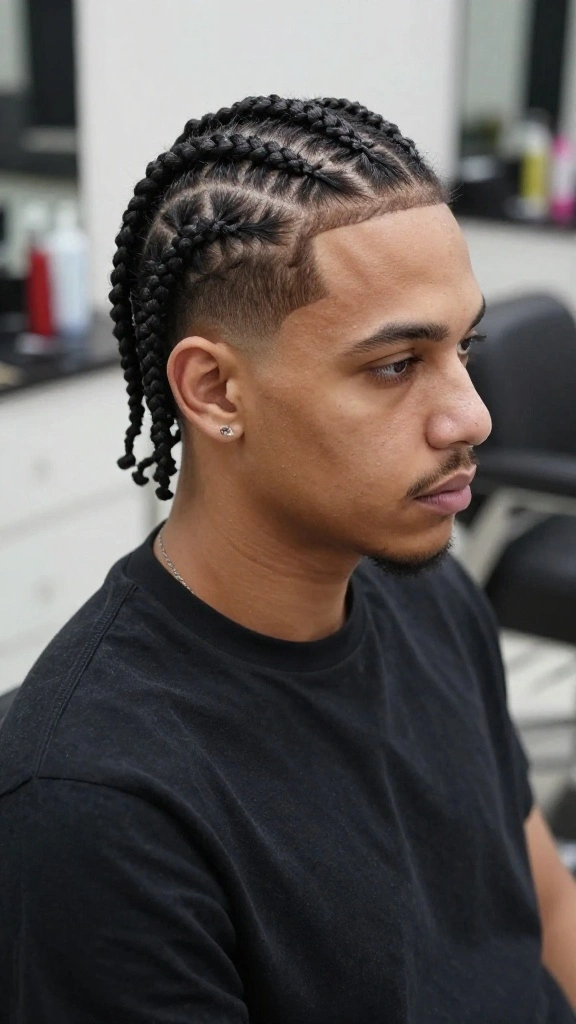
Cornrow braids are tight, close to the scalp braids that run in straight lines or patterns. This protective style requires skill but creates a striking, geometric appearance. Cornrows can be worn in single lines, multiple parallel lines, or creative patterns. The style suits all hair types and can last several weeks.
On short hair, cornrows create bold, defined lines that frame your face. The tight braiding protects your natural hair from manipulation and environmental damage. Cornrows suit casual and formal occasions depending on the pattern and styling. This style requires patience during installation but offers long lasting results.
17. Two Braids Style
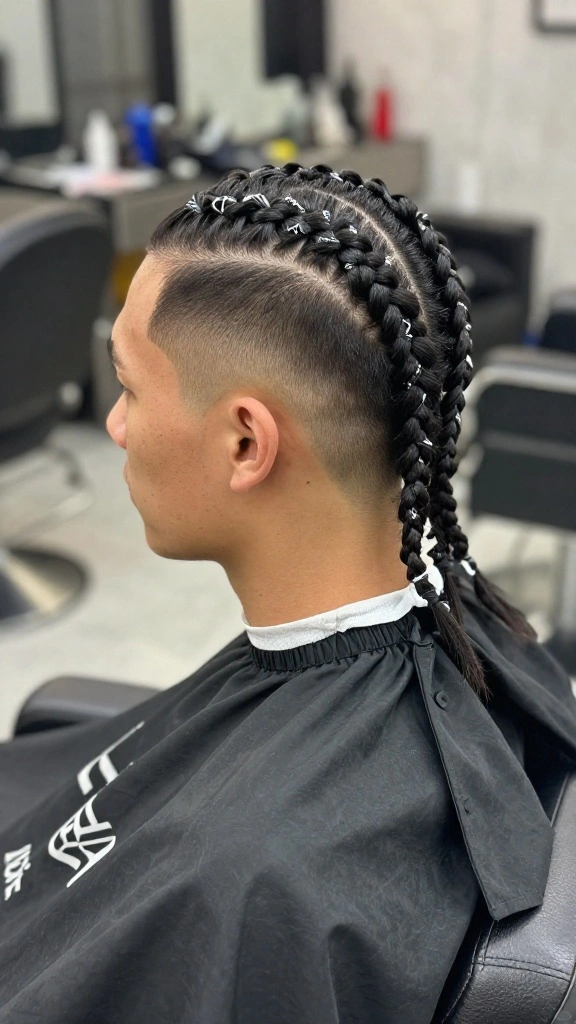
The two braids style creates symmetry and balance. Create a braid on each side of your head, starting from the temples or crown. Both braids can be identical or slightly different depending on your preference. This style frames your face and creates a youthful, playful appearance.
Two braids work wonderfully on short hair because they add texture without overwhelming your features. The symmetrical placement is flattering for most face shapes. This style suits casual occasions and everyday wear. You can wear the braids down, tucked behind your ears, or secured in the back.
Conclusion
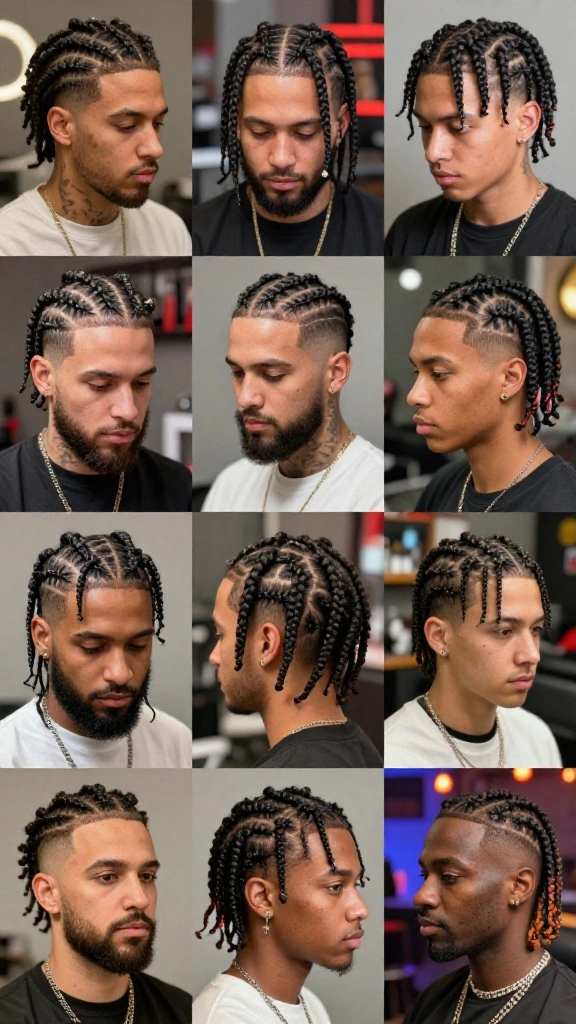
Braided hairstyles are not just for long hair; they can be incredibly stylish and versatile for short hair as well. From classic looks like the three-strand braid to bold styles like the braided mohawk, there are plenty of options to express your individuality. Each of these styles can be adapted to suit your personality, hair texture, and the occasions you’re dressing for. Whether you’re looking for something casual or formal, there’s a braided hairstyle out there perfect for you.
Embrace these trends, and don’t hesitate to experiment with different looks until you find the one that feels just right. Happy styling!