Growing natural hair takes time, patience, and the right approach. Many people struggle with slow growth, breakage, and damage from harsh chemicals or expensive salon treatments. The good news is that you can create effective growth solutions at home using simple, natural ingredients. This guide walks you through 26 proven DIY oils, treatments, and routines that support healthy hair growth from root to tip.
Whether you’re dealing with thinning edges, weak strands, or just want to accelerate your growth journey, these methods work with your hair’s natural texture instead of against it. You’ll learn which oils penetrate the scalp best, how to build a sustainable care routine, and why consistency matters more than any single product. Most ingredients are affordable and already in your kitchen or local store. By the end of this article, you’ll have a complete toolkit to support faster, stronger, healthier natural hair growth.
1. Jamaican Black Castor Oil Magic
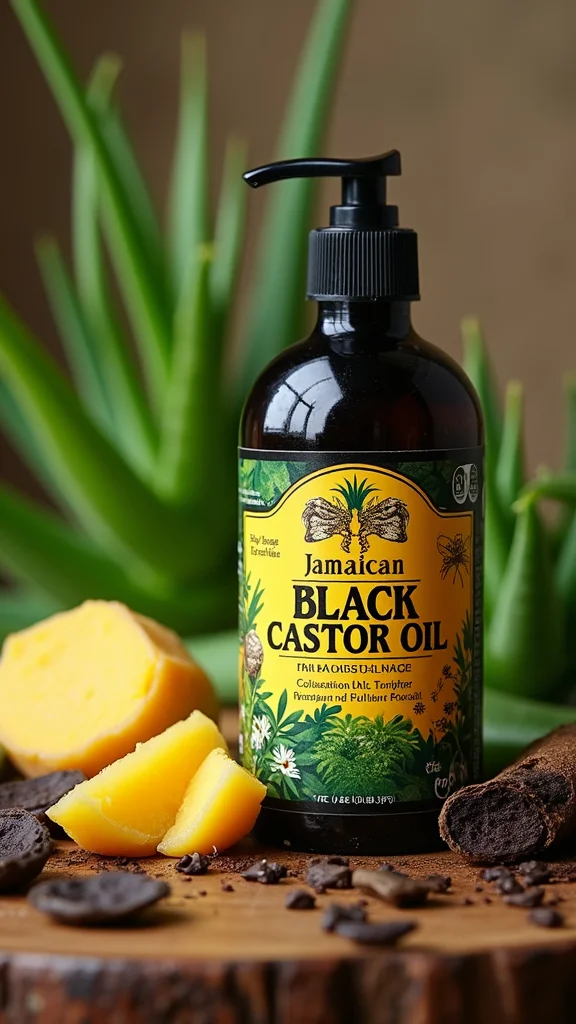
Jamaican black castor oil stands out because of its ash content and rich nutrient profile. This oil penetrates the scalp deeply and stimulates blood flow to hair follicles. Many people report thicker edges and faster growth within weeks of regular use.
Apply it directly to your scalp in small sections, massaging gently for five to ten minutes. You can leave it on overnight or for a few hours before shampooing. Mix it with a lighter oil like coconut or jojoba if it feels too heavy.
2. Essential Oil Blend for Scalp Health
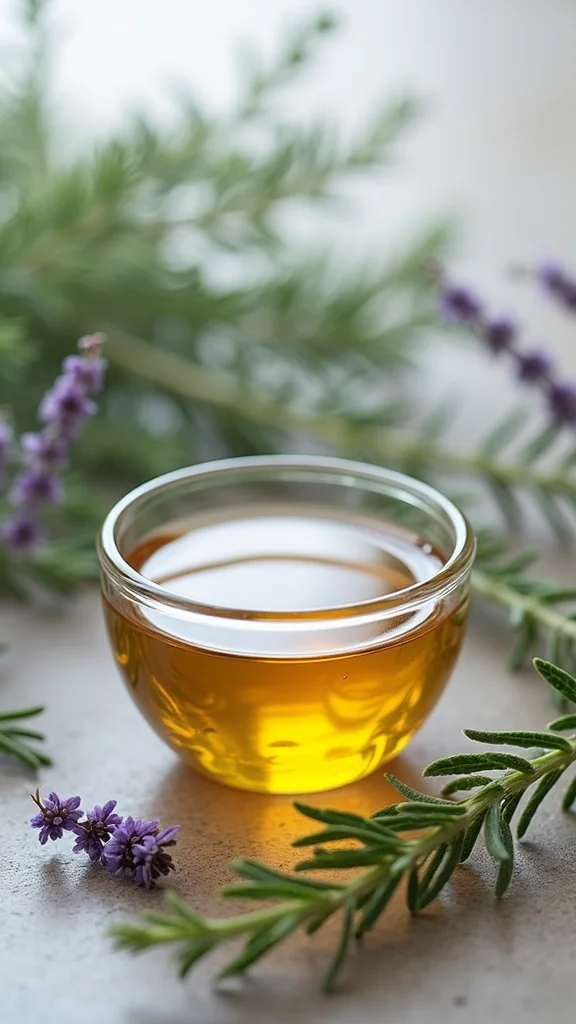
Essential oils boost circulation and create an environment where hair thrives. Rosemary, peppermint, and lavender are the top choices for growth support. Always dilute these potent oils in a carrier oil before applying to your scalp.
Mix five drops of rosemary oil, three drops of peppermint, and two drops of lavender into two tablespoons of coconut oil. Apply this blend to your scalp twice weekly. The cooling sensation from peppermint signals increased blood flow to your hair roots.
3. DIY Coconut Oil Deep Conditioner
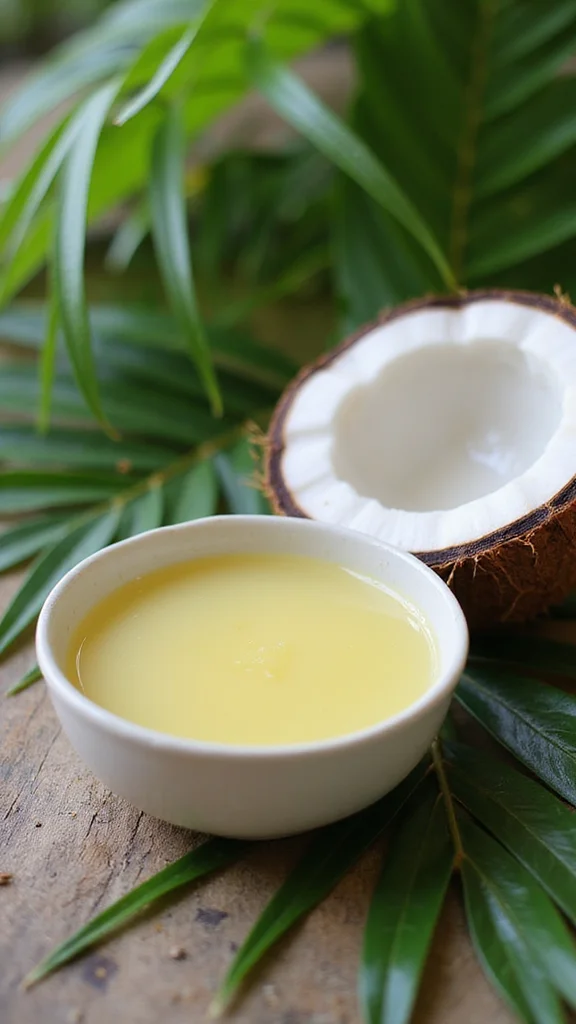
Coconut oil locks moisture into your strands and prevents protein loss during washing. This makes it especially useful for natural hair that tends to be drier than other hair types.
Warm two to three tablespoons of coconut oil and apply it from mid shaft to your ends, avoiding the scalp if your hair is fine. Leave it on for at least 30 minutes, or overnight for deeper conditioning. Shampoo thoroughly to remove all residue, as coconut oil can build up over time.
4. Olive Oil Overnight Treatment
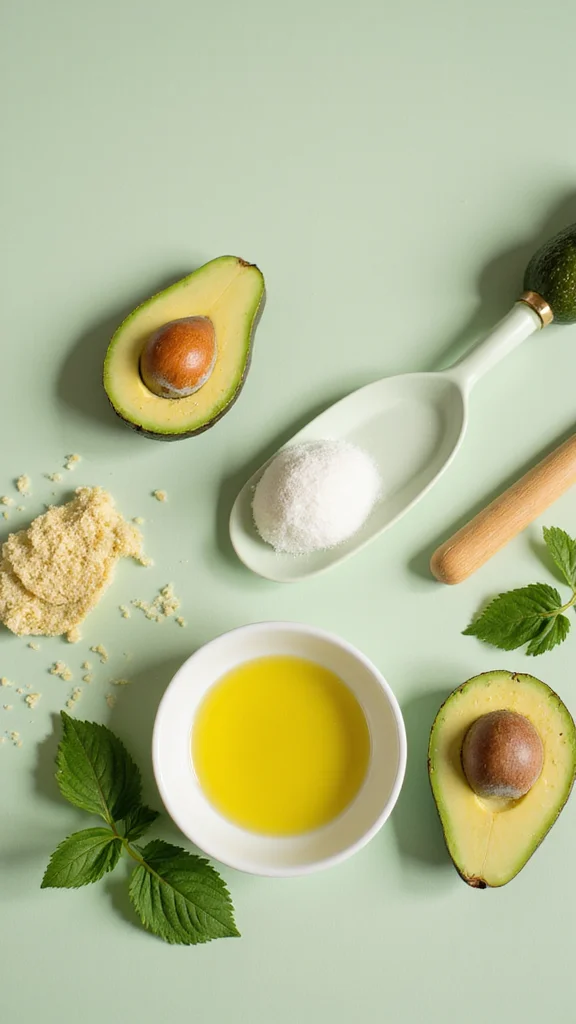
Olive oil is rich in antioxidants and fatty acids that repair damaged hair. An overnight treatment gives the oil time to penetrate deeply. Your hair wakes up softer, shinier, and more resilient.
Section your hair into four to six parts and apply olive oil to each section, focusing on mid lengths and ends. Wrap your hair in a silk or satin bonnet to protect your pillowcase and keep the oil in place. Wash it out in the morning with a gentle shampoo.
5. Avocado Oil for Nutrient Boost
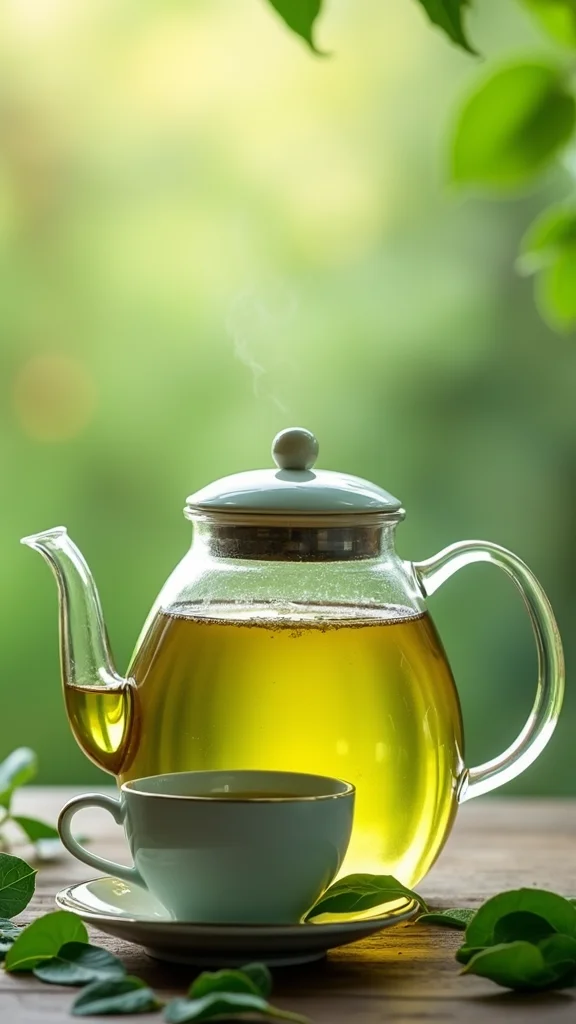
Avocado oil contains vitamins A, D, and E, plus potassium and lecithin. These nutrients strengthen hair from within and reduce breakage. The oil is lightweight enough for most hair types and absorbs quickly without leaving a greasy feel.
Use avocado oil as a pre-shampoo treatment or mix it into your leave-in conditioner. A little goes a long way, so start with a dime-sized amount and add more if needed. Your hair will feel stronger and look more vibrant within a few applications.
6. Tea Rinse for Scalp Cleansing
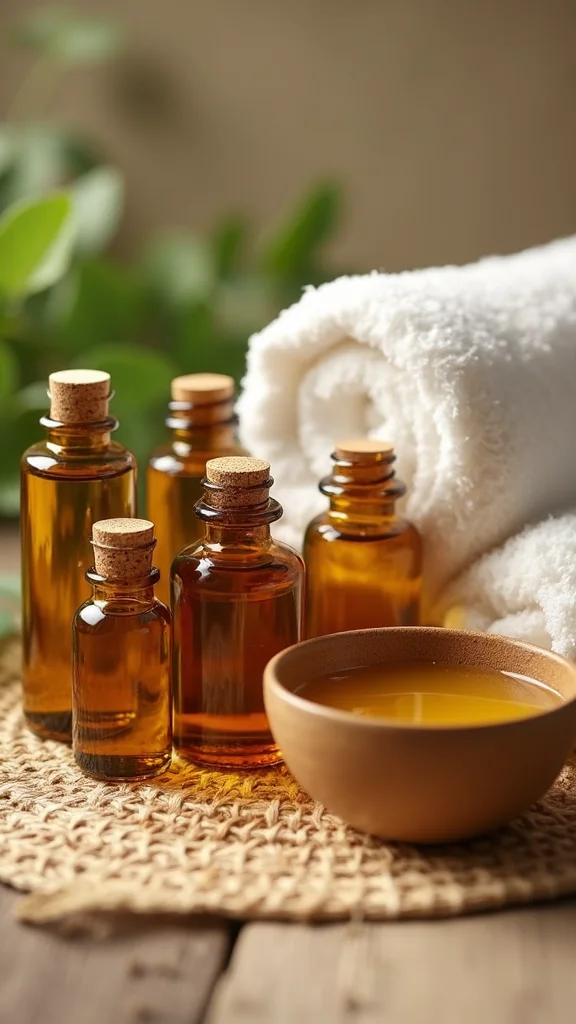
Tea rinses cleanse your scalp without stripping natural oils. Black tea, green tea, and herbal blends like nettle or hibiscus all offer unique benefits. The tannins in tea help tighten the scalp and promote a healthy environment for growth.
Brew a strong pot of your chosen tea and let it cool completely. After shampooing, pour the tea slowly over your hair, making sure it reaches your scalp. You can also use it as a final rinse to seal your cuticles and add shine.
7. Hot Oil Treatment for Intense Care
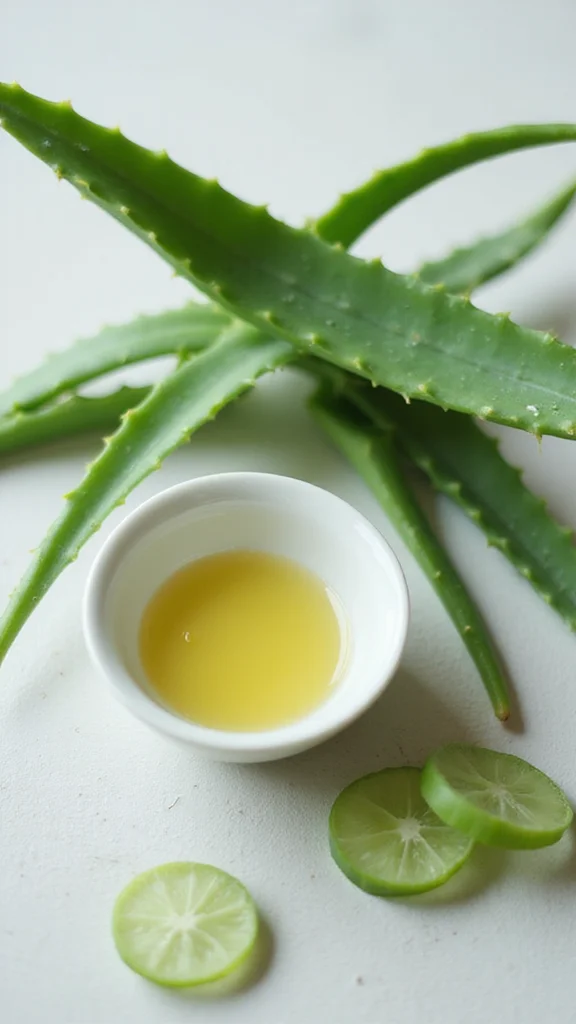
Hot oil treatments deliver maximum moisture and nutrients in one session. The warmth opens your hair cuticles and allows oils to penetrate more effectively. This is your go-to when your hair feels dry, brittle, or damaged.
Warm your chosen oil to a comfortable temperature (test it on your wrist first). Apply it section by section, starting at the scalp and working down to the ends. Cover your hair with a shower cap and sit under a warm towel for 20 to 30 minutes. Shampoo thoroughly afterward.
8. Aloe Vera Leave-In Conditioner
Aloe vera soothes an irritated scalp and provides lightweight hydration. It contains enzymes that remove dead skin cells and promote a cleaner scalp environment. Unlike heavy oils, aloe vera won’t weigh down fine or thin natural hair.
Mix fresh aloe vera gel with a few drops of your favorite essential oil and a tablespoon of water. Apply this mixture to damp hair, focusing on the ends and mid-lengths. You can leave it in all day or overnight.
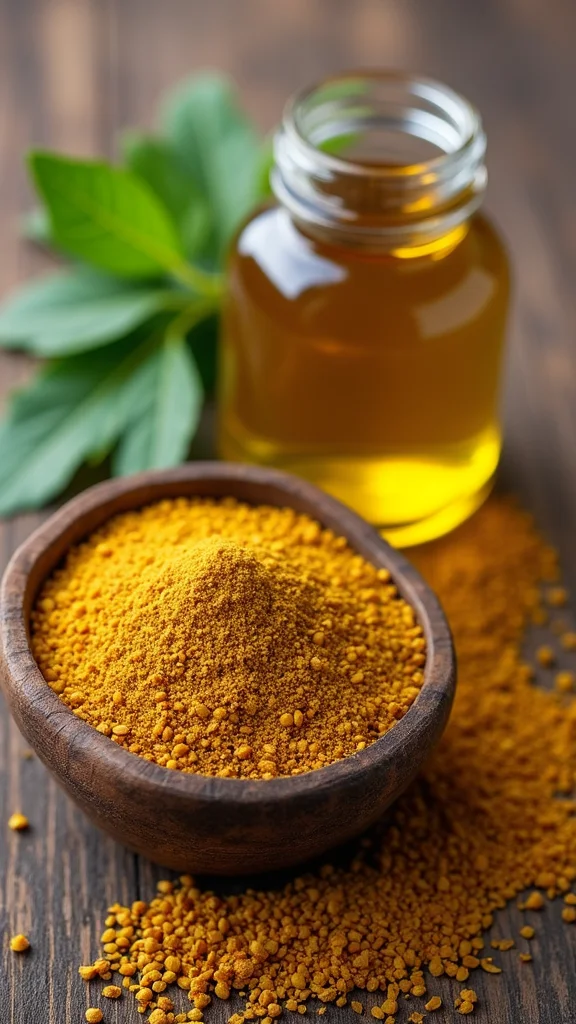
9. Fenugreek Seed Oil for Strength
Fenugreek seeds have been used for centuries to strengthen hair and promote growth. They contain proteins and nicotinic acid that nourish hair follicles. A fenugreek paste or oil treatment can transform weak, breaking hair in just a few weeks.
Soak fenugreek seeds overnight, then blend them into a smooth paste. Mix the paste with a carrier oil and apply it to your scalp and hair. Leave it on for 30 minutes to an hour before rinsing. The smell is strong, but the results are worth it.
10. Grapeseed Oil for Lightweight Hydration
Grapeseed oil is one of the lightest oils available, making it perfect for fine or thin natural hair. It absorbs quickly and doesn’t leave a greasy residue. Despite its light texture, it’s packed with linoleic acid and antioxidants that support hair health.
Use grapeseed oil as a daily leave-in conditioner or mix it into your styling products. A few drops on damp hair will add shine and reduce frizz. It’s also gentle enough to use on your scalp without causing buildup.
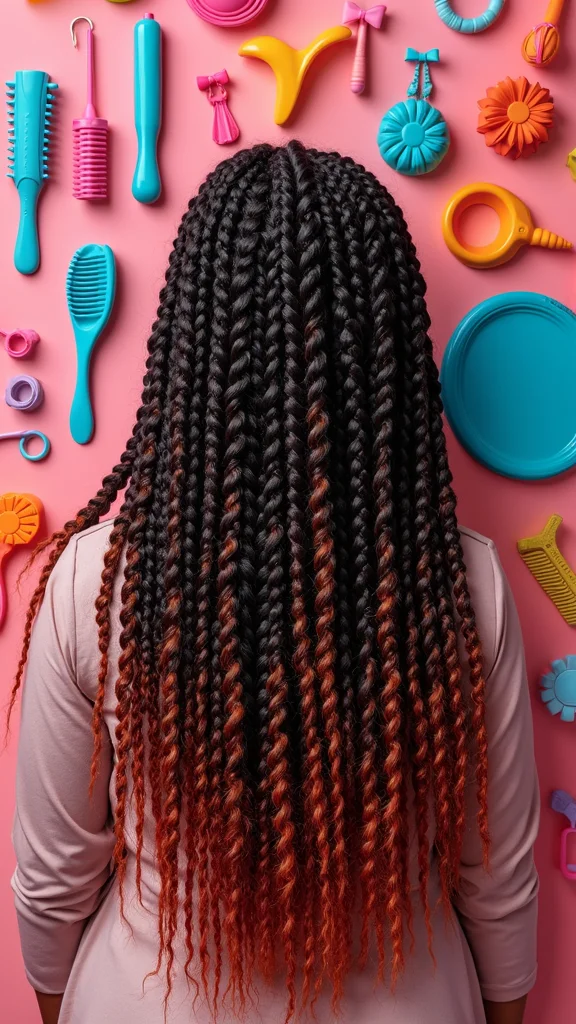
11. Protective Styles: Braids and Twists
Protective styling removes daily manipulation and reduces breakage. Braids, twists, and other low-manipulation styles give your hair a break while you focus on growth. The key is keeping the style loose enough that it doesn’t cause tension on your edges.
Wear protective styles for two to four weeks at a time, then take them down and give your hair a break. Keep your scalp clean and moisturized even while wearing protective styles. This combination of protection and care accelerates growth significantly.
12. Scalp Massages for Blood Circulation
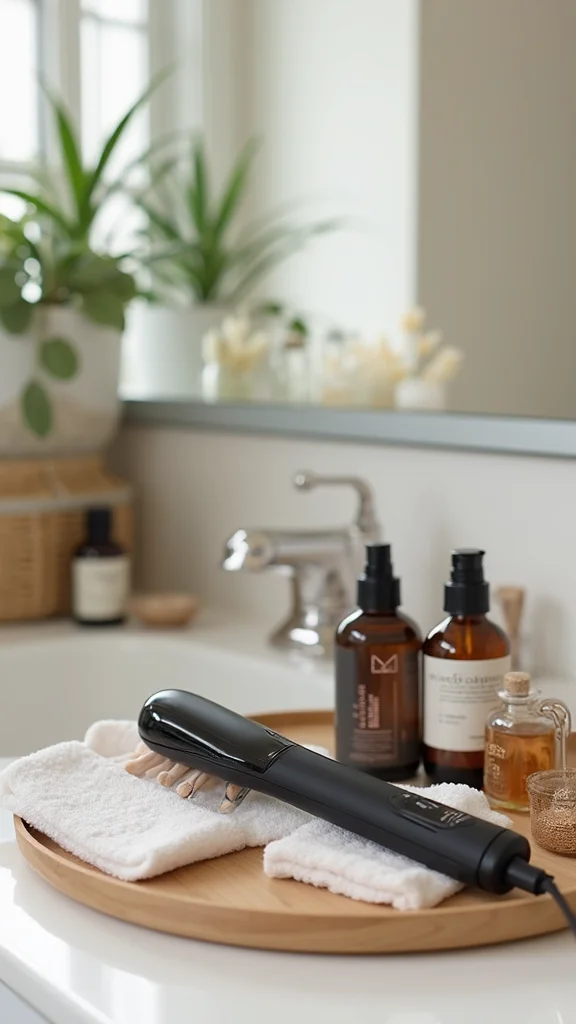
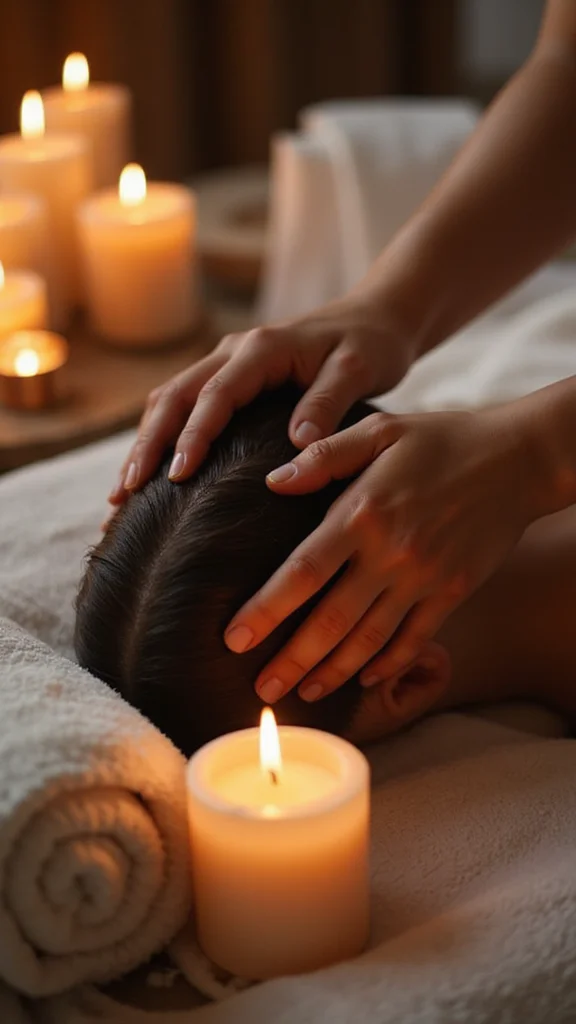
Scalp massages increase blood flow to your hair follicles, delivering more oxygen and nutrients. Just five to ten minutes of massage daily can make a noticeable difference in growth rate. This is one of the easiest and most cost-effective growth strategies.
Use your fingertips to massage your entire scalp in slow, circular motions. Start at your hairline and work backward toward your nape. You can do this while watching television or before bed. Combine it with an oil for extra benefits.
13. Avoiding Heat Damage with Care
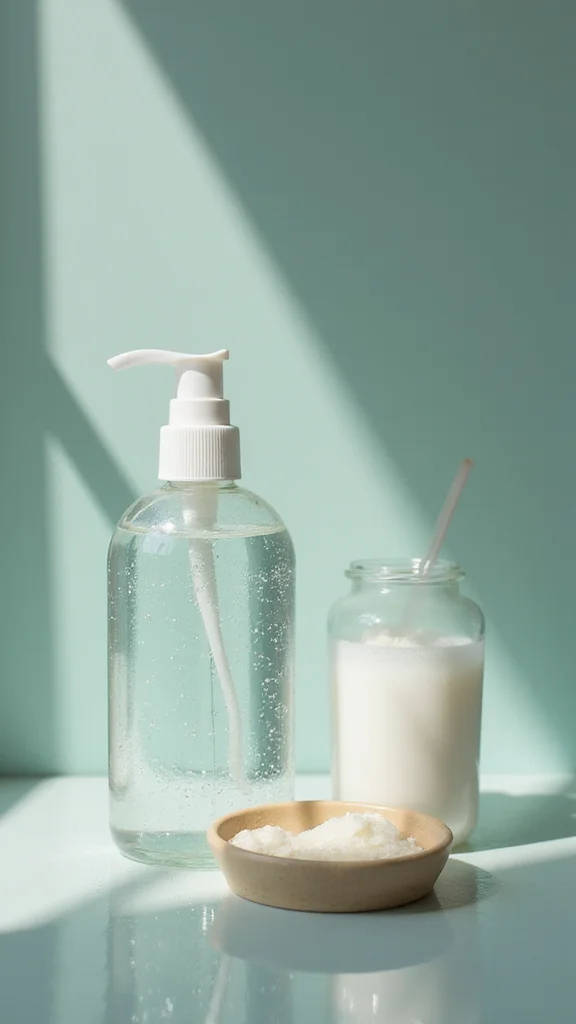
Heat styling breaks hair and slows growth. If you must use heat, always apply a heat protectant first and use the lowest effective temperature. Air drying and heat-free styling methods preserve your length and strength.
Embrace your natural texture and explore styles that don’t require heat. Twist-outs, braid-outs, and wash-and-go styles showcase your hair while keeping it healthy. When you do use heat, limit it to special occasions and always deep condition afterward.
14. Hydration is Key
Hydration is the foundation of healthy hair growth. Drinking enough water supports your scalp health and hair strength from the inside out. External hydration through moisturizing products is equally important for natural hair.
Aim for at least eight glasses of water daily and use a hydrating leave-in conditioner on damp hair. The LOC method (leave-in, oil, cream) locks moisture in effectively. Rehydrate your hair every few days, especially if you live in a dry climate.
15. Regular Trims to Avoid Split Ends
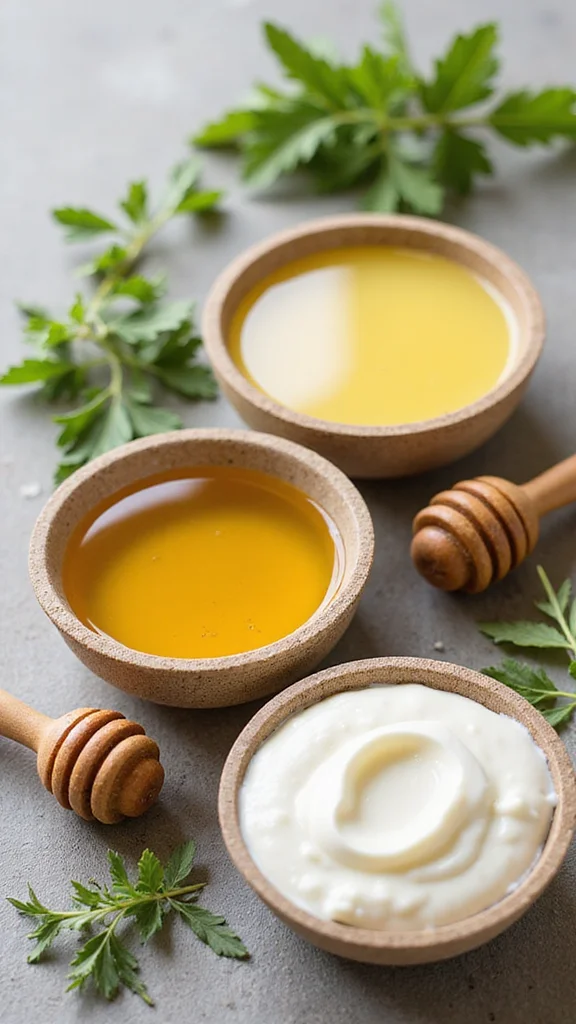
Trimming every eight to twelve weeks removes split ends before they travel up your hair shaft. This keeps your ends healthy and makes your hair look fuller and longer. Many people skip trims thinking it slows growth, but the opposite is true.
Schedule regular trims with a stylist who understands natural hair. If you prefer to trim at home, use sharp scissors and cut only a quarter inch at a time. Healthy ends mean your hair retains length better and grows stronger.
16. Natural Hair Masks for Nourishment

Hair masks deliver concentrated nutrition in one treatment. Honey, yogurt, avocado, and banana create masks that hydrate, strengthen, and add shine. These ingredients are food-grade and safe for your hair and scalp.
Mix honey with yogurt for a moisturizing mask or blend avocado with coconut oil for a strengthening treatment. Apply the mask to damp hair, cover with a shower cap, and leave it on for 20 to 30 minutes. Rinse with cool water to seal your cuticles.
17. Embracing Your Natural Texture
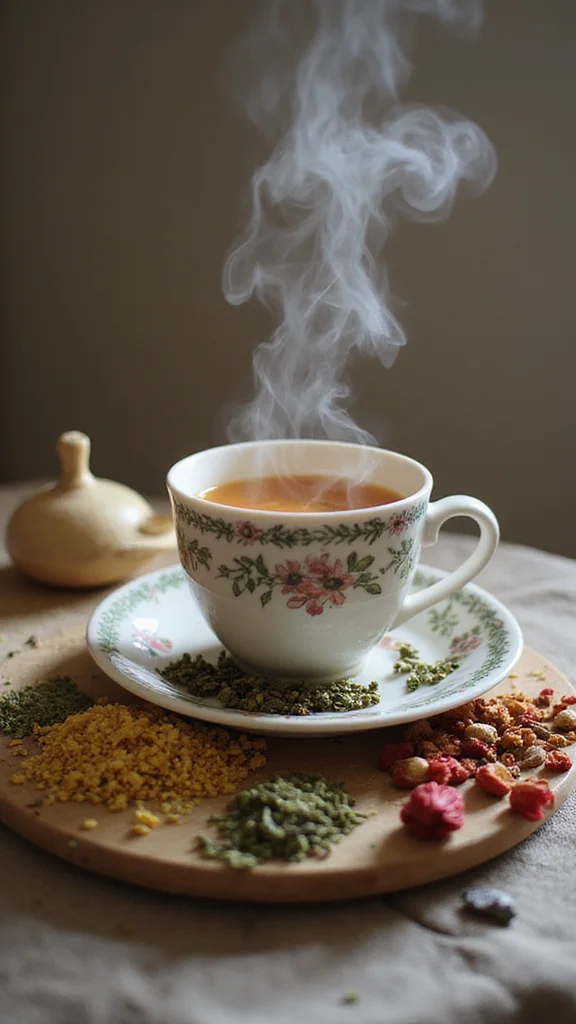
Your natural texture is your hair’s strongest form. Fighting your curl pattern with chemicals or heat causes damage and slows growth. Accepting and caring for your natural texture leads to faster, healthier growth.
Learn your hair’s porosity, density, and curl pattern. Choose products and routines designed for your specific texture. When you work with your hair instead of against it, growth happens naturally and your hair looks and feels its best.
18. Hydrating With Herbal Infusions
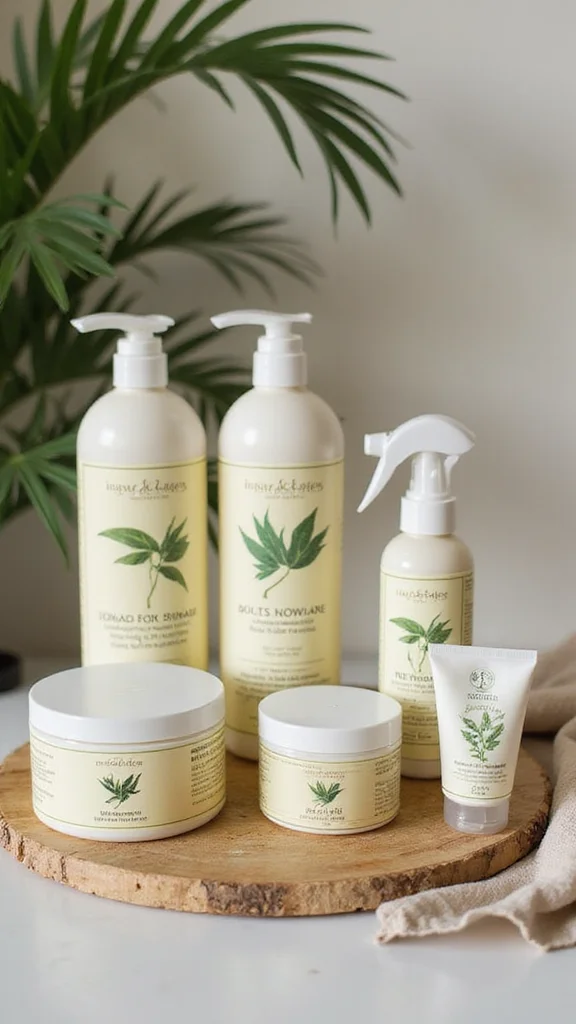
Herbal infusions provide targeted benefits for your specific hair needs. Nettle strengthens, hibiscus adds shine, and peppermint stimulates growth. You can drink these infusions or use them as rinses for double benefits.
Steep dried herbs in hot water for 15 to 20 minutes, then strain and cool. Use the infusion as a final rinse after shampooing or drink it as a tea. Herbal infusions are affordable and can be made in large batches and stored in the refrigerator.
19. Choosing the Right Products
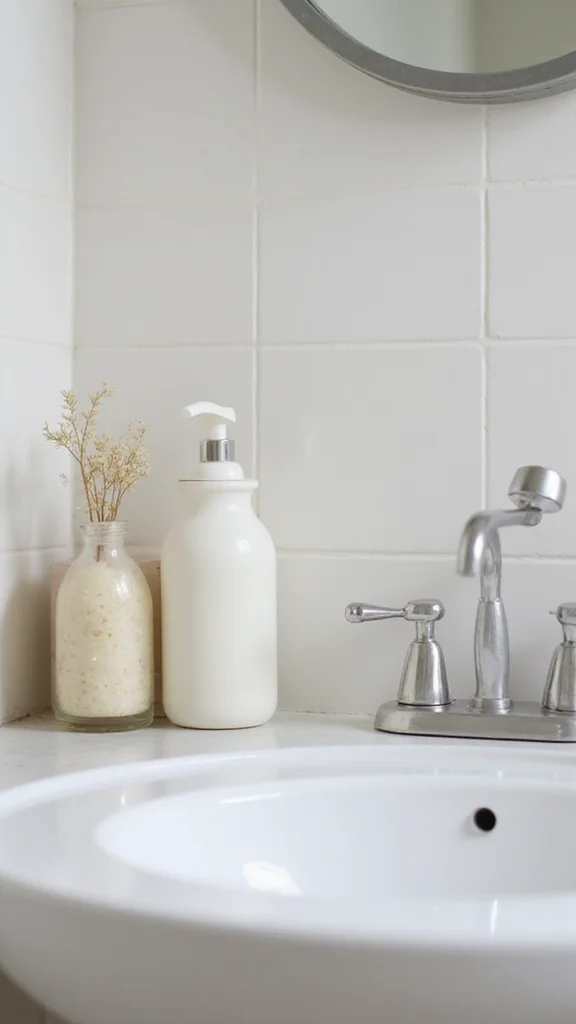
Not all products work for all hair types. Read ingredient lists and avoid sulfates, parabens, and silicones that can build up and slow growth. Look for products with natural oils, butters, and plant-based ingredients.
Do a patch test before using any new product. Your hair may react differently than someone else’s. Keep a journal of what works and what doesn’t. Over time, you’ll build a routine with products that truly support your growth goals.
20. Avoiding Over-Washing
Washing too frequently strips your scalp of natural oils and dries out your hair. Most natural hair thrives on a weekly or bi-weekly wash schedule. Over-washing is one of the biggest obstacles to growth.
Extend time between washes by using dry shampoo or refreshing sprays. When you do wash, use lukewarm water and a gentle sulfate-free shampoo. Co-washing (washing with conditioner only) is another option that keeps your hair cleaner without stripping oils.
21. Nighttime Care Techniques

What you do at night affects your hair’s health and growth. Sleeping on a silk or satin pillowcase reduces friction and breakage. A silk bonnet or pineapple style (loose high ponytail) protects your hair while you sleep.
Establish a nighttime routine that includes moisturizing your hair and protecting it from friction. This simple step prevents unnecessary breakage and helps you retain length. Many people see noticeable growth improvements just by changing their pillowcase.
22. Nutrition for Hair Growth

Hair growth starts from within. Eating protein, healthy fats, and vitamins supports strong hair from the root. Eggs, salmon, nuts, leafy greens, and berries are all excellent for hair health.
Include biotin, iron, zinc, and vitamin D in your diet. These nutrients directly support hair growth and strength. If you have dietary restrictions, consider supplements after consulting with a healthcare provider. Nutrition and external care work together for best results.
23. Reducing Stress for Healthy Growth

Stress triggers hair loss and slows growth. Managing stress through meditation, exercise, or hobbies supports your hair health. Your scalp and hair respond to your overall wellness.
Make time for activities that calm your mind and body. Yoga, walking, journaling, and spending time in nature all reduce stress. When you prioritize your mental health, your hair benefits along with the rest of your body.
24. Patience and Consistency

Hair growth takes time. Most people see noticeable results after three to six months of consistent care. Patience combined with consistency is what separates people who succeed from those who give up.
Stick with your routine even when you don’t see immediate results. Take progress photos monthly to track changes you might not notice day to day. Celebrate small wins like reduced breakage or improved shine.
25. The Power of Community Support

Connecting with others on a natural hair journey provides motivation and practical advice. Online communities, local meetups, and social media groups offer support and inspiration. Shared experiences help you troubleshoot problems and stay committed.
Join a natural hair community that aligns with your values and goals. Share your journey and learn from others. The encouragement and knowledge you gain from community accelerates your growth journey.
26. Your Growth Journey Starts Now
You now have 26 proven strategies to accelerate your natural hair growth. The combination of oils, treatments, protective styling, and lifestyle habits creates an environment where your hair thrives. Start with the methods that resonate most with you and build from there.
Remember that your hair is unique. What works for someone else might need adjustment for your specific texture and needs. Be patient with yourself and your hair. Consistency over perfection is the real secret to faster, stronger, healthier natural hair growth.