Your skin works hard while you sleep. During nighttime hours, your body shifts into repair mode, and your skin follows suit. Cell turnover accelerates. Blood flow increases. This is when your skin becomes most receptive to treatment products. A solid nighttime routine harnesses this natural process and amplifies results.
This guide walks you through 25 actionable strategies to build a nighttime routine that delivers visible results. You’ll learn which products matter most, how to layer them correctly, and which habits amplify their effectiveness. Some tips are straightforward. Others might surprise you. By the end, you’ll have a complete blueprint for waking up with skin that looks refreshed, hydrated, and genuinely glowing.
1. Eye Creams Matter
The skin around your eyes is thinner and more delicate than anywhere else on your face. It shows age faster and needs targeted care. A dedicated eye cream addresses fine lines, puffiness, and dark circles that general moisturizers simply cannot reach.
Apply eye cream with your ring finger, using gentle tapping motions. Never drag or pull the skin. A pea-sized amount is enough for both eyes. Let it absorb for a minute before moving to the next step in your routine. This small addition makes a measurable difference over time.
2. Don’t Neglect Your Lips

Lips lack oil glands, which means they dry out faster than any other facial feature. Nighttime is the best opportunity to restore moisture and repair damage from the day. A nourishing lip treatment overnight allows your lips to recover fully.
Choose a balm with ingredients like beeswax, shea butter, or ceramides. Apply generously before bed. You’ll wake with softer, smoother lips. This simple step prevents chapping and keeps your lips looking healthy and full.
3. Know Your Skin Type
You cannot build an effective routine without understanding your skin. Is it oily, dry, combination, or sensitive? Each type requires different products and approaches. Oily skin needs lightweight, non-comedogenic formulas. Dry skin craves rich, occlusive treatments. Combination skin demands balance.
Spend time observing your skin over a week. Notice where it feels tight, where it shines, and how it reacts to products. This knowledge guides every purchase and application decision moving forward. Guessing wastes money and time.
4. Set the Mood

Your skincare routine is not just about products. It’s about creating a ritual that signals to your body that it’s time to wind down. Dim the lights. Light a candle. Play soft music. These sensory cues activate your parasympathetic nervous system, which reduces stress and improves sleep quality.
When you’re relaxed, your skin benefits too. Stress hormones like cortisol trigger inflammation and breakouts. A calm evening routine counteracts this. You’re not just treating your skin. You’re treating your whole system.
5. Sleep on Silk

Cotton pillowcases create friction that wrinkles skin and causes breakouts. Silk pillowcases are smoother and gentler. They reduce creasing and allow your skin to glide freely as you move during sleep. This small change prevents sleep lines from becoming permanent wrinkles.
Silk also helps your hair. It reduces frizz and breakage. The investment in a quality silk pillowcase pays dividends across your entire appearance. Wash it weekly to maintain its benefits.
6. Hydrate from Within

Topical products are only half the equation. Your skin needs hydration from the inside out. Drink water throughout the day, not just before bed. Proper hydration supports cell function, aids nutrient transport, and helps your skin maintain its natural barrier.
Most people don’t drink enough water. Aim for at least eight glasses daily, more if you exercise or live in a dry climate. Your skin will look plumper, more luminous, and more resilient. Hydration is the foundation everything else builds upon.
7. Stay Consistent

Results take time. Skin cells turn over every 28 days, so meaningful changes require at least four to six weeks of consistent effort. Many people abandon routines after two weeks because they don’t see instant results. That’s a mistake.
Commit to your routine for at least six weeks before evaluating effectiveness. Write it down. Set phone reminders. Make it non-negotiable. Consistency compounds. Small daily actions create dramatic transformations over months.
8. Consider a Night Mask
Night masks are heavier than regular moisturizers and designed to stay on your skin for hours. They deliver concentrated doses of hydration and active ingredients while you sleep. This is when your skin is most receptive to absorption.
Use a night mask two to three times weekly, or nightly if your skin is very dry. Apply after your serum and before bed. Wake up with noticeably softer, more hydrated skin. Night masks are particularly effective for addressing dryness and dullness.
9. Don’t Forget Your Neck and Decolletage
The neck and chest age faster than the face because people rarely apply sunscreen or skincare products to these areas. Yet they’re just as exposed to sun damage and environmental stress. Include them in your nighttime routine.
Apply your toner, serum, and moisturizer down to your collarbone. Use the same products you use on your face. This extended application prevents a visible line of demarcation between your face and neck. It also keeps these delicate areas looking youthful and even-toned.
10. Oils for Nourishment

Facial oils are not just for dry skin. Even oily skin benefits from the right oil. Oils penetrate deeply and deliver fat-soluble vitamins and antioxidants that water-based products cannot. They also strengthen your skin barrier, which is crucial for healthy skin.
Choose oils suited to your skin type. Jojoba oil works for most skin types. Rosehip oil is excellent for aging skin. Argan oil suits combination skin. Apply a few drops after your moisturizer. Oils seal in hydration and provide lasting nourishment.
11. Don’t Skip Moisturizer
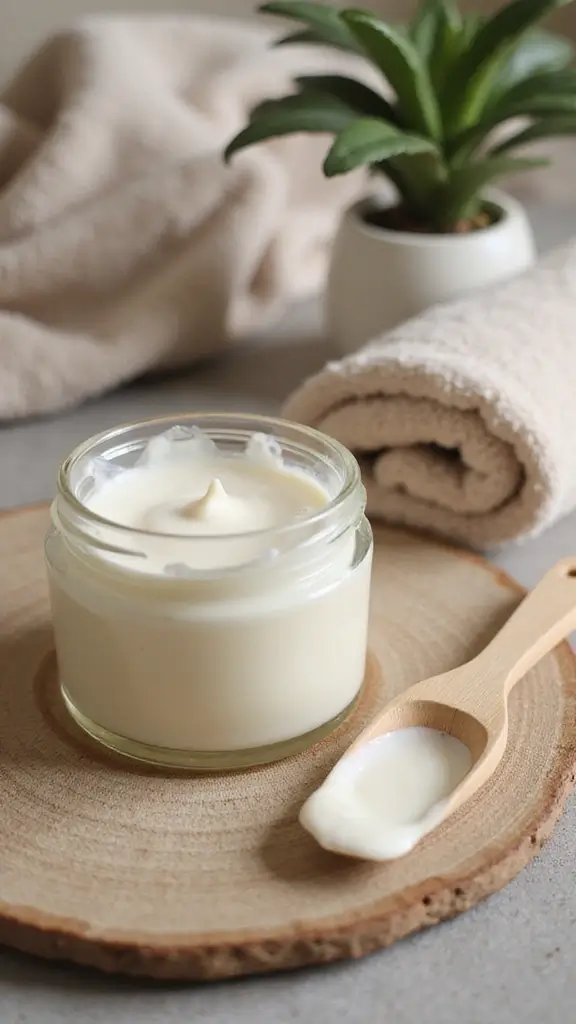
Moisturizer is non-negotiable, even for oily skin. It locks in hydration and supports your skin barrier. A compromised barrier leads to sensitivity, irritation, and breakouts. Nighttime is when your skin loses the most water, making moisturizer essential.
Choose a formula appropriate for your skin type. Lightweight gels work for oily skin. Rich creams suit dry skin. Apply to damp skin to maximize absorption. This step prevents overnight water loss and supports your skin’s repair processes.
12. The Magic of Serums

Serums are concentrated formulas that deliver high levels of active ingredients. They penetrate deeply and address specific concerns like fine lines, hyperpigmentation, or dehydration. A good serum transforms your routine.
Apply serum to clean, damp skin before moisturizer. Use just a few drops. Serums are potent, so a little goes a long way. Wait a minute for absorption before layering other products. Serums are where you invest in targeted treatment.
13. Tone to Balance
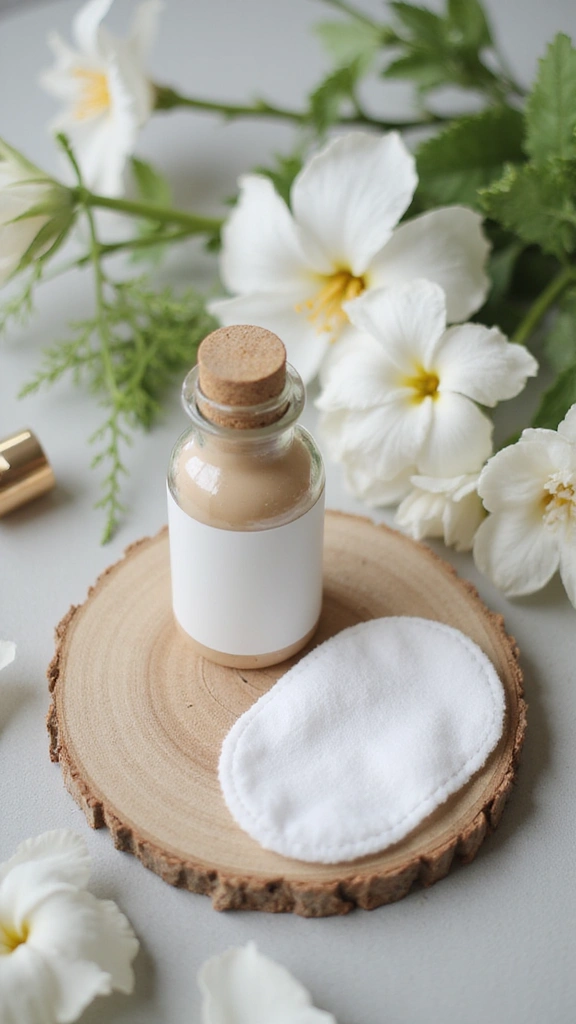
Toners remove residual impurities and balance your skin’s pH after cleansing. They prepare your skin to absorb subsequent products more effectively. Modern toners are hydrating and beneficial, not harsh or drying like older formulations.
Apply toner with a cotton pad or by patting it in with your hands. This step takes 30 seconds but significantly improves product efficacy. A good toner leaves your skin feeling refreshed and primed for serums and moisturizers.
14. Exfoliate for Radiance
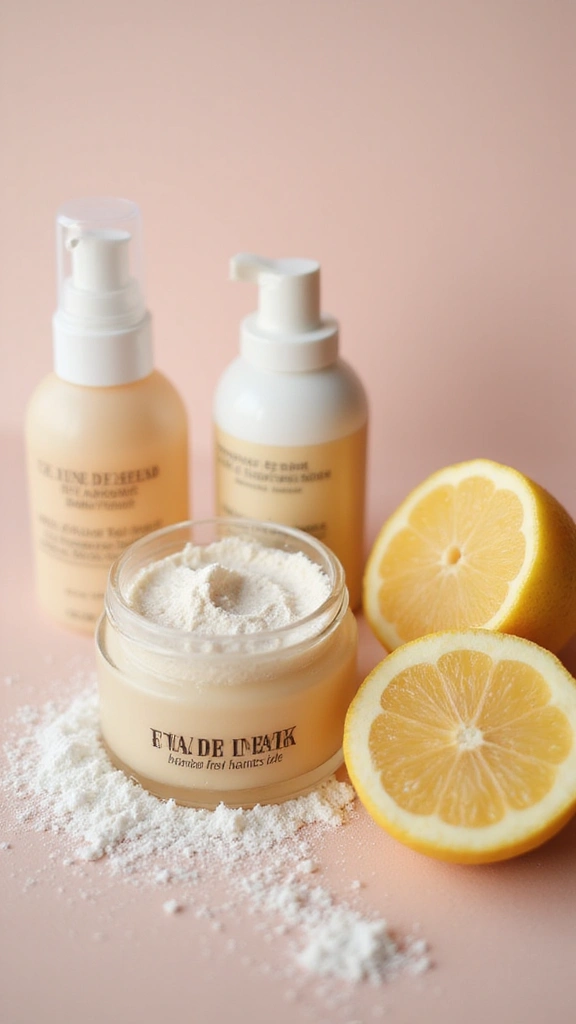
Exfoliation removes dead skin cells that dull your complexion and clog pores. Nighttime exfoliation is ideal because your skin repairs itself overnight. Use gentle chemical exfoliants like AHAs or BHAs rather than harsh physical scrubs.
Exfoliate two to three times weekly, not daily. Over-exfoliation damages your barrier and causes irritation. Start slowly and increase frequency as your skin adapts. Exfoliation reveals fresher, brighter skin underneath.
15. Cleanse Like a Pro
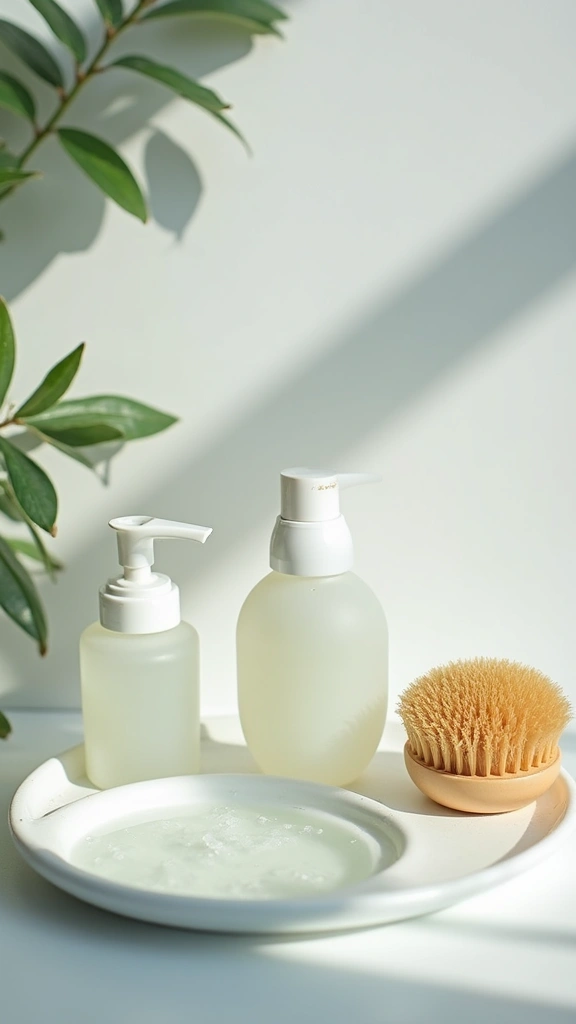
Cleansing is the foundation of any skincare routine. You must remove makeup, oil, and environmental pollutants before applying treatment products. A thorough cleanse allows your skin to breathe and absorb subsequent products.
Use a gentle cleanser appropriate for your skin type. Massage it in for 60 seconds, then rinse with lukewarm water. Pat dry gently. Never skip this step, even if you’re tired. A clean canvas is essential for everything that follows.
16. Celebrate Your Skin

Your relationship with your skin matters. Approach your routine with gratitude rather than criticism. Your skin works hard to protect you. Celebrate its resilience and beauty rather than fixating on flaws.
This mindset shift reduces stress, which directly improves skin health. When you treat your skincare routine as a form of self-love rather than a chore, you’re more likely to stay consistent. You’ll also enjoy the process more, which enhances its benefits.
17. Don’t Stress Out

Stress triggers cortisol release, which increases oil production and inflammation. This leads to breakouts and accelerates aging. Managing stress is as important as any skincare product. Your nighttime routine should be a stress-relief tool.
Practice deep breathing while you apply your products. Meditate for five minutes. Journal about your day. These practices calm your nervous system and improve sleep quality. Better sleep means better skin repair and regeneration.
18. Experiment with Sleep Schedules

Your skin repairs most actively between 11 PM and 3 AM. Going to bed earlier allows you to maximize this window. Aim for seven to nine hours of sleep nightly. Consistent sleep schedules improve skin health more than irregular patterns.
Track how your skin responds to different sleep times. You might notice clearer skin when you sleep earlier. Prioritize sleep as a skincare investment, not a luxury. Your skin will thank you with improved clarity and radiance.
19. Keep Your Products Clean
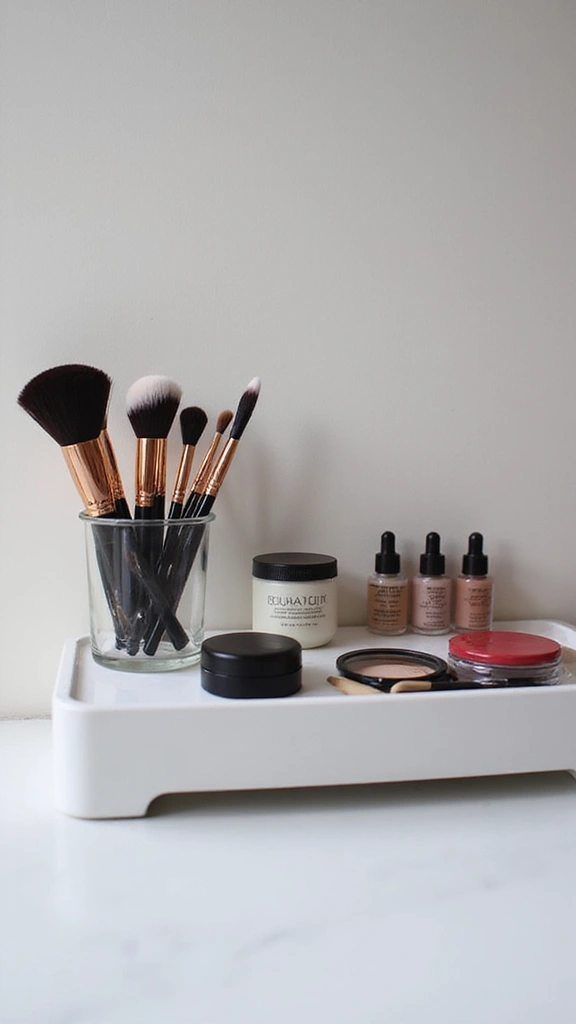
Dirty applicators and containers introduce bacteria to your products, which then transfer to your skin. This causes breakouts and infections. Clean your tools regularly and keep product containers sealed tightly.
Wash your hands before applying skincare products. Replace cotton pads frequently. If you use a jade roller or gua sha tool, sanitize it weekly. These simple hygiene practices prevent unnecessary skin problems and extend product shelf life.
20. Seek Professional Help When Needed

Some skin concerns require professional intervention. Severe acne, persistent rosacea, or significant aging signs benefit from dermatologist expertise. A professional can recommend prescription treatments or procedures that over-the-counter products cannot provide.
Don’t hesitate to consult a dermatologist if your routine isn’t delivering results after six weeks. A professional assessment saves time and money by directing you toward what actually works for your specific skin.
21. Give Your Skin Time to Breathe

Your skin doesn’t need products 24/7. Occasionally, give it a break. One night weekly, use only a gentle cleanser and moisturizer. Skip serums, masks, and oils. This allows your skin barrier to reset and prevents product overload.
Skin that’s constantly bombarded with actives becomes sensitized and reactive. Strategic simplification strengthens your barrier and improves overall skin health. Your skin will feel calmer and more resilient.
22. Pay Attention to Ingredients
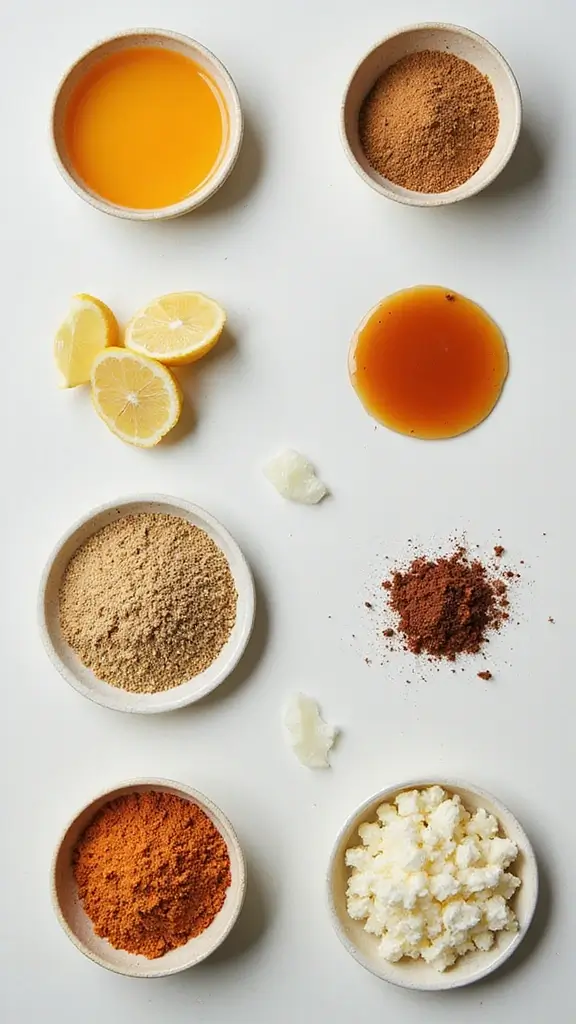
Not all products are created equal. Read ingredient lists and understand what you’re applying. Ingredients like retinol, niacinamide, hyaluronic acid, and peptides have strong scientific backing. Avoid products with excessive fragrance or alcohol, which irritate skin.
Learn which ingredients address your specific concerns. This knowledge prevents wasteful purchases and ensures your routine actually targets your needs. Quality ingredients cost more, but they deliver better results.
23. Use Sunscreen During the Day

Nighttime skincare is only half the equation. Daytime sun protection is equally crucial. UV damage causes wrinkles, age spots, and skin cancer. Daily sunscreen is non-negotiable, even on cloudy days.
Apply broad-spectrum SPF 30 or higher every morning. Reapply every two hours if you’re outdoors. This single habit prevents more aging than any nighttime product. Your nighttime routine repairs damage, but sunscreen prevents it from happening in the first place.
24. Avoid Heavy Meals Before Bed

Heavy meals before bed disrupt sleep quality and trigger inflammation. Poor sleep impairs skin repair and increases cortisol. Eat your last substantial meal at least three hours before bedtime.
If you’re hungry before bed, choose light options like yogurt, nuts, or fruit. Avoid caffeine, alcohol, and sugar, which interfere with sleep. Better sleep directly translates to clearer, more radiant skin.
25. Incorporate Facial Massage

Facial massage boosts circulation and lymphatic drainage, which enhances nutrient delivery and toxin removal. It also feels wonderful and reduces tension. Spend two minutes massaging your face during your nighttime routine.
Use upward strokes and gentle pressure. Focus on areas that hold tension, like your jaw and temples. Massage improves product absorption and leaves your skin glowing. It’s a simple addition that amplifies your entire routine’s effectiveness.



Leave a Reply