
Blonde highlights paired with bangs create a striking transformation that works across multiple face shapes and hair textures. This combination brings dimension, movement, and fresh energy to your overall look. Whether you’re seeking a subtle refresh or a bold statement, understanding how to blend these two elements is essential for achieving salon-quality results.
The beauty of this approach lies in its versatility. Bangs frame the face and draw attention to your eyes, while blonde highlights add depth and catch light beautifully. Together, they create a cohesive style that feels modern yet timeless. This guide walks you through selecting the right bang style, choosing highlight placement, and maintaining your new look for weeks to come.
The Science Behind Blonde Highlights

Blonde highlights work by lifting sections of your hair to a lighter shade while keeping the base darker. This creates dimension and the illusion of thicker, fuller hair. The placement of highlights dramatically affects the final look. Face-framing highlights brighten your complexion and draw focus to your eyes and cheekbones.
Balayage highlights offer a more natural, sun-kissed appearance with less maintenance than traditional foil highlights. This hand-painted technique allows your stylist to place color exactly where you want it. Babylights, which are thinner, more delicate highlights, create a softer, more blended effect that looks like natural lightening from sun exposure.
The chemistry of hair lightening involves opening the hair cuticle and removing natural pigment through oxidation. Professional stylists understand how different hair types respond to lightening and can predict how your specific hair will process. Darker hair requires stronger developer and longer processing times, while lighter hair lifts more quickly. Some people achieve their goal blonde in one session, while others need multiple appointments spaced weeks apart to reach their target shade while maintaining hair health.
Combining Bangs and Highlights for Maximum Impact

When bangs and highlights work together, they amplify each other’s effect. Highlights placed through the bangs themselves create a focal point that immediately draws the eye upward. This technique is especially effective for those wanting to emphasize their eyes and upper face.
Layering your bangs with highlights creates texture and movement that feels intentional and polished. Shorter, choppy layers combined with strategic highlights give an edgy, modern vibe. Longer, softer bangs with subtle highlights offer a more romantic, effortless aesthetic.
The interplay between bangs and highlights creates visual depth that enhances facial features. When highlights are concentrated near the face and throughout the bangs, they draw attention upward and create a lifted, youthful appearance. The contrast between darker roots and lighter highlights becomes more pronounced when framed by bangs, making the color work appear more intentional and expensive.
Maintenance and Care for Blonde Bangs

Blonde hair requires dedicated care to maintain its color and health. Purple or violet toning shampoos neutralize unwanted yellow and brassy tones that develop over time. Use these products once or twice weekly, depending on how quickly your blonde fades. Regular deep conditioning treatments restore moisture that bleaching strips away, keeping your bangs soft and manageable.
Trim your bangs every two to three weeks to maintain their shape and prevent them from becoming too long or unruly. Between trims, use light hairspray to keep bangs in place without weighing them down. Avoid excessive heat styling when possible, as blonde hair is more fragile after lightening. When you do use heat tools, always apply a heat protectant spray first.
Establishing a comprehensive hair care routine extends the life of your color. Wash your hair in lukewarm or cool water rather than hot water, which opens the hair cuticle and allows color molecules to escape. Limit washing to two or three times weekly if possible, using dry shampoo on non-wash days. Invest in sulfate-free shampoos and conditioners specifically formulated for color-treated hair. Weekly deep conditioning masks or oils restore moisture and prevent the dryness that can make bangs look dull or damaged.
Styling Techniques for Everyday Wear

Styling your bangs daily doesn’t require complicated techniques. A round brush and blow dryer create soft waves that add dimension and movement. Blow dry your bangs to the side for a relaxed, effortless look, or straight down for a more dramatic effect.
Texturizing sprays add grip and hold without the stiffness of traditional hairspray. Dry shampoo adds volume and absorbs excess oil, making your bangs look fresher longer between washes. For special occasions, try curling your bangs slightly away from your face to create a polished, glamorous appearance.
Mastering a few simple styling techniques ensures your bangs look intentional every day. The side sweep is perhaps the most versatile bang style, requiring only a round brush and blow dryer to create a soft curve that flatters most face shapes. For a more dramatic look, use a flat iron to create sleek, straight bangs that make a bold statement. Textured bangs benefit from a curling iron or wand that creates soft waves and movement. Work in small sections and curl away from the face for a flattering effect.
Color Correction and Touch Ups

Root touch-ups become necessary every four to eight weeks, depending on your natural hair color and growth rate. Scheduling regular appointments prevents a stark contrast between your roots and highlighted sections. Your stylist can refresh highlights strategically, focusing on areas that fade fastest or where new growth is most visible.
If your blonde develops unwanted tones, a toner application can correct the issue without additional lightening. This is a gentler option that extends the life of your color between full highlight sessions. Brassy or yellow tones develop as your blonde fades, particularly in bangs that receive more sun exposure. A violet or ash toner neutralizes these warm tones and restores the cool blonde shade you’re aiming for.
Understanding the color correction process helps you make informed decisions about your maintenance schedule. Some stylists recommend toning every two to three weeks between full highlight sessions to maintain color vibrancy. If your blonde has turned too dark or orange, your stylist may recommend a color correction session that involves lightening again before applying the desired shade. Discuss with your stylist the best timeline for your specific hair and lifestyle to keep your blonde looking fresh without over-processing.
Choosing the Right Blonde Shade for Your Skin Tone

Your skin tone determines which blonde shades will look most flattering. Cool skin tones with pink or red undertones suit platinum, ash, and cooler blonde shades beautifully. Warm skin tones with golden or olive undertones look stunning in honey, golden, and buttery blonde shades that complement your natural warmth.
Neutral skin tones have the flexibility to wear both cool and warm blondes, though you may find one feels more natural than the other. Test different shades by holding swatches near your face in natural light before committing. Your stylist can also show you before and after photos of clients with similar skin tones wearing different blonde shades.
The relationship between your natural hair color and chosen blonde shade affects the final result. Those with naturally dark hair may need multiple sessions to reach very light blonde shades, while those with naturally lighter hair can achieve platinum blonde more quickly. Your stylist can explain the realistic timeline for your specific hair and recommend interim shades that look beautiful while you work toward your goal. Consider also how your blonde will look as it fades and grows out, as some shades fade to beautiful tones while others become brassy or dull.
Bang Styling for Different Hair Types
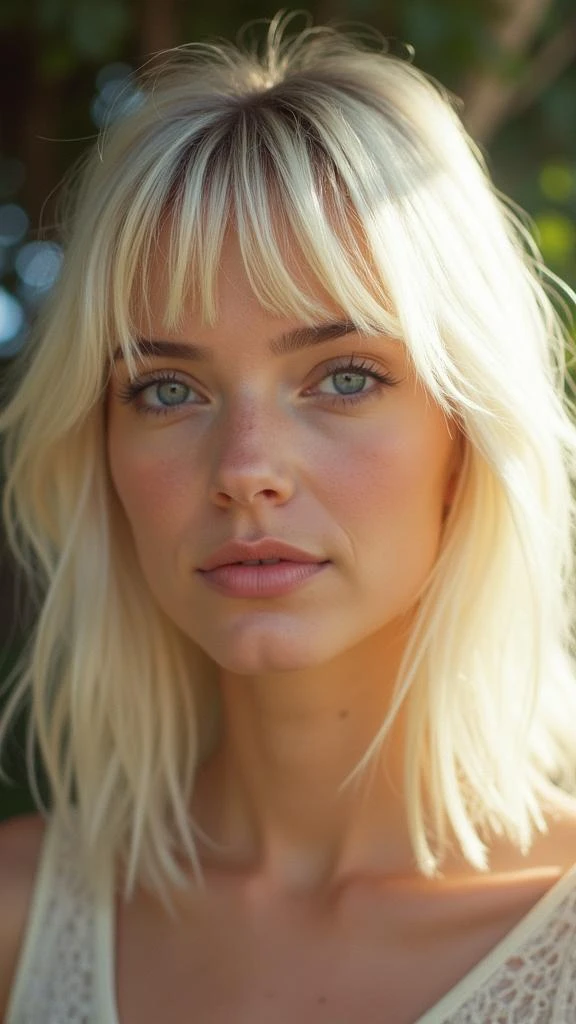
Straight hair holds bangs beautifully with minimal styling effort. A simple blow dry keeps them smooth and polished. Wavy hair benefits from bangs that work with the natural texture rather than fighting it. Choppy, layered bangs blend seamlessly with waves and require less daily styling. Curly hair needs bangs cut shorter and with more layers to prevent them from looking too heavy or obscuring your face.
Thick hair can handle blunt, full bangs that make a bold statement. Fine hair looks better with wispy, textured bangs that don’t weigh down the hair. Coarse hair pairs well with longer bangs that have movement and texture.
Your hair’s natural texture and density should guide your bang selection to ensure you can maintain the style realistically. Straight hair with fine texture works beautifully with wispy, textured bangs that create movement without requiring heavy styling products. Curly hair presents unique challenges for bangs because curls can obscure the face if bangs are too long or heavy. Shorter, heavily layered bangs work best, cut to fall just above the eyebrows when dry. Discuss your specific hair type with your stylist to ensure your chosen bang style is realistic to maintain and will look good as your hair grows out.
Professional Styling Tips from Salon Experts

Salon professionals use specific techniques to create polished, long-lasting results. They blow dry bangs in the direction they’ll naturally fall, using a round brush to add subtle curves. Flat irons create sleek, straight bangs when needed, while curling irons add waves and dimension.
Professionals also know how to cut bangs at the right angle to flatter your face. A slight angle rather than a blunt line creates movement and prevents bangs from looking too severe. They consider how your bangs will look as they grow out, ensuring the style remains flattering during the in-between stages.
Expert stylists employ advanced techniques that elevate your look beyond what most people can achieve at home. They understand how to use sectioning and tension while cutting to create bangs that fall perfectly when dry. They know which tools work best for different hair types and how to use them without causing damage. Professional blow drying involves understanding air flow direction, brush placement, and heat settings to create volume and movement that lasts. Many stylists also recommend specific products for your hair type and teach you how to recreate their styling at home.
Long-Term Maintenance and Style Evolution

Your blonde highlights and bangs require ongoing commitment to look their best. Schedule regular appointments every four to eight weeks for touch-ups and trims. This consistent maintenance prevents your style from looking grown out or tired. Between appointments, invest in quality hair products designed for blonde and highlighted hair.
As your style grows out, you have options for evolution. You might transition to longer bangs, try a different highlight placement, or adjust the blonde shade. Many people find they love their initial style so much they maintain it for years. Others enjoy experimenting with variations once they understand what works for their face and lifestyle.
Committing to this style long-term means developing sustainable maintenance habits and budgeting for regular salon visits. Most people find that the investment in professional care pays dividends in how they feel about their appearance and how their hair looks and feels. Establishing a relationship with a stylist who understands your goals and preferences makes maintenance easier and more enjoyable. As trends evolve, you can adjust subtle elements like highlight placement or bang length while keeping the overall style that flatters you. Regular trims every two to three weeks and color touch-ups every four to eight weeks are essential for keeping this style looking polished and intentional rather than grown out or neglected.


Leave a Reply