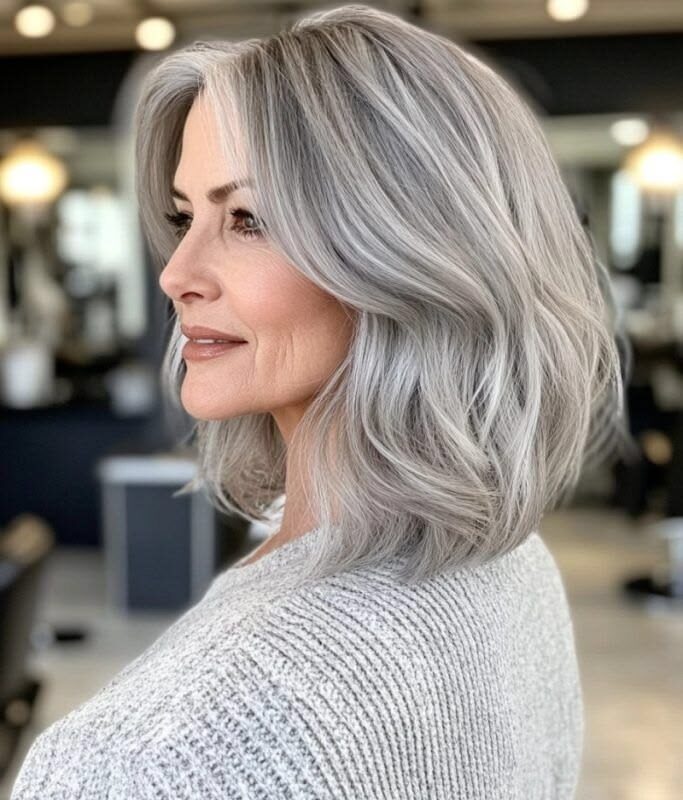
Growing out grey hair is one of the most personal choices you can make about your appearance. It takes patience. It takes a steady commitment to yourself. And it takes real confidence to walk through the awkward in-between stages without reaching for the dye box.
More people are making this choice every year. Women and men of all ages are letting their natural silver, white, and salt-and-pepper tones come through. The movement is not a trend. It is a shift in how people think about beauty, age, and authenticity.
The grow-out process looks different for everyone. Some people have a sharp line of demarcation where dyed hair meets new growth. Others deal with brassiness, uneven texture, or a wiry new curl pattern they never expected. These challenges are normal. They are also manageable with the right approach.
This guide covers everything you need to know about the transition. You will learn how to handle the demarcation line, how to care for your hair during the grow-out, which styles work best at each stage, and how to stay motivated when progress feels slow. You will also find practical advice on toning, trimming, and protecting your hair so it stays healthy from root to tip.
There is no single right way to go grey. Some people go cold turkey and stop coloring overnight. Others use a gradual blending strategy with highlights or lowlights. Both paths work. The key is choosing the approach that fits your lifestyle, your hair type, and your patience level.
This guide gives you the tools to make that choice with confidence and carry it through to the finish line.
Understanding the Grey Hair Transition Process.
Source:@CreativeBooster | Travel, Home Decor, Paint Tips & Design Inspo

The first thing to understand about growing out grey hair is that it is a process, not an event. Your hair grows roughly half an inch per month on average. If your hair is shoulder length, a full grow-out from root to tip can take two to four years. That timeline sounds long, but it moves faster than you expect when you have a clear plan.
Grey hair is not simply hair that has lost color. The structure of grey and white hair is often different from pigmented hair. Many people notice their grey strands feel coarser, drier, or more wiry than the rest of their hair. This happens because the hair follicle produces less sebum as it ages, and the cuticle layer of grey hair tends to be more raised and porous. That raised cuticle is why grey hair can look dull or frizzy if it is not properly moisturized.
Understanding this structural difference helps you care for your hair more effectively during the transition. You are not just managing two colors. You are managing two different hair textures and two different levels of porosity at the same time. The dyed ends are often more processed and fragile. The new grey growth at the roots may be stronger but drier. Your hair care routine needs to address both.
The demarcation line is the most visible challenge in the early stages. This is the visible boundary between your natural grey roots and your previously colored hair. How noticeable this line appears depends on how dark your dyed color is and how light or bright your natural grey is. A person with dark brown dye and bright white roots will have a very sharp contrast. A person with light blonde highlights and soft silver roots may barely notice the line at all.
There are several strategies for managing the demarcation line. The most common is to use highlights or lowlights to blur the boundary. A colorist can weave lighter pieces through the dyed section to create a gradual fade from grey to color. This technique does not stop the grow-out. It simply makes the transition less abrupt and more visually seamless. Many people find this approach gives them the confidence to keep going through the early stages.
Another strategy is to use a toner or gloss to soften the contrast. A purple or blue toning treatment can neutralize any yellow or brassy tones in the grey roots, making them appear brighter and more intentional. At the same time, a gloss applied to the dyed ends can soften their depth and bring the two sections closer in tone. This is a low-commitment option that works well between salon visits.
Some people choose to go cold turkey. They stop coloring entirely and let the grow-out happen naturally. This approach requires the most patience, but it also means no more chemical processing on the hair. For people with damaged or over-processed hair, stopping color entirely can actually improve the overall health and condition of their strands over time. The trade-off is a more visible demarcation line for a longer period.
Strategic haircuts are one of the most powerful tools in the transition process. Regular trims remove the oldest, most processed ends and bring the demarcation line closer to the tips. A skilled stylist can also use layering, texturizing, and shaping to make the grow-out look intentional rather than neglected. A blunt cut can emphasize the contrast between grey and color, while layers and texture tend to blend the two sections more naturally.
Shorter haircuts accelerate the transition significantly. A pixie cut or a short bob can eliminate years of grow-out time in a single appointment. Many people find that a dramatic cut is the most liberating step in the entire process. It removes the dyed hair quickly and lets the grey grow in fresh from a short base. If you are open to a shorter style, this is worth serious consideration.
For those who prefer to keep their length, patience and consistent care are the main tools. Deep conditioning treatments, regular trims, and protective styling can all help you maintain healthy hair while the grow-out progresses. The goal is to keep the dyed ends in good condition so they do not look ragged or damaged next to the fresh grey growth.
Scalp health matters more during this process than many people realize. A healthy scalp produces stronger, healthier hair. If your scalp is dry, flaky, or irritated, it can slow growth and affect the quality of new strands. Use a gentle, sulfate-free shampoo and consider a weekly scalp massage to stimulate circulation. Staying hydrated and eating a diet rich in protein, iron, and biotin also supports healthy hair growth from the inside out.
One of the most underrated aspects of the grey transition is the emotional side. Many people feel a surge of freedom and confidence once they commit to the process. Others go through periods of doubt, especially during the awkward middle stages when the grow-out is visible but not yet complete. Both experiences are completely normal. Connecting with others who are on the same journey, through online communities or social media groups, can provide real encouragement and practical tips from people who have been through it.
Setting small milestones helps maintain motivation. Celebrate each inch of grey growth. Notice how the texture and shine of your natural hair improves as the processed ends are gradually removed. Take photos every few months to track your progress. The transformation is often more dramatic than it feels in the day-to-day experience, and looking back at earlier photos can be a powerful reminder of how far you have come.
Choosing the Right Hair Care Routine for Grey Hair.
Source:@CreativeBooster | Travel, Home Decor, Paint Tips & Design
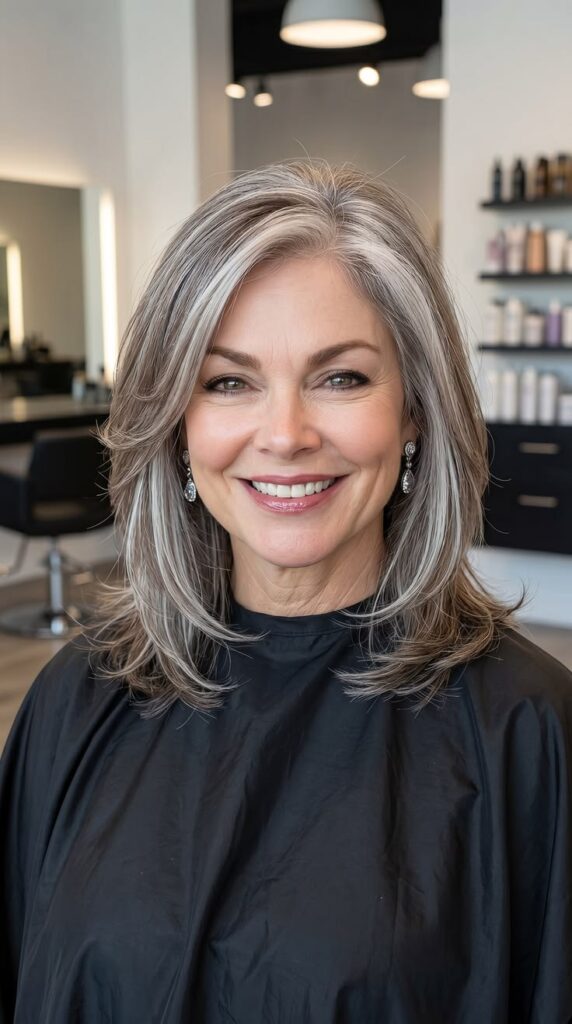
Once you commit to growing out your grey, your hair care routine needs to evolve. Grey hair has specific needs that differ from pigmented hair, and the products you used before may not serve you as well during the transition.
Moisture is the foundation of a good grey hair routine. Grey and white hair tends to be drier and more porous than pigmented hair. This means it absorbs moisture quickly but also loses it quickly. A hydrating shampoo and a rich conditioner used consistently will make a significant difference in how your grey hair looks and feels. Look for products that contain ingredients like shea butter, argan oil, glycerin, or hyaluronic acid. These ingredients help seal the cuticle and lock in moisture.
Purple shampoo is a staple for anyone growing out grey hair. It contains violet pigments that neutralize yellow and brassy tones that can develop in grey and white hair over time. Yellow tones in grey hair often come from hard water minerals, product buildup, sun exposure, or environmental pollution. A purple shampoo used once or twice a week keeps grey hair looking bright, clean, and intentional. Use it in place of your regular shampoo, leave it on for two to five minutes, and then follow with a moisturizing conditioner.
Be careful not to overuse purple shampoo. Using it too frequently can leave a faint purple or lavender cast on very light grey or white hair. Once or twice a week is enough for most people. If your hair starts to look slightly purple, switch back to your regular shampoo for a week and the tint will fade.
Heat styling tools can cause significant damage to grey hair, which is already more fragile and porous than pigmented hair. If you use a blow dryer, flat iron, or curling wand regularly, always apply a heat protectant spray first. Keep the temperature setting moderate rather than high. Air drying is the gentlest option and can actually enhance the natural texture of grey hair, which often has a beautiful wave or curl pattern that heat styling can flatten or damage.
Deep conditioning treatments should be part of your weekly routine during the grow-out. A hair mask or deep conditioner applied once a week adds back the moisture and protein that grey hair loses more easily than pigmented hair. Leave the treatment on for at least ten to fifteen minutes, or longer if your hair is very dry or damaged. You can apply it under a shower cap and let the heat from your body help the product penetrate the hair shaft more deeply.
Protein treatments are also worth considering, especially if your dyed ends are damaged or over-processed. Protein helps rebuild the structure of the hair shaft and reduces breakage. However, too much protein can make hair feel stiff and brittle. A protein treatment once a month is usually enough for most hair types. If your hair feels hard or snaps easily after a protein treatment, scale back and focus on moisture instead.
Sun protection is often overlooked in hair care routines, but UV exposure can cause grey hair to yellow and can weaken the hair shaft over time. If you spend a lot of time outdoors, consider using a leave-in conditioner or hair serum that contains UV filters. Wearing a hat or scarf on sunny days is the simplest and most effective form of sun protection for your hair.
Scalp care is equally important. A clean, balanced scalp creates the best environment for healthy hair growth. Wash your hair often enough to prevent product buildup and excess oil, but not so often that you strip the scalp of its natural moisture. For most people, washing two to three times a week is a good balance. If you have a dry scalp, a scalp oil or serum applied between washes can help maintain comfort and hydration.
Avoid products that contain sulfates, parabens, or heavy silicones if possible. Sulfates can strip moisture from already dry grey hair. Heavy silicones can build up on the hair shaft over time and make it look dull and weighed down. Lightweight, water-soluble silicones are less problematic, but a clarifying shampoo used once a month can remove any buildup and restore shine and bounce to your hair.
Styling Tips for Every Stage of the Grey Grow-Out.
Styling your hair well during the transition makes a significant difference in how you feel about the process. The right style can make the grow-out look intentional and polished rather than unfinished.
In the early stages, when the grey roots are just beginning to show, the contrast between your natural color and your dyed hair is at its most noticeable. This is the stage where most people feel the most self-conscious. A few simple styling tricks can help. Parting your hair on the side rather than in the middle distributes the root growth more evenly and makes it less obvious. Loose waves or curls also help blend the two sections better than straight, sleek styles, which tend to emphasize the demarcation line.
Braids and updos are excellent options during the early and middle stages of the grow-out. A loose braid, a low bun, or a twisted updo can tuck away the most visible parts of the demarcation line while still looking stylish and put together. These styles also protect the ends of your hair from friction and breakage, which is especially helpful if your dyed ends are fragile.
Headbands, scarves, and hair accessories can add visual interest and draw attention away from the grow-out line. A wide headband placed just behind the hairline can cover several inches of root growth while adding a polished, intentional look to your style. Silk or satin scarves tied around the head or used as a hair wrap are both stylish and protective.
As the grey grows in further and the demarcation line moves lower, you will have more styling options. At this stage, many people find that their natural grey hair has a beautiful texture and movement that they did not expect. Embracing that texture rather than fighting it often produces the most flattering results. If your grey hair has a natural wave or curl, let it do its thing. Use a curl-enhancing cream or a light mousse to define the texture and reduce frizz.
Regular trims remain important throughout the entire grow-out process. Trimming the ends every six to eight weeks removes split ends and keeps the hair looking healthy and intentional. It also gradually removes the dyed sections, bringing you closer to a full grey head of hair with each visit. Talk to your stylist about your grow-out goals so they can tailor each trim to support your progress rather than simply maintaining your current length.
Color glosses and toning treatments can be used throughout the grow-out to keep both the grey and the dyed sections looking their best. A clear gloss adds shine and smoothness to the entire hair shaft without adding color. A tinted gloss can be used to soften the dyed ends and bring them closer in tone to the grey roots. These treatments are low-commitment and wash out gradually over several weeks, making them a flexible option for managing the transition.
Embracing your grey hair fully is the final stage of the transition. Once the dyed ends are gone and your natural color has fully grown in, you may find that your hair looks and feels better than it has in years. Grey and white hair that is well cared for has a luminous, silvery quality that is genuinely striking. With the right routine and the right styling approach, your natural grey can be one of your most distinctive and beautiful features.
The transition is a journey. It has challenging moments and rewarding ones. But for the many people who have made it through to the other side, the result is a sense of freedom, authenticity, and confidence that no hair dye can replicate. Take it one month at a time, care for your hair consistently, and trust the process.