Hair growth is a journey that requires patience, knowledge, and the right approach. For Black women, this journey carries deep significance because hair connects to identity, culture, and self-expression. Many women invest time and money into hair care routines, only to find growth stalling or breakage increasing. The frustration is real, and it often stems from common mistakes that go unnoticed.
This guide walks you through the most frequent errors that slow hair growth. Some mistakes are obvious. Others hide in plain sight within your daily routine. Understanding these pitfalls is the first step toward lasting change. You don’t need expensive treatments or complicated regimens. You need clarity on what actually works and what holds you back.
The good news is that most of these mistakes are fixable. Small adjustments to your routine yield significant results over time. Whether you wear your hair natural, relaxed, braided, or in any other style, the principles remain consistent. Your hair responds to care, consistency, and respect for its unique needs.
1. Overlooking Seasonal Changes
Your hair doesn’t stay the same year-round. Winter brings dry air and cold temperatures that strip moisture from your strands. Summer heat and humidity create frizz and weaken your hair structure. Using the same products and routine regardless of season is a critical oversight.
Seasonal shifts demand routine adjustments. In winter, increase deep conditioning and reduce heat styling. Summer calls for lighter products and protective styles that shield hair from UV damage. Pay attention to how your hair responds each season and adapt accordingly. This flexibility prevents damage accumulation and keeps growth on track.
2. Neglecting Moisture
Moisture is the foundation of healthy hair growth. Black hair has naturally drier texture because natural oils from the scalp travel slowly down the hair shaft. Without adequate moisture, your hair becomes brittle, prone to breakage, and unable to grow past a certain length.
Neglecting moisture sabotages growth quickly. Your routine must include regular deep conditioning, leave-in conditioners, and moisture-rich products. Hydrated hair is elastic and resilient. It bends without snapping. It retains length and grows stronger. Make moisture a non-negotiable part of your weekly regimen.
3. Overwashing Your Hair

Washing too frequently strips your hair of natural oils and causes dryness. Many women wash weekly or more, thinking cleanliness equals health. For textured hair, this approach backfires. Overwashing depletes moisture, increases frizz, and weakens the hair structure.
Most Black women benefit from washing every 7 to 14 days, depending on scalp condition and lifestyle. Between washes, use dry shampoo or co-washing to refresh without harsh stripping. This extended wash cycle allows natural oils to nourish your hair and scalp. Your hair will feel stronger, look shinier, and grow faster when you reduce wash frequency.
4. Using the Wrong Combs and Brushes
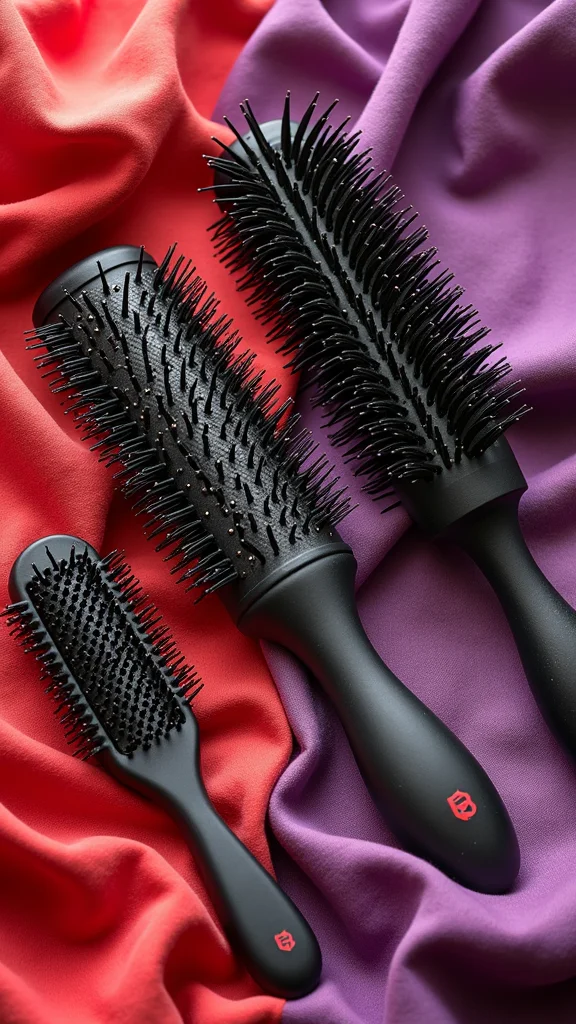
The tools you use matter more than you think. Fine-tooth combs and stiff brushes cause breakage, especially on wet hair. Textured hair needs gentler handling and wider spacing between teeth to glide through without snagging.
Invest in a wide-tooth comb, detangling brush, or paddle brush designed for curly and coily hair. Always detangle on wet hair with conditioner applied. Start from the ends and work upward slowly. Rushing through detangling with the wrong tools causes unnecessary breakage that sets back your growth timeline.
5. Ignoring Protective Styles
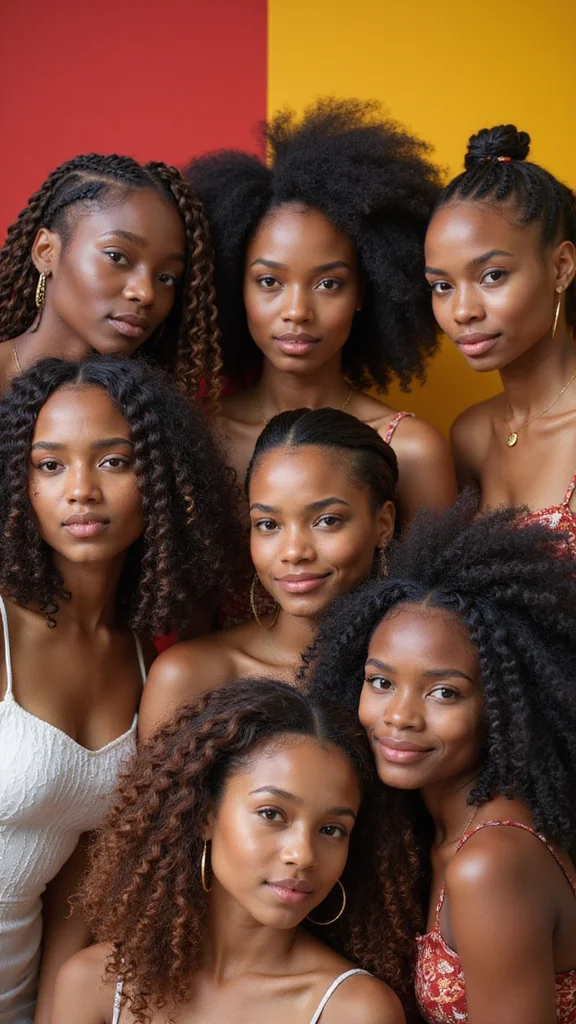
Protective styles are essential tools for hair growth. When your hair is tucked away in braids, twists, buns, or other styles, it experiences less friction, manipulation, and environmental stress. This reduced handling allows your hair to retain length and grow stronger.
Many women avoid protective styles because they prefer wearing their hair down. This mindset costs them growth. Rotating protective styles throughout the year gives your hair recovery time. Your ends stay intact, breakage decreases, and length accumulates. Protective styling is one of the most effective growth strategies available.
6. Skipping Scalp Care

A healthy scalp is the foundation for healthy hair growth. Your scalp produces the oils that nourish your hair and protect it from damage. Neglecting scalp care leads to buildup, inflammation, and poor hair growth from the root.
Incorporate scalp care into your routine by exfoliating gently once or twice monthly and massaging your scalp regularly. Use products designed for scalp health, not just hair strands. Keep your scalp clean but not stripped. A balanced scalp environment supports faster, stronger hair growth.
7. Not Eating Right

Hair growth starts from within. Your diet directly impacts hair strength, growth rate, and overall health. Protein, iron, zinc, and B vitamins are essential for building strong hair. Without adequate nutrition, your body prioritizes vital organs over hair growth.
Eating a balanced diet rich in lean proteins, leafy greens, nuts, seeds, and healthy fats supports hair growth from the inside out. Many women focus only on external products while ignoring nutrition. You cannot out-product a poor diet. Commit to eating foods that nourish your entire body, and your hair will reflect that investment.
8. Stressing Out

Chronic stress triggers hair loss and slows growth. When your body is under stress, it diverts resources away from non-essential functions like hair growth. Stress hormones can push hair into the shedding phase prematurely, causing noticeable hair loss.
Managing stress is as important as any hair product. Exercise, meditation, adequate sleep, and time with loved ones all reduce stress levels. If you’re experiencing significant hair loss alongside stress, address both simultaneously. Your hair cannot thrive if your mind and body are in constant distress.
9. Ignoring Heat Protection
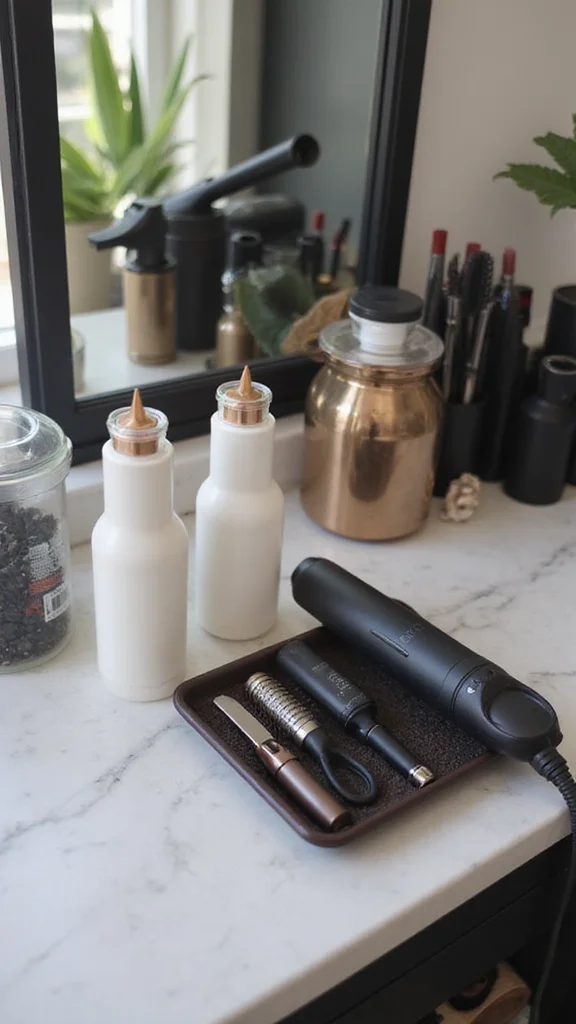
Heat styling damages hair when done without protection. High temperatures break down the protein structure of your hair, causing weakness, breakage, and split ends. Many women apply heat without any protective barrier, accelerating damage.
Always use a heat protectant spray before blow drying, flat ironing, or using any hot tool. These products create a barrier that reduces heat damage. Better yet, minimize heat styling altogether and embrace air-drying or heat-free styling methods. When you do use heat, keep temperatures moderate and limit frequency.
10. Using Heavy Products

Heavy products weigh down hair, especially textured hair that is naturally lighter and more delicate. Thick creams, oils, and butters can cause buildup, flatten curls, and make hair look dull. Many women use products designed for straight hair or use too much product overall.
Choose lightweight formulations suited to your hair type and porosity. Use less product than you think you need. A little goes a long way with textured hair. Heavy products also trap moisture and prevent your scalp from breathing, leading to buildup and scalp issues. Switch to lighter alternatives and watch your hair feel bouncier and grow faster.
11. Not Trimming Regularly
Split ends travel up the hair shaft and cause breakage. If you never trim, split ends accumulate and your hair breaks off faster than it grows. This creates the illusion of no growth, even though your hair is growing. You’re just losing length to breakage.
Trim your hair every 8 to 12 weeks to remove damaged ends. Regular trims prevent split ends from spreading and allow you to retain length. Many women fear trims because they think it slows growth. The opposite is true. Trims accelerate visible growth by eliminating breakage.
12. Not Protecting Your Hair at Night

Your hair experiences friction and stress while you sleep. Cotton pillowcases absorb moisture from your hair and create friction that causes breakage and frizz. Eight hours of nightly damage adds up quickly over weeks and months.
Use a silk or satin bonnet, pillowcase, or wrap to protect your hair at night. These materials reduce friction and help your hair retain moisture. This simple change prevents unnecessary breakage and supports growth. Nighttime protection is one of the easiest and most effective strategies you can implement.
13. Disregarding Hair Type
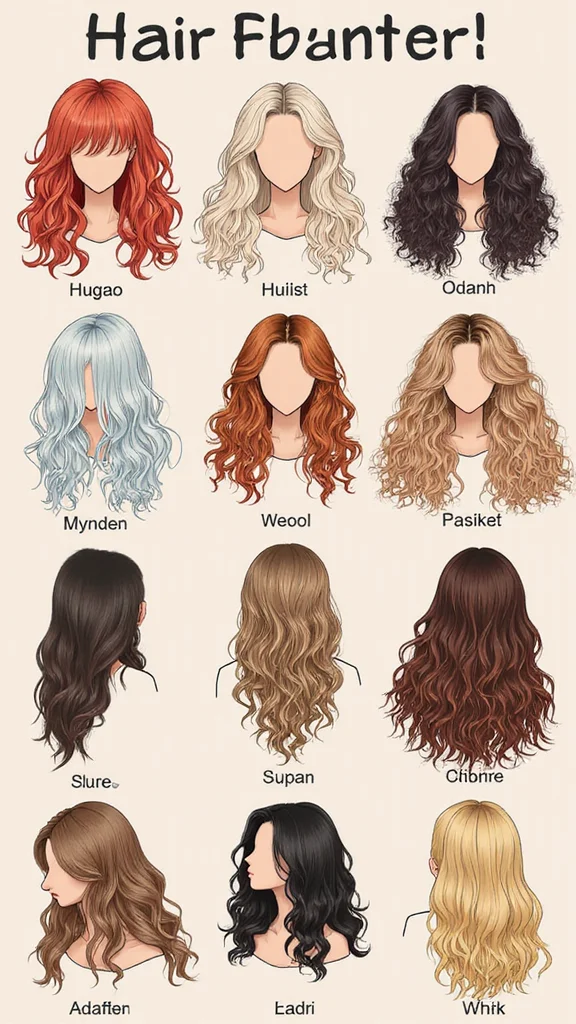
Not all hair is the same. Your specific hair type, texture, and porosity require tailored care. Using products and techniques designed for a different hair type wastes money and causes damage. A routine that works for someone else might not work for you.
Identify your hair type, porosity, and specific needs. Research products and techniques designed for your texture. What works for loose waves might damage tight coils. What works for low porosity hair might leave high porosity hair dry. Taking time to understand your hair’s unique characteristics allows you to build an effective routine.
14. Skipping Regular Scalp Massages

Scalp massages increase blood flow to hair follicles, delivering oxygen and nutrients that support growth. Many women skip this step because they don’t understand its importance. A five-minute daily massage costs nothing and takes minimal time.
Massage your scalp using your fingertips in circular motions for five to ten minutes daily. This stimulates blood circulation and promotes a healthy scalp environment. Consistent scalp massage can noticeably improve hair growth over time. Combine it with a nourishing oil for added benefit. This simple practice is one of the most underrated growth strategies available.
15. Sticking to One Style

Wearing the same tight style repeatedly causes traction alopecia, a form of hair loss from constant tension. Your hair needs variety and rest. Rotating styles prevents damage from repeated pulling and tension on the same areas.
Vary your styles throughout the week or month. Alternate between protective styles, loose styles, and styles with minimal tension. Give your hairline and edges regular breaks from tight pulling. This rotation prevents cumulative damage and supports healthy growth.
16. Not Seeking Professional Help

Some hair issues require professional intervention. Scalp conditions, severe damage, and persistent hair loss need expert diagnosis and treatment. Many women try to solve every problem at home, missing opportunities for professional guidance.
Build a relationship with a knowledgeable stylist or trichologist who understands your hair type. Regular professional consultations help you identify issues early and receive appropriate treatment. A professional can recommend products suited to your specific needs and catch problems before they worsen.
17. Waiting Too Long to Treat Issues
Small problems become big problems when ignored. A minor scalp issue can develop into a serious condition. Early breakage can spread throughout your hair. Waiting to address issues allows damage to accumulate and become harder to reverse.
Act quickly when you notice changes in your hair or scalp. Address breakage, itching, flaking, or unusual shedding immediately. Early intervention prevents minor issues from becoming major setbacks. Your hair responds better to treatment when problems are caught early.
18. Not Having a Consistent Routine
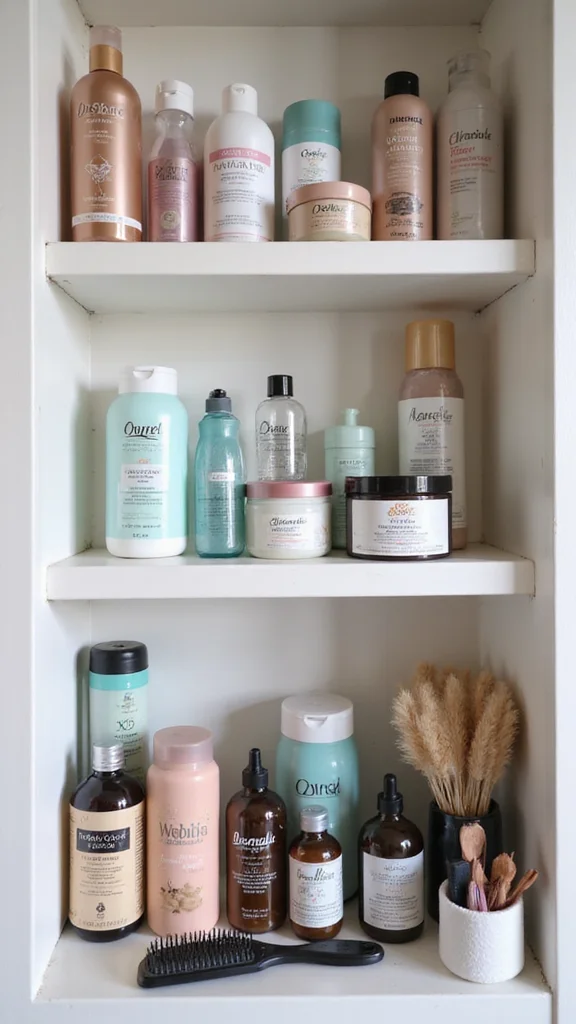
Hair growth requires consistency. Sporadic care produces sporadic results. Your hair responds to regular, predictable routines. Skipping steps or going weeks without proper care disrupts your hair’s progress.
Establish a realistic routine you can maintain long-term. This might include weekly washing, bi-weekly deep conditioning, daily moisturizing, and monthly trims. Write it down and treat it like any other important commitment. Consistency builds momentum. Over months and years, a steady routine produces dramatic growth results.
19. Overlooking the Importance of Vitamins

Vitamins and minerals support hair growth from within. Biotin, vitamin D, iron, and zinc are particularly important for strong, fast-growing hair. Deficiencies in these nutrients slow growth and increase shedding.
Consider having your nutrient levels tested and supplementing if needed. A quality hair vitamin or individual supplements can fill nutritional gaps. Combine supplements with a nutrient-rich diet for maximum benefit. Many women see noticeable improvement in growth rate and hair strength after addressing vitamin deficiencies.
20. Dismissing the Impact of Weather

Weather affects your hair significantly. Humidity causes frizz and can weaken your hair structure. Cold, dry air strips moisture. UV rays damage hair and fade color. Ignoring weather-related challenges allows preventable damage to accumulate.
Adjust your routine based on weather conditions. Use anti-frizz products in humid climates. Increase moisture in dry climates. Wear protective styles or hats in strong sun. These adjustments prevent weather-related damage and keep your hair healthy year-round.
21. Not Listening to Your Hair
Your hair communicates its needs through its appearance and feel. Dryness, breakage, dullness, and shedding are all messages. Many women ignore these signals and continue routines that don’t work for their hair.
Pay attention to how your hair responds to products and practices. If something causes breakage or dryness, stop using it. If your hair thrives with a certain product, keep using it. Your hair is unique and will tell you what it needs. Listen to these signals and adjust accordingly.
22. Conclusion and Moving Forward

Hair growth is achievable when you avoid these common mistakes. You don’t need expensive treatments or complicated routines. You need clarity, consistency, and respect for your hair’s unique needs. Each mistake you eliminate brings you closer to your growth goals.
Start by identifying which mistakes apply to your routine. Choose one or two to address first. Small changes compound over time. In three to six months, you’ll notice stronger hair, less breakage, and visible growth. In a year, the transformation can be dramatic. Your hair is capable of thriving. Give it the care and attention it deserves, and it will reward you with the growth and health you’ve been seeking.