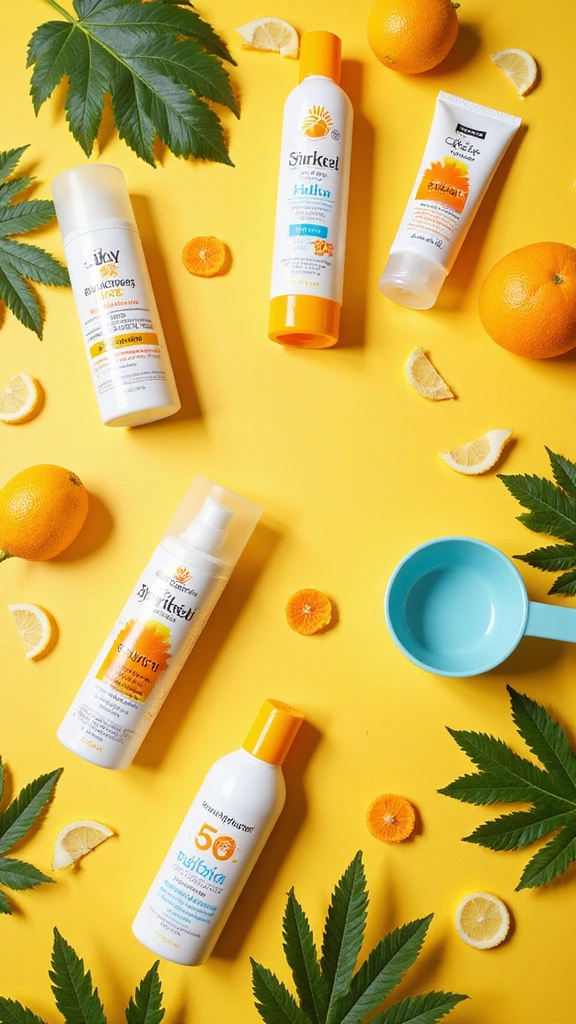
Sun exposure is a daily reality. Whether you’re commuting to work, running errands, or enjoying outdoor activities, your skin faces constant UV radiation. The damage accumulates silently, leading to premature aging, dark spots, and serious health risks. Yet sun protection doesn’t have to be complicated or time consuming. Smart, consistent habits can shield your skin while keeping you comfortable and confident year round.
The foundation of healthy skin starts with understanding how UV rays work and which strategies actually work. Many people apply sunscreen once and assume they’re protected. Others avoid the sun entirely, missing out on vitamin D and outdoor enjoyment. The truth lies in balance. This guide covers fifteen essential strategies that dermatologists recommend. From choosing the right sunscreen to timing your outdoor activities, each tip builds on the last. You’ll learn how to protect your skin without sacrificing your lifestyle. Ready to take control of your skin’s future? Let’s start.
1. Choose the Right Sunscreen

Sunscreen is your first line of defense, but not all formulas work equally. Broad spectrum protection blocks both UVA and UVB rays, which is non negotiable. Look for SPF 30 or higher, though SPF 50 offers marginally better protection. The difference between SPF 30 and SPF 50 is roughly 3 percent more UV absorption, so either works well if applied correctly.
Your skin type matters when selecting a formula. Oily skin benefits from lightweight, mattifying sunscreens or mineral powders. Dry skin needs richer, hydrating bases. Sensitive skin responds well to mineral sunscreens containing zinc oxide or titanium dioxide. Chemical sunscreens absorb into the skin, while mineral sunscreens sit on top and reflect rays. Neither is superior; choose based on how your skin reacts. Apply generously about 15 minutes before sun exposure, and reapply every two hours or after swimming.
2. Avoid Peak Sun Hours for Outdoor Activities

The sun’s rays are strongest between 10 AM and 4 PM. During these hours, UV intensity peaks, making sun damage more likely even with protection. If possible, schedule outdoor activities for early morning or late afternoon. This simple timing shift reduces your UV exposure significantly without requiring extra products or effort.
This doesn’t mean staying indoors all day. Rather, plan your schedule strategically. Morning walks, evening hikes, and weekend activities after 4 PM offer plenty of sunshine without peak intensity. If you must be outside during midday, combine this strategy with other protective measures like shade seeking and protective clothing. Even shifting your outdoor time by a few hours makes a measurable difference in cumulative sun damage over months and years.
3. Embrace Natural Sun Protection Methods

Nature offers powerful allies in sun protection. Certain plants and foods contain compounds that support skin resilience. Green tea, for example, contains polyphenols that help neutralize UV damage. Pomegranate, berries, and citrus fruits provide antioxidants that strengthen skin’s natural defenses. These aren’t replacements for sunscreen, but they work synergistically with your routine.
Topical botanical ingredients also matter. Aloe vera soothes sun exposed skin and reduces inflammation. Chamomile calms irritation. Calendula promotes healing. Many quality sunscreens now incorporate these ingredients alongside UV filters. You can also use natural oils like coconut oil for light protection, though they offer only SPF 4 to 8 and shouldn’t replace dedicated sunscreen. The key is layering multiple protective strategies, both internal and external.
4. Know Your Skin Type
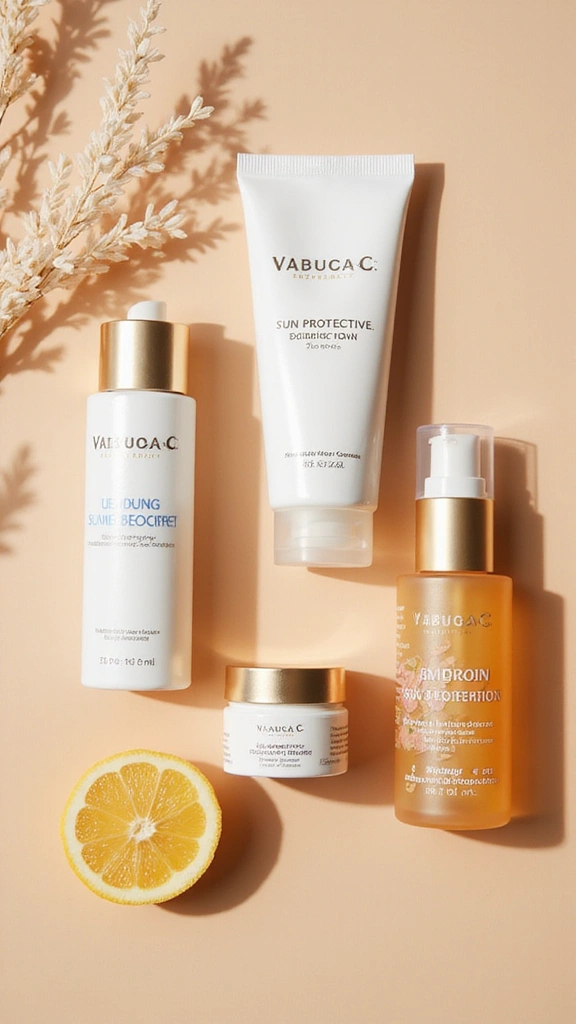
Your skin type determines which sun protection strategies work best. Fair skin burns quickly and requires vigilant protection. Darker skin tones have more melanin, which provides natural UV protection, but still need sunscreen to prevent damage and discoloration. Sensitive skin may react to certain sunscreen ingredients, requiring patch testing before full application.
Combination skin presents unique challenges. Oily zones may feel greasy with heavy sunscreen, while dry areas need nourishment. Test products on small areas first. Pay attention to how your skin responds throughout the day. Does it feel tight? Shiny? Irritated? These signals guide you toward formulas that work. Knowing your skin type also helps you choose complementary products. A sensitive, dry skin type benefits from hydrating sunscreens with soothing ingredients, while oily skin prefers lightweight, oil free options.
5. Choose Quality Over Quantity in Skincare Products

More products don’t equal better skin. In fact, layering too many formulas can overwhelm your skin and trigger irritation. Focus on quality essentials: a gentle cleanser, targeted treatment, moisturizer, and sunscreen. Each product should serve a clear purpose and work well with others in your routine.
When selecting products, read ingredient lists carefully. Avoid unnecessary fillers and fragrance if your skin is sensitive. Invest in products from reputable brands that conduct stability and safety testing. A single high quality moisturizer with SPF can replace two separate products. A well formulated cleanser removes sunscreen effectively without stripping skin. Simplicity reduces the risk of adverse reactions and makes your routine sustainable long term. Quality ingredients at appropriate concentrations outperform lengthy routines with mediocre products.
6. Avoid Excessive Alcohol Consumption

Alcohol dehydrates skin from the inside out, compromising its natural barrier function. Dehydrated skin is more vulnerable to UV damage and shows signs of aging faster. Alcohol also increases inflammation, which compounds sun damage. If you drink, do so moderately and increase water intake to compensate.
Alcohol impairs your body’s ability to produce collagen and elastin, the proteins that keep skin firm and resilient. Over time, this accelerates wrinkles and sagging. Additionally, alcohol can trigger flushing and redness, making skin more photosensitive. Limiting consumption protects your skin from multiple angles. If you enjoy social drinking, alternate alcoholic beverages with water, eat food to slow absorption, and apply extra sunscreen on days you’ll be drinking outdoors. Your skin will thank you with clearer, more youthful appearance.
7. Educate Yourself About UV Index

The UV index measures the strength of ultraviolet radiation on any given day. It ranges from 0 to 11 or higher. Index levels of 0 to 2 are low, 3 to 5 are moderate, 6 to 7 are high, 8 to 10 are very high, and 11 plus are extreme. Check the daily UV index before heading outside to adjust your protection strategy accordingly.
On low index days, basic sunscreen and casual sun avoidance suffice. On high or very high days, add protective clothing, seek shade, and reapply sunscreen more frequently. Weather apps and weather websites display UV index forecasts. This information helps you make informed decisions about outdoor timing and protection intensity. Understanding UV index removes guesswork from sun safety. You’re not being overly cautious on low risk days, nor are you underprepared on dangerous ones. This knowledge empowers you to enjoy the outdoors confidently.
8. Get Regular Skin Check Ups
Annual skin examinations by a dermatologist catch problems early. Professionals can identify suspicious moles, precancerous lesions, and other concerns before they become serious. Early detection saves lives and prevents extensive treatment. Schedule your first appointment if you haven’t had one, then maintain annual visits.
Between appointments, perform monthly self examinations. Use the ABCDE rule: Asymmetry, Border irregularity, Color variation, Diameter larger than a pencil eraser, and Evolving or changing appearance. Photograph suspicious spots to track changes. Report any new growths, bleeding moles, or changing lesions to your dermatologist immediately. Regular professional oversight combined with self awareness creates a comprehensive monitoring system. This proactive approach catches skin cancer at the most treatable stages and gives you peace of mind.
9. Use a Daily Moisturizer with SPF

Combining moisturizer and sunscreen in one product simplifies your routine and ensures consistent sun protection. Daily moisturizers with SPF 30 or higher provide hydration while blocking UV rays. This approach works especially well for facial skin, which needs moisture and protection daily.
Choose a moisturizer with SPF that matches your skin type. Lightweight formulas suit oily skin, while richer creams benefit dry skin. Apply generously to face and neck each morning. This single step replaces two separate products, saving time and money. However, remember that SPF moisturizers still require reapplication if you’re spending extended time outdoors. For all day indoor work, a morning application usually suffices. For outdoor activities, treat it like regular sunscreen and reapply every two hours. Combining hydration with sun protection creates a foundation for healthy, protected skin.
10. Be Mindful of Medications

Some medications increase skin sensitivity to sun exposure, a condition called photosensitivity. Common culprits include certain antibiotics, anti inflammatory drugs, and acne medications like isotretinoin. If you take prescription medications, ask your doctor or pharmacist whether sun sensitivity is a side effect.
If your medication increases photosensitivity, take extra precautions. Apply sunscreen more frequently, wear protective clothing, and avoid peak sun hours when possible. Don’t stop taking necessary medications to avoid sun exposure. Instead, adjust your sun protection strategy. Keep a list of your medications and their sun related side effects. Share this information with family members who might help you remember to reapply sunscreen or suggest shade. Being aware of medication interactions with sun exposure prevents unexpected burns and damage while you’re managing other health concerns.
11. Incorporate Antioxidants in Your Diet

What you eat directly affects your skin’s ability to resist UV damage. Antioxidants neutralize free radicals created by sun exposure, reducing inflammation and supporting repair. Berries, dark leafy greens, nuts, and fatty fish are antioxidant powerhouses. Eating these foods regularly strengthens your skin from within.
Vitamin C supports collagen production and protects against oxidative stress. Vitamin E works synergistically with vitamin C to neutralize free radicals. Selenium supports skin elasticity. Omega 3 fatty acids reduce inflammation. Rather than taking supplements, focus on whole foods that provide these nutrients in bioavailable forms. A diet rich in colorful vegetables, fruits, nuts, and fish provides comprehensive antioxidant protection. This internal defense system complements external sunscreen and protective clothing. Combined, dietary antioxidants and topical protection create a multi layered approach to sun damage prevention.
12. Use Sunglasses with UV Protection
Eyes and the delicate skin around them need protection too. UV exposure increases the risk of cataracts and other eye problems. The skin around eyes is thinner and more vulnerable to sun damage than facial skin elsewhere. Quality sunglasses block 99 to 100 percent of UVA and UVB rays.
Look for sunglasses labeled as blocking 100 percent UV or UV400. Larger frames provide better coverage, protecting more of the eye area and surrounding skin. Wraparound styles offer superior protection by blocking rays from the sides. Polarized lenses reduce glare but don’t necessarily provide UV protection, so check the label. Wearing sunglasses consistently prevents crow’s feet, protects your vision, and reduces squinting that causes wrinkles. This simple accessory serves both aesthetic and health purposes. Make sunglasses a non negotiable part of your outdoor routine, just like sunscreen.
13. Don’t Forget Your Lips

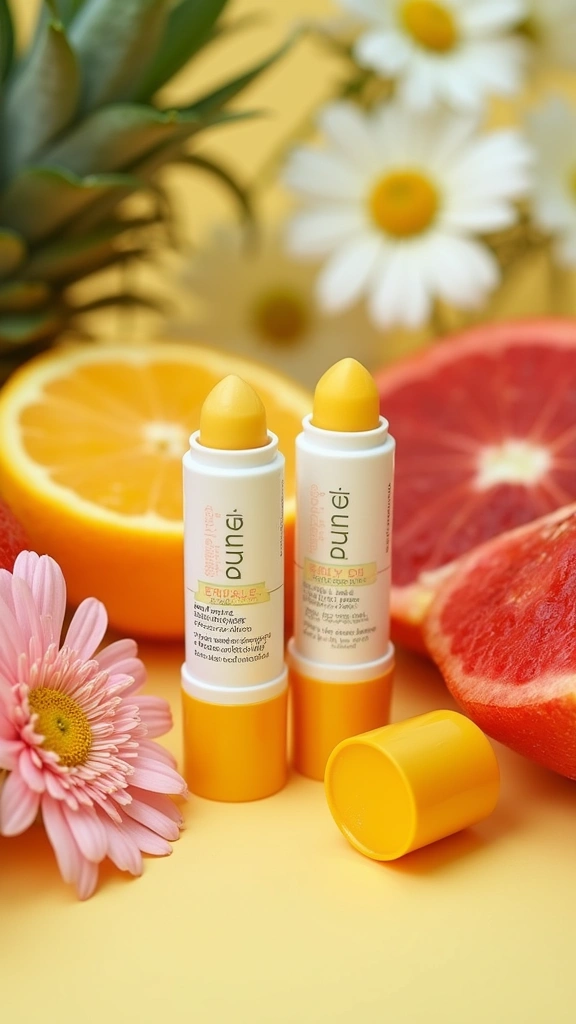
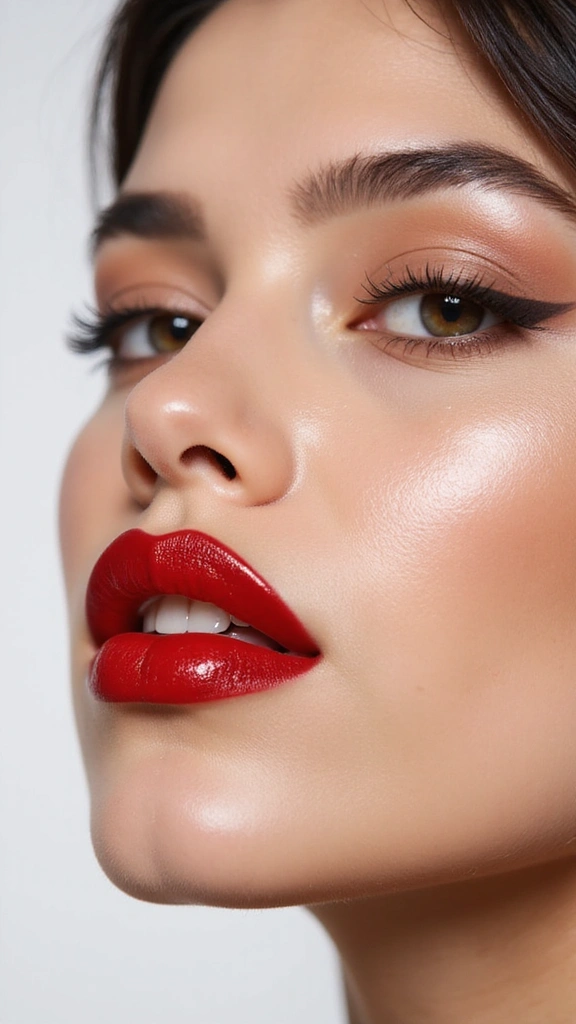
Lips lack melanin and oil glands, making them extremely vulnerable to sun damage. Unprotected lips burn easily, develop dark spots, and age prematurely. Lip balm with SPF 30 or higher should be applied as frequently as sunscreen. Keep multiple lip balms in your bag, car, and pocket for convenient reapplication.
Avoid matte lipsticks and long wearing formulas that dry lips further. Choose hydrating lip products with SPF. Beeswax, shea butter, and vitamin E nourish while protecting. If your lips are already damaged, use a healing lip balm with ingredients like aloe or calendula. Reapply after eating, drinking, or swimming. This small habit prevents painful sunburns and maintains soft, youthful lips. Many people neglect lip protection, then wonder why their lips age faster than the rest of their face. Consistent lip care is simple, inexpensive, and highly effective.
14. Seek Shade When Possible

Shade is your most effective UV blocker. Trees, umbrellas, buildings, and canopies reduce UV exposure by 50 to 75 percent depending on density. When you have a choice between sun and shade, choose shade. This doesn’t require special products or effort, just strategic positioning.
Plan outdoor activities with shade in mind. Picnics under trees, beach days with umbrellas, and outdoor work with canopy coverage all reduce sun exposure. Even partial shade helps. Sitting on a porch or under an awning provides protection while allowing you to enjoy fresh air and natural light. Shade seeking is especially important during peak sun hours. Combining shade with sunscreen and protective clothing creates maximum protection. This layered approach means you can spend time outdoors without excessive worry about sun damage.
15. Don Protective Clothing
Clothing is your most reliable sun barrier. Long sleeves, pants, and wide brimmed hats block UV rays before they reach skin. Tightly woven fabrics offer better protection than loose weaves. Dark colors absorb more UV than light colors, though modern UV blocking fabrics work regardless of color.
Specialized UV protective clothing is now widely available and comfortable. Rash guards, swim shirts, and athletic wear with UPF ratings provide excellent protection while remaining breathable and stylish. A wide brimmed hat protects your face, ears, and neck. Long sleeves and pants protect arms and legs. This approach works especially well for extended outdoor time or water activities. Combining protective clothing with sunscreen and shade seeking creates comprehensive defense. You don’t have to choose between sun protection and outdoor enjoyment. Smart clothing choices let you stay active while keeping your skin safe.



Leave a Reply