Your skin tells a story. Every morning you look in the mirror and wonder if there’s a better way to care for it. The truth is simple: small daily habits create big results. You don’t need expensive treatments or complicated routines to see real change. What you need is consistency and the right approach.
This guide walks you through 25 actionable skincare tips that work. These aren’t theories or trends. They’re practical steps you can start today. Some focus on what you put on your skin. Others address lifestyle choices that affect your complexion from within. Together, they form a complete system for healthier, clearer, more radiant skin.
1. Avoid Using Expired Products
Old products lose their potency. Ingredients break down over time. Check the expiration date on every bottle and jar. Most products last 12 to 24 months after opening. Write the date you opened each item on the container. This simple habit prevents you from using ineffective or potentially harmful products.
2. Celebrate Your Progress

Progress matters more than perfection. Your skin changes slowly. Compare your skin now to three months ago. The difference is real. Take photos and track what you’re doing. These small wins build momentum and keep you motivated to stick with habits that work.
3. Consult with a Dermatologist

A dermatologist sees skin problems every day. They know what works and what doesn’t. If you struggle with acne, rosacea, eczema, or other conditions, professional guidance changes everything. Your dermatologist can recommend products suited to your specific skin type and prescribe treatments you can’t buy over the counter.
4. Don’t Stress Over Your Skin

Stress shows on your face. Cortisol spikes trigger inflammation and breakouts. The irony is that stressing about your skin makes it worse. Focus on what you can control: your routine, your diet, your sleep. When you stop obsessing, you often see better results. Peace of mind is a skincare ingredient nobody talks about, but it works.
5. Use Products with Hyaluronic Acid
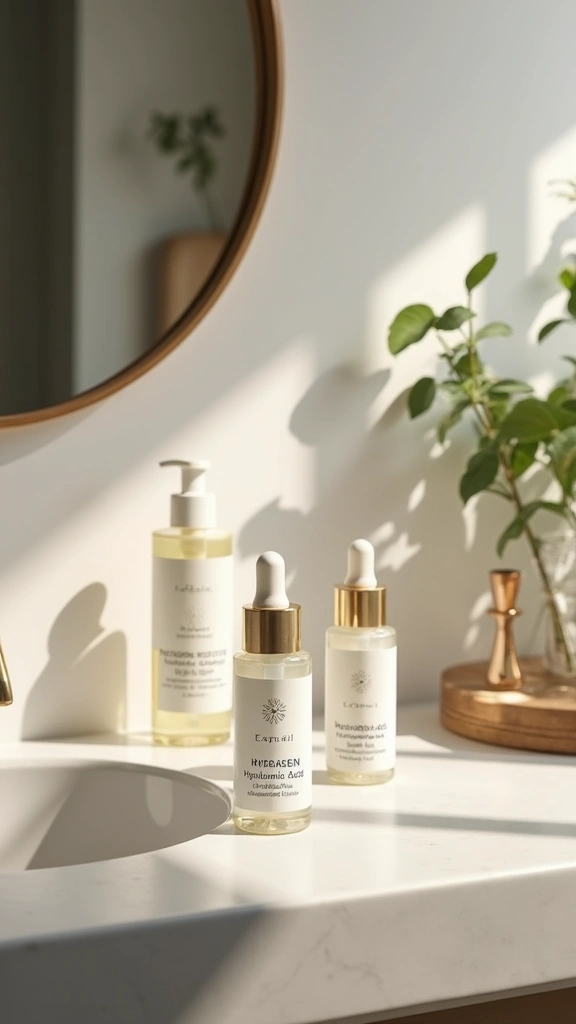
Hyaluronic acid holds water. One molecule can bind up to 1000 times its weight in moisture. Apply it to damp skin for best results. The moisture gets trapped in your skin barrier. Fine lines soften. Your complexion looks fresher. This ingredient works for all skin types, even oily skin.
6. Embrace Natural Oils
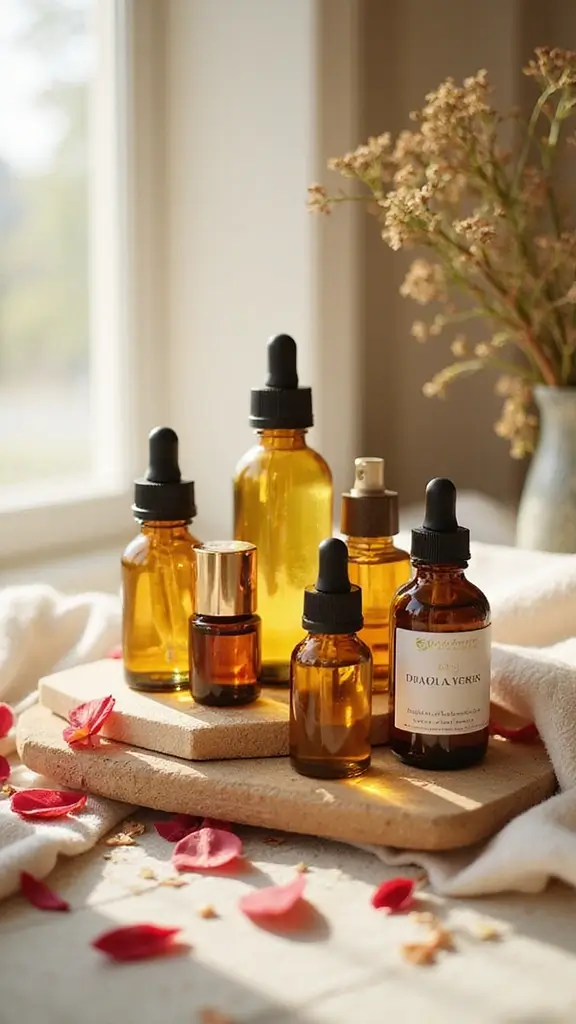
Your skin produces oil for a reason. It protects and nourishes. Natural oils like jojoba, rosehip, and argan oil mimic your skin’s natural sebum. They absorb quickly and don’t clog pores. They reduce inflammation and support your skin barrier. If you have oily skin, use them sparingly. If you have dry skin, use them generously.
7. Be Gentle with Your Skin
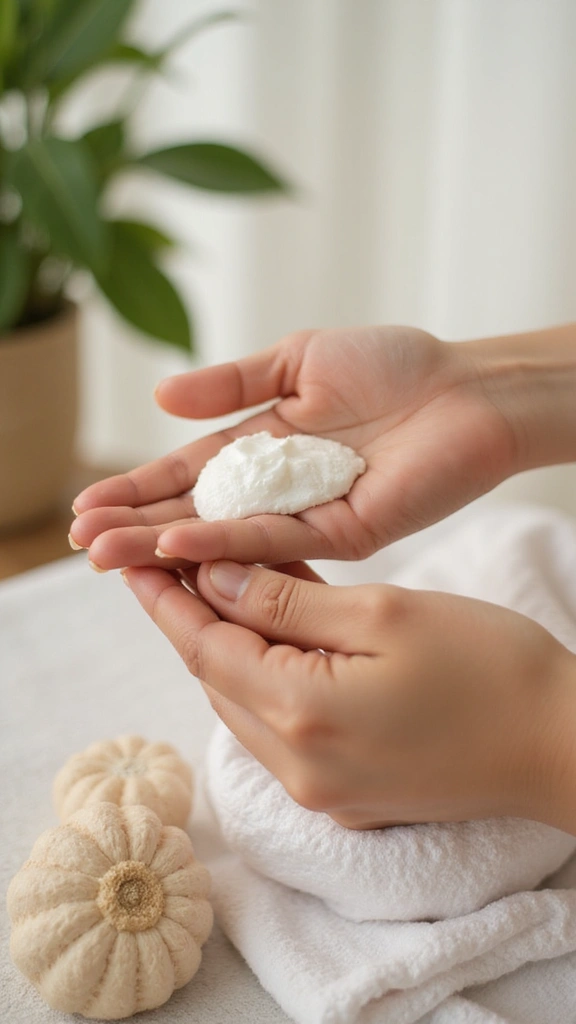
Your face is delicate. Rough scrubbing damages your skin barrier. Aggressive tugging causes wrinkles. Use your fingertips, not your nails. Pat products in instead of rubbing. Avoid physical scrubs that tear the skin. Chemical exfoliants work better anyway. Gentleness isn’t weakness. It’s wisdom.
8. Incorporate Antioxidants
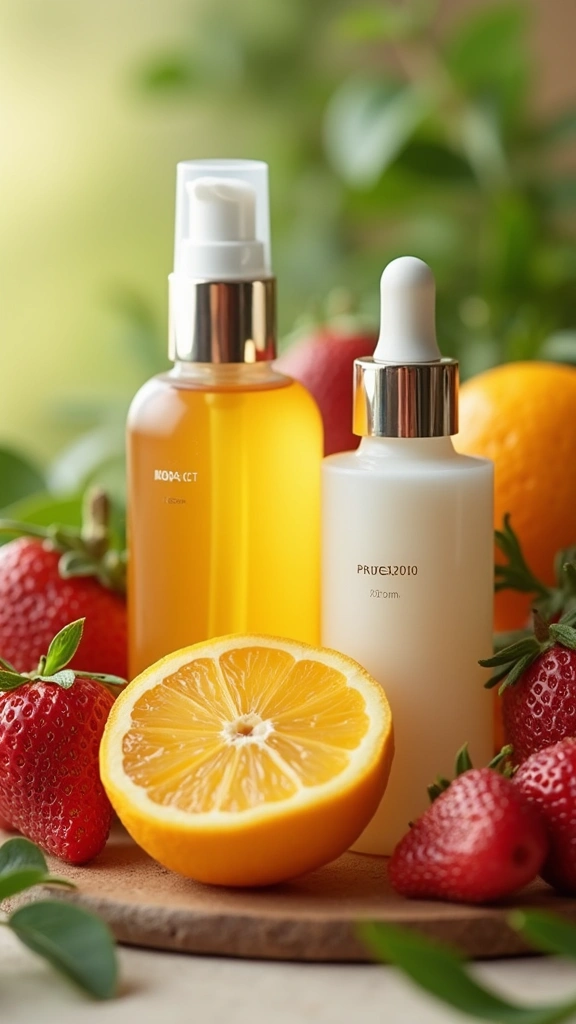
Free radicals age your skin. Pollution, sun exposure, and stress create them. Antioxidants neutralize free radicals before they damage your cells. Vitamin C, vitamin E, and green tea are powerful antioxidants. They brighten your skin, reduce inflammation, and protect against future damage. Use a vitamin C serum in the morning with sunscreen.
9. Try a Night Cream

Your skin repairs itself at night. It’s the perfect time to feed it rich, nourishing ingredients. Night creams are thicker and more concentrated than day moisturizers. Apply night cream to clean skin before bed. Your skin absorbs it fully. You wake up with softer, more hydrated skin.
10. Listen to Your Skin
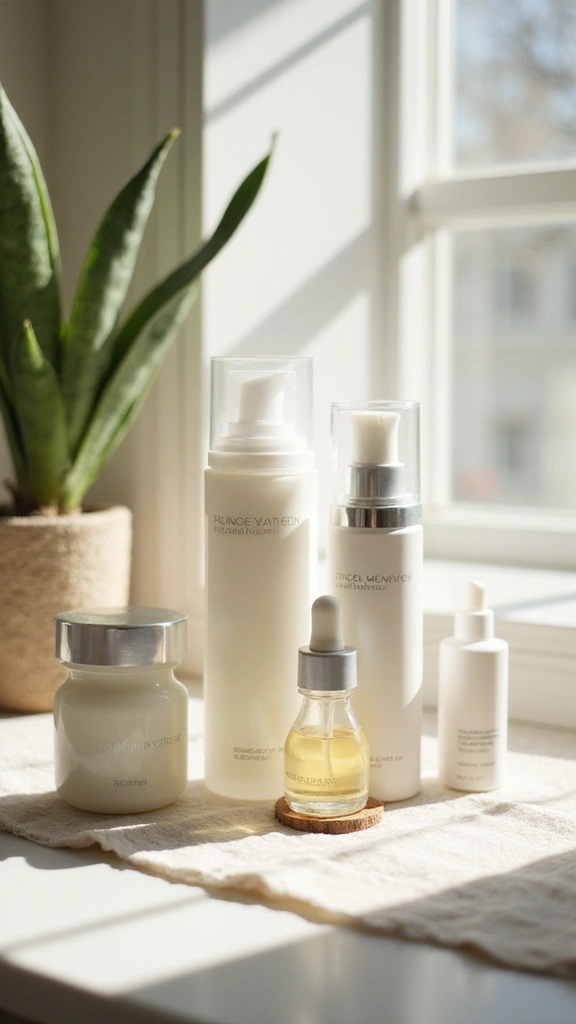
Your skin communicates. Redness means irritation. Dryness means you need more moisture. Breakouts mean something isn’t working. Pay attention. If a product causes problems, stop using it. Everyone’s skin is different. Adjust your routine based on what your skin tells you. Your skin changes with seasons, hormones, and age. Your routine should change too.
11. Keep Your Makeup Brushes Clean
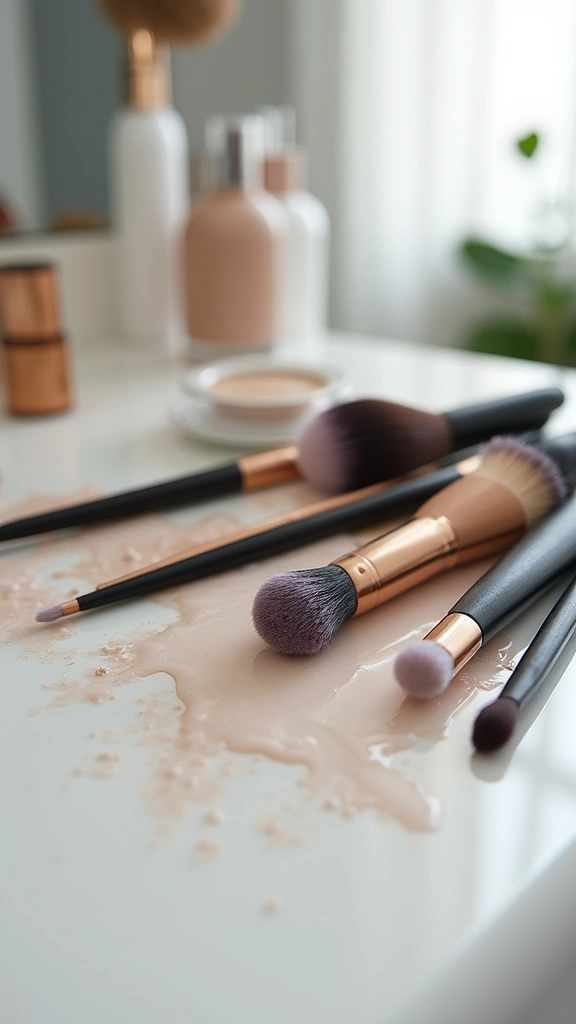
Dirty brushes transfer bacteria to your face. They cause breakouts and infections. Clean your brushes weekly with gentle shampoo and warm water. Let them air dry. This simple habit prevents acne and keeps your skin clear. Clean brushes also apply makeup more smoothly.
12. Regularly Change Pillowcases

Your pillowcase collects oil, bacteria, and dead skin cells. You press your face against it for eight hours. Change your pillowcase every two to three days. Better yet, use a silk or satin pillowcase. These materials are gentler on your skin and hair. They reduce friction and irritation.
13. Manage Stress

Stress triggers inflammation throughout your body. Your skin shows it first. Acne flares. Rosacea worsens. Eczema itches more. Find ways to manage stress. Meditation, yoga, walking, or journaling all help. Exercise reduces cortisol. Sleep improves your mood. When you’re calm, your skin is calm. Inflammation decreases.
14. Avoid Touching Your Face
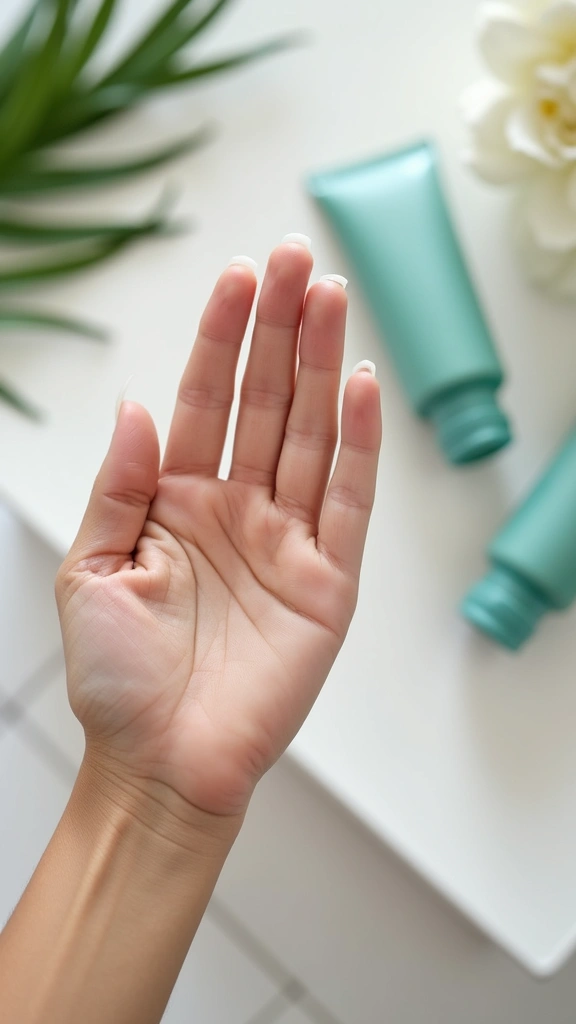
Your hands touch everything. Doorknobs, phones, keyboards, other people. Then you touch your face. You transfer bacteria directly to your skin. This habit causes breakouts and spreads infection. Be aware of how often you touch your face. Try to stop. If you need to touch your face, wash your hands first.
15. Use Retinol Wisely
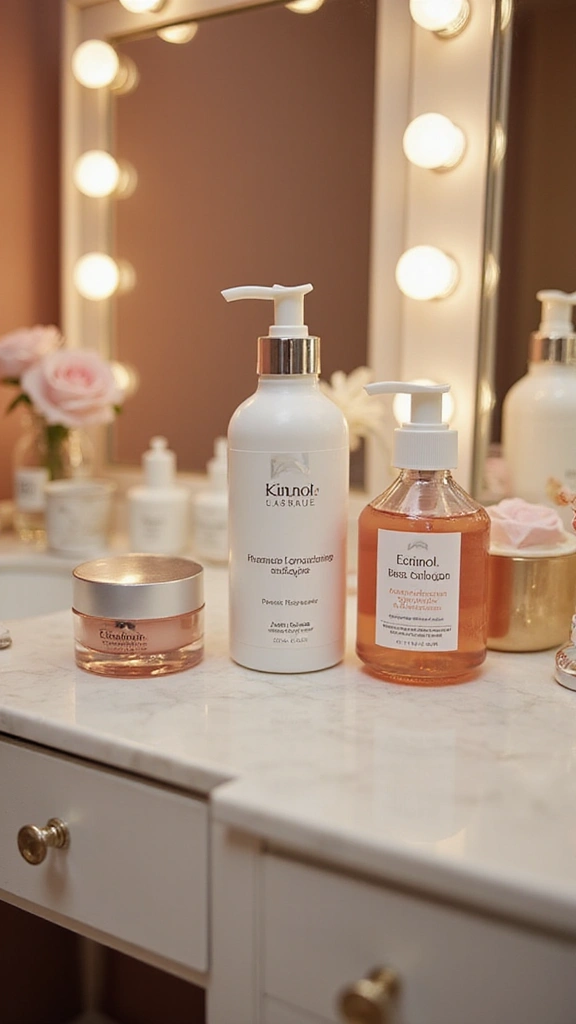
Retinol is powerful. It increases cell turnover, reduces wrinkles, and clears acne. But it’s also strong. Misuse causes irritation and peeling. Start with a low concentration. Use it two or three times a week. Gradually increase frequency as your skin adjusts. Always use sunscreen during the day. Apply it to dry skin at night.
16. Review Your Diet

Food affects your skin. Sugar and processed foods trigger inflammation and breakouts. Whole foods, healthy fats, and antioxidants support clear skin. Eat more vegetables, fruits, and lean proteins. Drink plenty of water. Reduce sugar and fried foods. Omega-3 fatty acids from fish reduce inflammation. Antioxidants from berries protect your cells.
17. Get Enough Sleep

Sleep is when your skin repairs itself. Growth hormone peaks. Cell turnover accelerates. Inflammation decreases. Without enough sleep, none of this happens. Aim for seven to nine hours nightly. You’ll notice fewer breakouts, less puffiness, and a brighter complexion. Dark circles fade. Fine lines soften. Sleep is the most underrated skincare ingredient.
18. Incorporate Face Masks

Face masks deliver concentrated ingredients quickly. They hydrate, clarify, or soothe depending on the type. Use them once or twice weekly for extra benefits. Clay masks draw out impurities. Sheet masks hydrate intensely. Cream masks nourish dry skin. Masks are also relaxing. They give you permission to slow down.
19. Never Forget Sunscreen
Sun damage causes wrinkles, age spots, and skin cancer. Sunscreen prevents all of this. UV rays penetrate clouds and windows. Use sunscreen every single day. Apply it generously. Reapply every two hours if you’re outside. SPF 30 is minimum. SPF 50 is better. Sunscreen is the most important anti-aging product you can use.
20. Don’t Skip Moisturizer
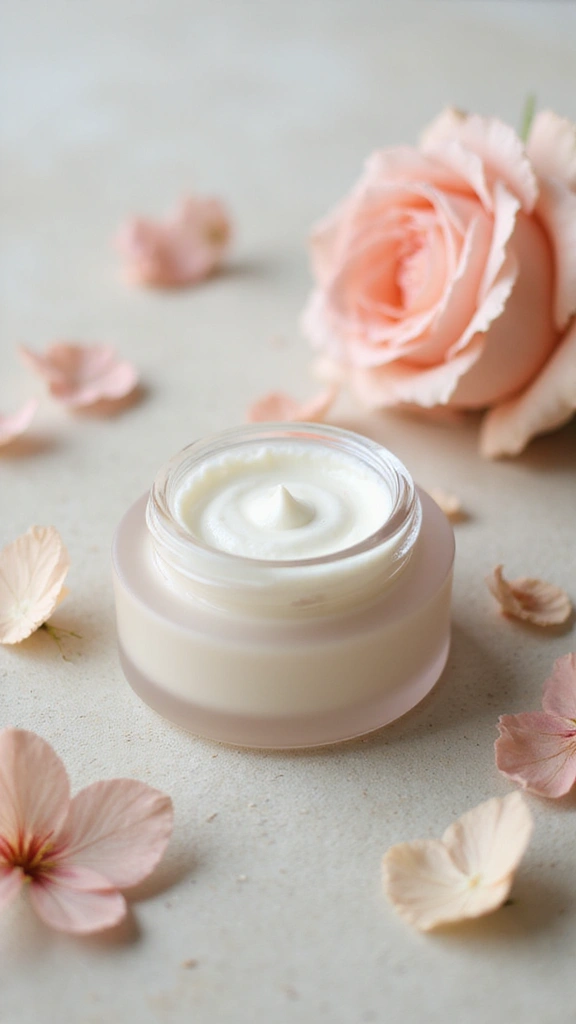
Moisturizer locks in hydration. It protects your skin barrier. Without it, your skin becomes dry, irritated, and vulnerable to damage. Even oily skin needs moisturizer. Use a lightweight formula if you have oily skin. Use a richer cream if you have dry skin. Apply it to damp skin to seal in moisture.
21. Layer Your Products
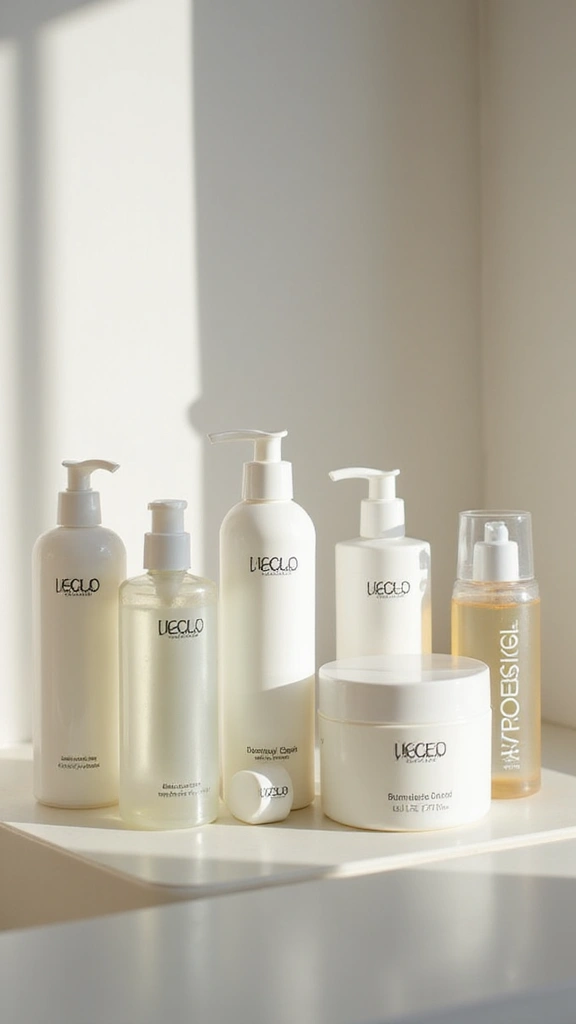
Order matters. Apply products from thinnest to thickest consistency. Serums first, then moisturizer, then oils or creams. This layering allows each product to absorb fully. Thin products can’t penetrate through thick ones. Cleanse, tone, serum, moisturizer, sunscreen in the morning. Cleanse, tone, serum, night cream at night.
22. Use a Toner

Toner balances your skin’s pH after cleansing. It also preps your skin to absorb other products better. Modern toners hydrate and treat, not just cleanse. Apply toner with a cotton pad or your hands. Let it dry. Then apply serums and moisturizers. Toner removes any remaining impurities and creates the right environment for other products to work.
23. Exfoliate Regularly
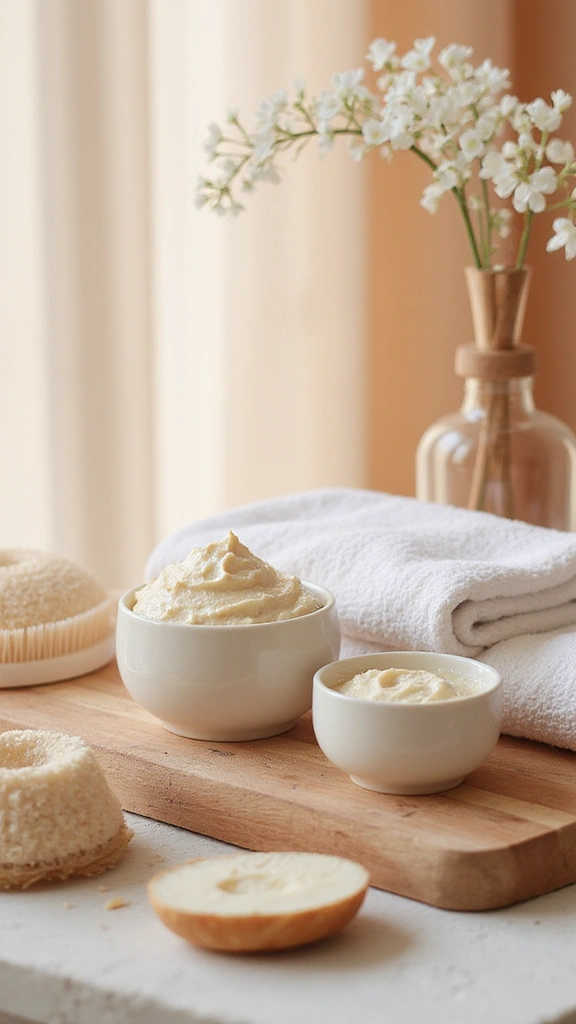
Dead skin cells pile up on your surface. They make your skin look dull and clogged. Exfoliation removes them. Your skin becomes brighter and smoother. Use chemical exfoliants like AHAs or BHAs. They’re gentler than physical scrubs. Exfoliate two to three times weekly. Don’t overdo it. The right amount reveals fresh, glowing skin underneath.
24. Cleanse Twice Daily

Cleansing removes dirt, oil, and makeup. Morning cleansing wakes up your skin. Evening cleansing removes the day’s buildup. Use a gentle cleanser. Avoid stripping formulas. Cleanse with lukewarm water, not hot. Hot water damages your skin barrier. Cleanse morning and night without fail. This foundation habit prevents most skin problems.
25. Stay Hydrated

Water is life. Your skin is 64 percent water. When you’re dehydrated, your skin suffers. It becomes dry, dull, and more prone to wrinkles. Drink at least eight glasses of water daily. More if you exercise or live in a dry climate. Hydration comes from inside and outside. Your skin plumps up. Fine lines soften. Your complexion glows.



Leave a Reply