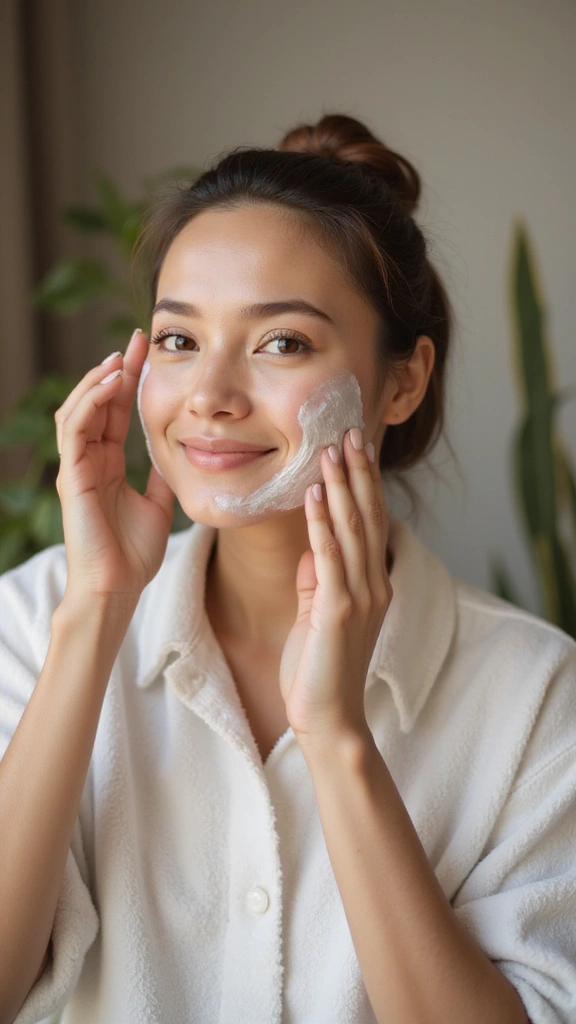
Your skin tells a story. Every blemish, dry patch, and dull spot reflects the choices you make each day. Most people think skincare is simple: cleanse, moisturize, repeat. But the truth is more complex. Small errors compound over time, turning a routine into sabotage.
This guide walks through the most common skincare errors. Each one has a fix. Some require product changes. Others need only a shift in habit or timing. You can start today. No expensive treatments required. Just honest adjustments based on what actually works.
1. Consistency in Your Routine
Consistency beats perfection. Your skin needs regular care to function well. Skipping days or switching routines randomly prevents adaptation and improvement.
Think of skincare like exercise. One workout doesn’t build muscle. One cleanse doesn’t clear congestion. Your skin cells turn over on a cycle. Products need time to work within that cycle. Most treatments require at least two to four weeks before you notice real change.
Commit to a routine for at least 30 days before judging results. Write it down. Set phone reminders. Make it automatic. Your skin will respond.
2. Scalp Health Matters

Your scalp is skin too. Many people treat it like an afterthought. But scalp health directly affects your face. Oil buildup, flakes, and irritation on the scalp can migrate downward, causing breakouts along the hairline and forehead.
A neglected scalp becomes oily or dry or both in different zones. This imbalance throws off your entire facial skin chemistry. Dandruff and scalp inflammation trigger systemic responses that show up as facial acne or sensitivity.
Start treating your scalp with the same care you give your face. Use a gentle scalp scrub once weekly. Choose a shampoo matched to your scalp type. Rinse thoroughly. If you have oily skin on your face, check your scalp care first.
3. Using the Right Application Tools

Your hands are not always the best tool for skincare. Fingers introduce bacteria and apply uneven pressure, leading to inconsistent product distribution.
Certain tools make a real difference. A soft facial brush helps cleanse without harsh scrubbing. A jade roller or gua sha stone aids lymphatic drainage and reduces puffiness. A silicone spatula ensures you use the right amount of product without waste.
Choose tools that match your skin type and concerns. Sensitive skin benefits from soft, gentle tools. Oily skin might need slightly firmer bristles for better cleansing. Invest in one or two quality tools and use them consistently. Clean them weekly to prevent bacterial buildup.
4. Body Skin Deserves Attention
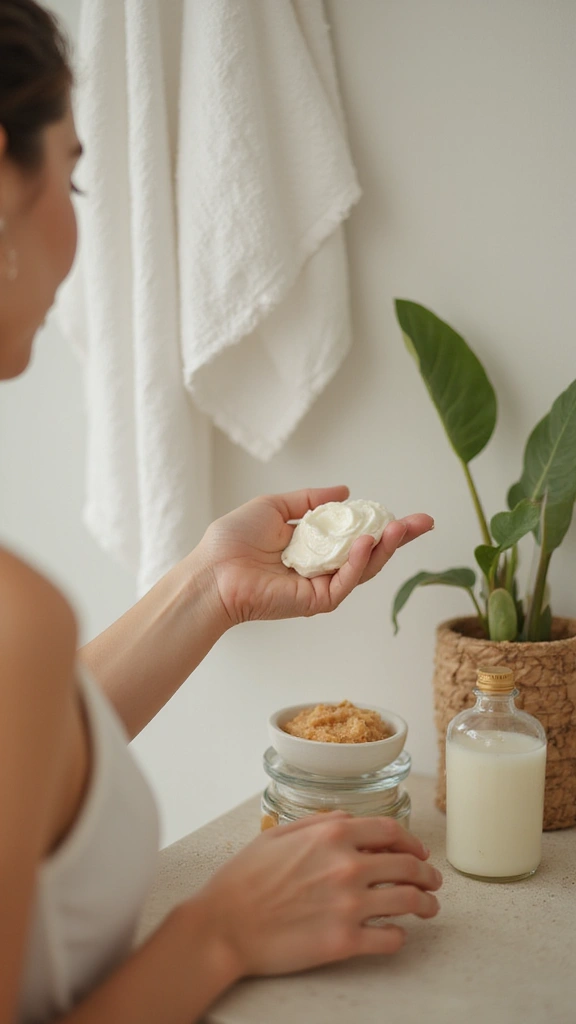
Face care gets all the attention. Body skin gets ignored. This creates a stark contrast. Your neck, chest, hands, and body age faster without proper care. These areas have thinner skin and fewer oil glands, making them more vulnerable to damage.
Sun exposure on the chest and hands shows age faster than anywhere else on the body. Neglecting these zones while protecting your face creates an obvious mismatch. Your hands especially reveal your true age because most people forget to moisturize and protect them.
Extend your skincare routine downward. Use sunscreen on your neck, chest, and hands daily. Moisturize your body after showering. Exfoliate rough patches on elbows and heels.
5. Makeup Cannot Replace Skincare
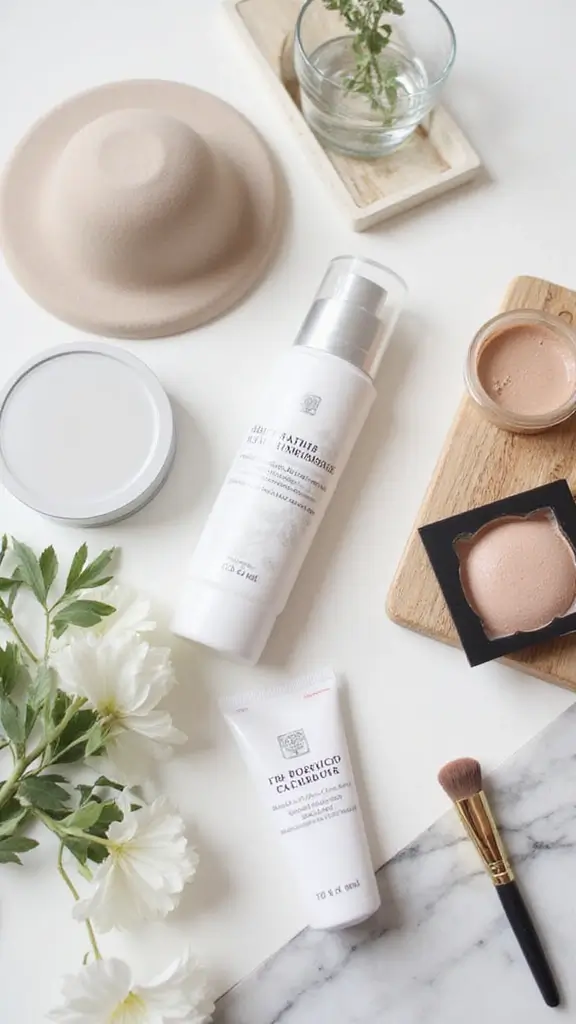
Makeup covers problems. It does not solve them. Relying solely on foundation, concealer, and powder to hide skin issues is like putting a bandage on an infection without treating it. The problem worsens underneath.
Heavy makeup application actually damages skin over time. It clogs pores, traps bacteria, and prevents your skin from breathing. The more you cover up, the more you need to cover up. It becomes a cycle that accelerates aging and breakouts.
Skincare is the foundation. Makeup is the finishing touch. Invest time in actual skin health first. Once your skin improves, you’ll need less makeup and feel more confident.
6. Acne Products Need Moderation
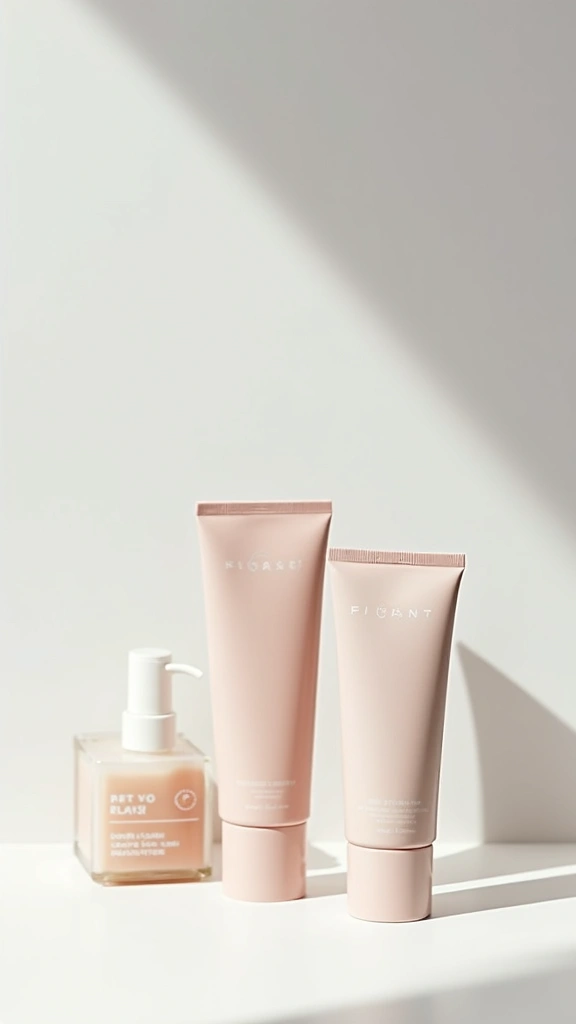
More acne product does not equal faster results. Overusing acne treatments like benzoyl peroxide, salicylic acid, or retinoids causes severe irritation, dryness, and sensitivity. Your skin barrier breaks down. Redness increases. Breakouts often worsen before improving.
Many people layer multiple acne products at once, thinking they’ll work faster. This is counterproductive. Acne treatments are potent. They need time to work safely. Combining too many actives overwhelms your skin.
Start with one acne product at low concentration. Use it three times weekly for two weeks. Gradually increase frequency as your skin adapts. If irritation occurs, reduce frequency or concentration.
7. Lip Exfoliation Gets Overlooked
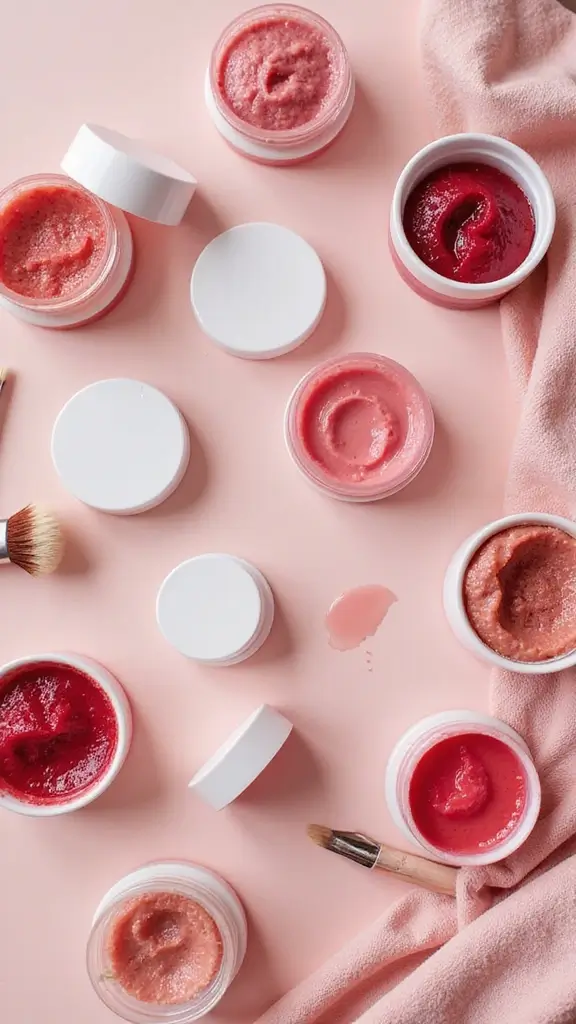
Lips are delicate. They have no oil glands and thin skin. Yet most people neglect them or treat them roughly. Dry, flaky lips result from dehydration and dead skin buildup. Lip balm alone won’t fix this.
Gentle exfoliation removes dead skin, allowing moisturizer to penetrate. Use a soft lip brush or damp washcloth. Gently rub in circular motions for 30 seconds. Follow immediately with a nourishing lip balm or oil. Do this two to three times weekly.
Avoid matte lipsticks if your lips are dry. Choose hydrating formulas. Drink more water. Exfoliate regularly. Your lips will become softer and smoother.
8. Ingredient Knowledge Prevents Damage
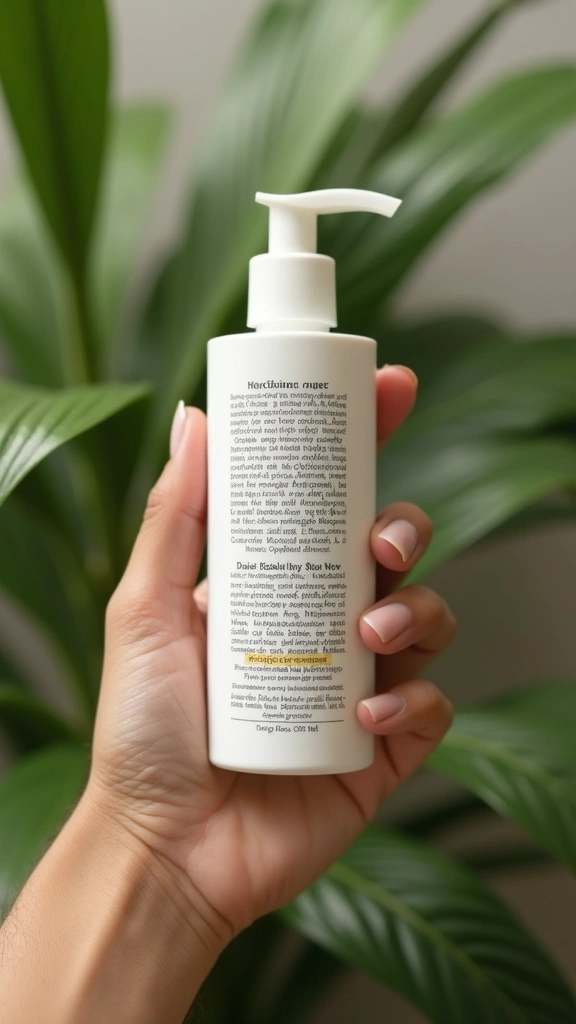
Most people buy products based on packaging or brand name. They never read the ingredient list. This is a costly mistake. Some ingredients trigger sensitivity. Others conflict with your skin type.
Reading labels takes two minutes but saves months of wasted money and skin problems. Look for ingredients that match your concerns. If you have oily skin, avoid heavy oils. If you have sensitive skin, avoid fragrance and essential oils. If you want anti-aging benefits, look for retinol, vitamin C, or peptides.
Check for ingredients you know irritate your skin. Keep a list. When shopping, scan the ingredient list first. This simple habit prevents bad purchases and reactions.
9. Product Overload Backfires
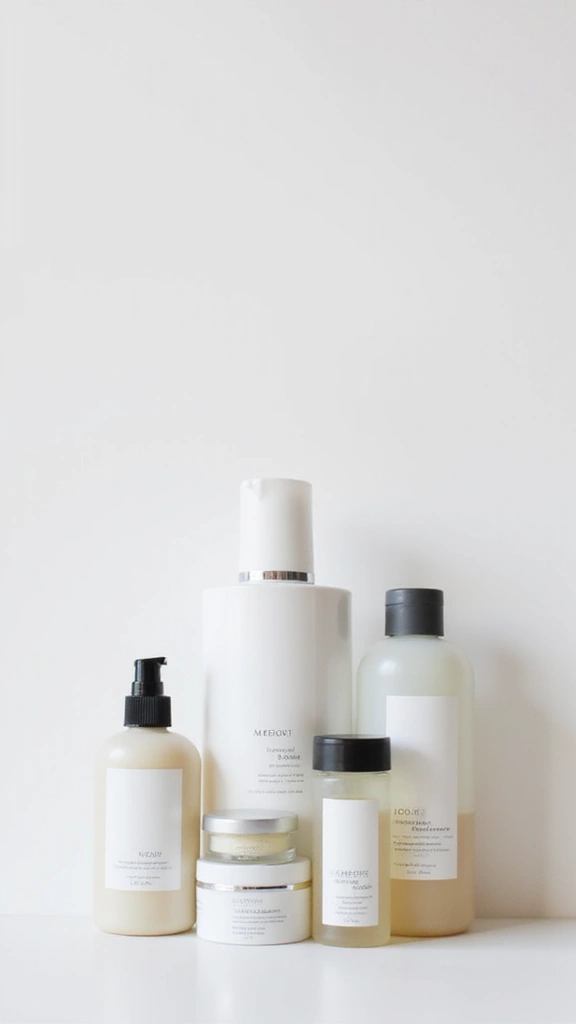
More products do not equal better skin. The opposite is true. Using too many products creates confusion. Your skin cannot process that many actives. Ingredients interact unpredictably. Results become impossible to track.
A solid routine needs only five to seven products: cleanser, toner or essence, treatment serum, moisturizer, sunscreen, and one or two targeted treatments. That’s enough. Adding more creates waste and risk.
Simplify your routine. Use each product for at least four weeks before adding another. This way, you know which product caused improvement or irritation. You’ll also save money. Quality over quantity always wins.
10. Seasonal Adjustments Are Essential

Your skin changes with the seasons. Winter brings dryness and sensitivity. Summer brings oil and sun damage. Spring and fall are transition periods. Using the same routine year round ignores these shifts.
In winter, switch to heavier moisturizers and skip strong actives. Your skin barrier is compromised by cold and heating systems. In summer, use lighter formulas and increase sun protection. Spring and fall are good times to introduce new treatments since your skin is more stable.
Pay attention to how your skin responds each season. Adjust products accordingly. This flexibility prevents seasonal breakouts, dryness, and sensitivity.
11. Pillowcase Hygiene Affects Skin

You spend eight hours with your face pressed against your pillowcase. That fabric collects oil, bacteria, dead skin cells, and product residue. Sleeping on a dirty pillowcase is like sleeping on a petri dish of acne bacteria.
Most people wash pillowcases weekly. This is not enough. Wash them two to three times weekly, or use a fresh pillowcase every night. This simple change reduces breakouts significantly, especially along the cheek and chin.
Choose pillowcases made from silk or satin if possible. These materials create less friction, reducing wrinkles and irritation. Whatever material you choose, keep it clean.
12. Hydration Starts from Within

Topical moisturizers help, but internal hydration is foundational. Dehydrated skin looks dull, feels tight, and ages faster. Many skin problems stem from insufficient water intake, not product deficiency.
Drink at least eight glasses of water daily. More if you exercise or live in a dry climate. Water plumps skin cells, improves circulation, and helps flush toxins. You’ll notice clearer, brighter skin within two weeks of consistent hydration.
Combine internal hydration with topical moisturizers for best results. Drink water throughout the day. Apply moisturizer to damp skin to lock in hydration.
13. Patch Testing Prevents Reactions

Introducing a new product without testing is risky. Even gentle products can trigger reactions in sensitive skin. Patch testing takes five minutes and prevents days of irritation.
Apply a small amount of the new product to your inner arm or behind your ear. Wait 24 hours. If no redness, itching, or burning occurs, it’s likely safe. Then apply a small amount to your face, away from sensitive areas. Use it for three days before full integration into your routine.
14. Expired Products Lose Efficacy
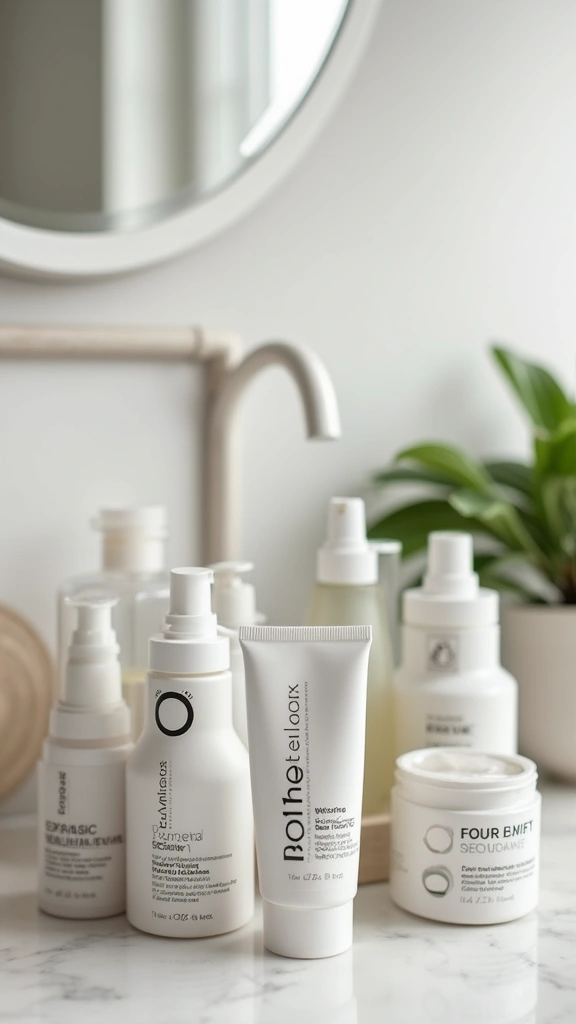
Skincare products have shelf lives. Expired products lose potency and can harbor bacteria. Using them wastes money and may irritate skin. Yet many people use products long past their expiration date.
Check the manufacturing date on every product. Most last six to twelve months after opening. Write the opening date on the bottle with a marker. Discard products that smell off or look separated.
15. Eye Cream Addresses Delicate Skin
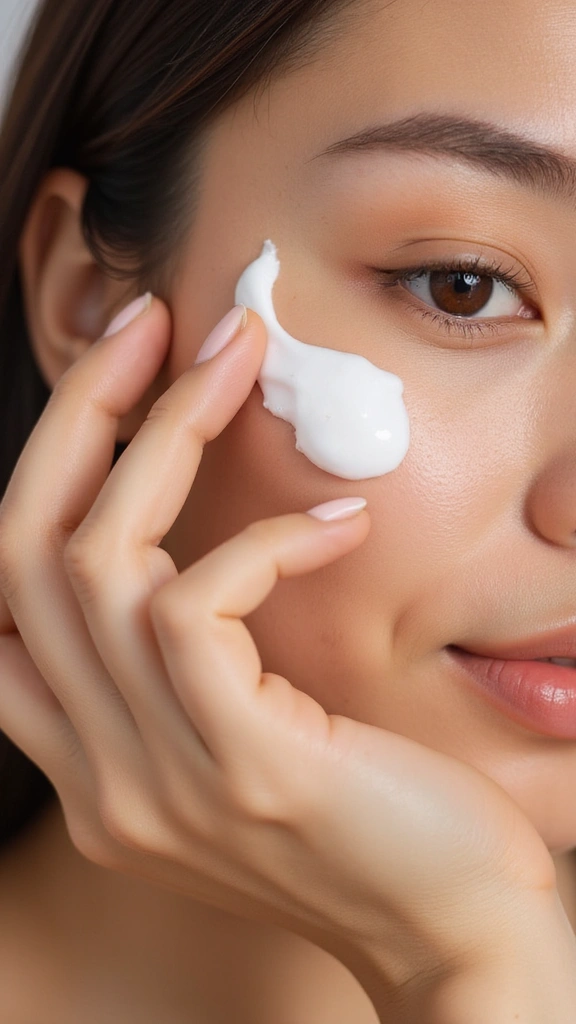
The skin around your eyes is the thinnest on your face. It shows age first. Yet many people skip eye cream, using regular moisturizer instead. This is a missed opportunity.
Eye cream is formulated specifically for this delicate area. It’s lighter than face moisturizer but more concentrated with active ingredients. It targets fine lines, dark circles, and puffiness. Regular moisturizer cannot do this effectively.
16. Moisturizer Is Non-Negotiable

Some people skip moisturizer, thinking it causes breakouts. This is a myth. Skipping moisturizer actually causes more breakouts. Dehydrated skin overproduces oil to compensate. This excess oil clogs pores.
Every skin type needs moisturizer. Oily skin needs a lightweight, oil-free formula. Dry skin needs a richer cream. Combination skin needs two different moisturizers for different zones. But everyone needs one.
17. Toners Serve a Purpose

Toners are often misunderstood. Old formulas were harsh and drying. Modern toners are hydrating and treatment focused. They prep skin for serums and moisturizers, improving absorption and efficacy.
Apply toner after cleansing and before serums. Use a cotton pad or your hands. Pat gently into skin. Toners remove residual impurities and balance pH. They also add hydration and can contain active ingredients like niacinamide or hyaluronic acid.
18. Skin Type Determines Everything

Using products for the wrong skin type is a common mistake. Oily skin needs different products than dry skin. Combination skin needs a hybrid approach. Sensitive skin needs gentle formulas. Acne prone skin needs targeted treatments.
Identify your true skin type first. Oily skin feels greasy, especially in the T zone. Dry skin feels tight and flaky. Combination skin is oily in some areas and dry in others. Sensitive skin reacts easily to products or environmental changes.
19. Over-Exfoliation Damages Skin
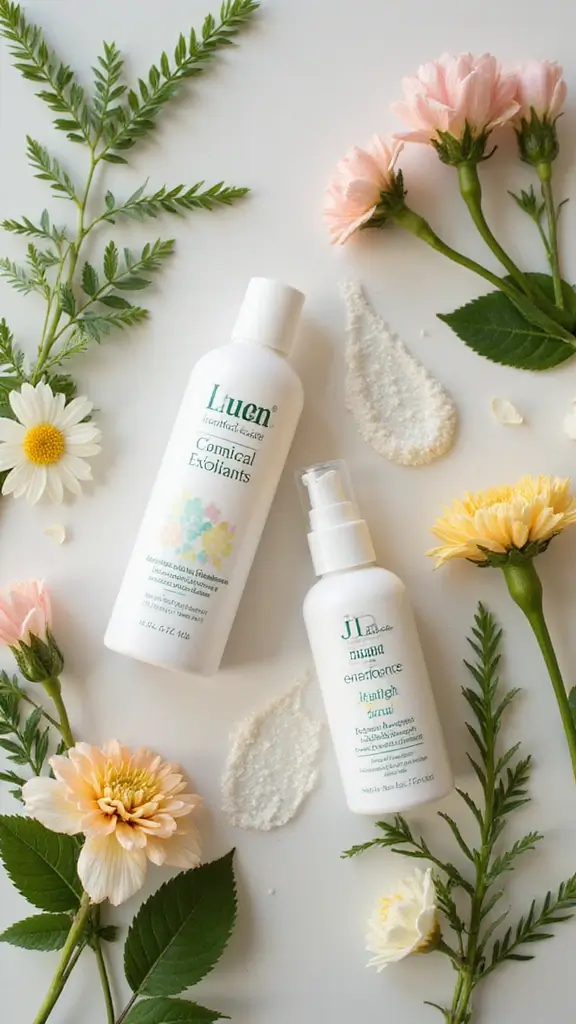
Exfoliation removes dead skin and brightens complexion. But too much exfoliation damages your skin barrier. Over-exfoliated skin becomes red, sensitive, and prone to breakouts. It ages faster.
Exfoliate no more than two to three times weekly. Use gentle physical exfoliants or chemical exfoliants, not both on the same day. If your skin feels raw or looks irritated, reduce frequency. Your skin barrier needs time to recover.
20. Proper Cleansing Is Foundational
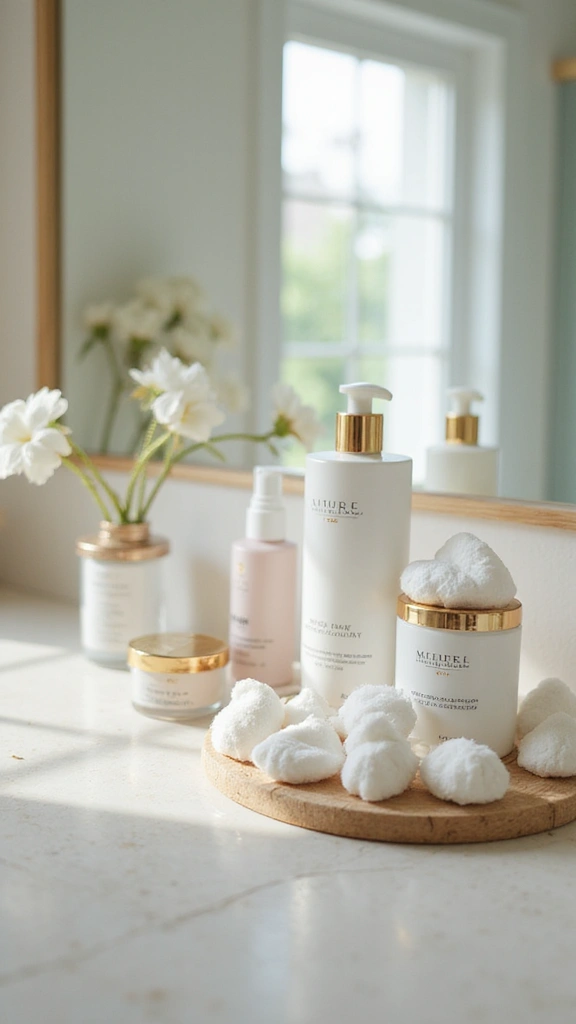
Cleansing is the most important step. Everything else depends on it. Yet many people rush through cleansing or use the wrong cleanser. This allows dirt, oil, and bacteria to remain on skin.
Spend at least 60 seconds cleansing. Use warm water, not hot. Hot water strips natural oils. Massage cleanser gently in circular motions. Pay attention to the T zone and jawline where oil accumulates. Rinse thoroughly.
21. Sunscreen Is Non-Negotiable

Sunscreen is the most important anti-aging product. UV damage causes wrinkles, age spots, and skin cancer. Yet many people skip sunscreen or use it inconsistently. This is the biggest skincare mistake.
Apply sunscreen every single day, even on cloudy days. UV rays penetrate clouds. Use SPF 30 minimum, SPF 50 for extended outdoor time. Apply generously. Most people use too little. You need about a quarter teaspoon for your face.



Leave a Reply