
The 1990s gave men some of the most memorable hairstyles in modern history. From tight cornrows to bold flat tops, the decade pushed boundaries and celebrated individuality. Black men in particular led the charge, bringing cultural pride and creativity to every barbershop visit. But the influence spread across all backgrounds. Guys everywhere were experimenting with fades, twists, undercuts, and even the occasional mullet. The looks were bold, the cuts were sharp, and the confidence was real.
This guide covers every major men’s hairstyle that defined the era. Each section focuses on one specific look, breaking down what made it stand out and why it still resonates. You will find classic cuts, culturally significant styles, and a few that might surprise you. Whether you are looking for inspiration or just want to revisit the decade, this overview covers it all. The 90s were a golden age for men’s hair, and these 22 styles prove exactly why.
1.High Top Fade
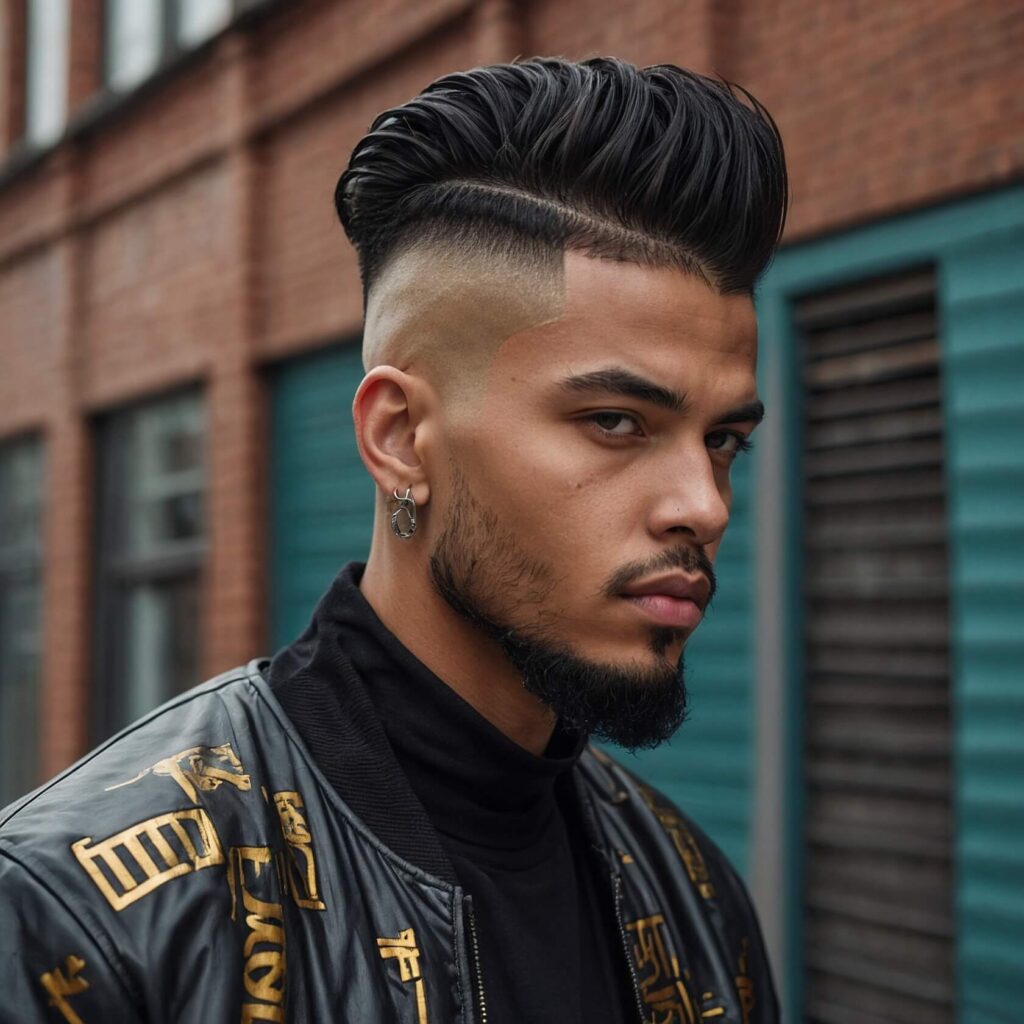
The high top fade is one of the most iconic hairstyles to come out of the 90s. The top is grown out tall and shaped into a flat, squared-off platform. The sides are faded close to the skin, creating a dramatic contrast between the height on top and the clean sides.
This style became a symbol of hip hop culture and Black pride during the decade. It required both a skilled barber and consistent upkeep to maintain the shape. The high top fade made a bold visual statement and communicated confidence. Its influence can still be seen in modern high fade styles today.
2.Flat Top Hairstyle
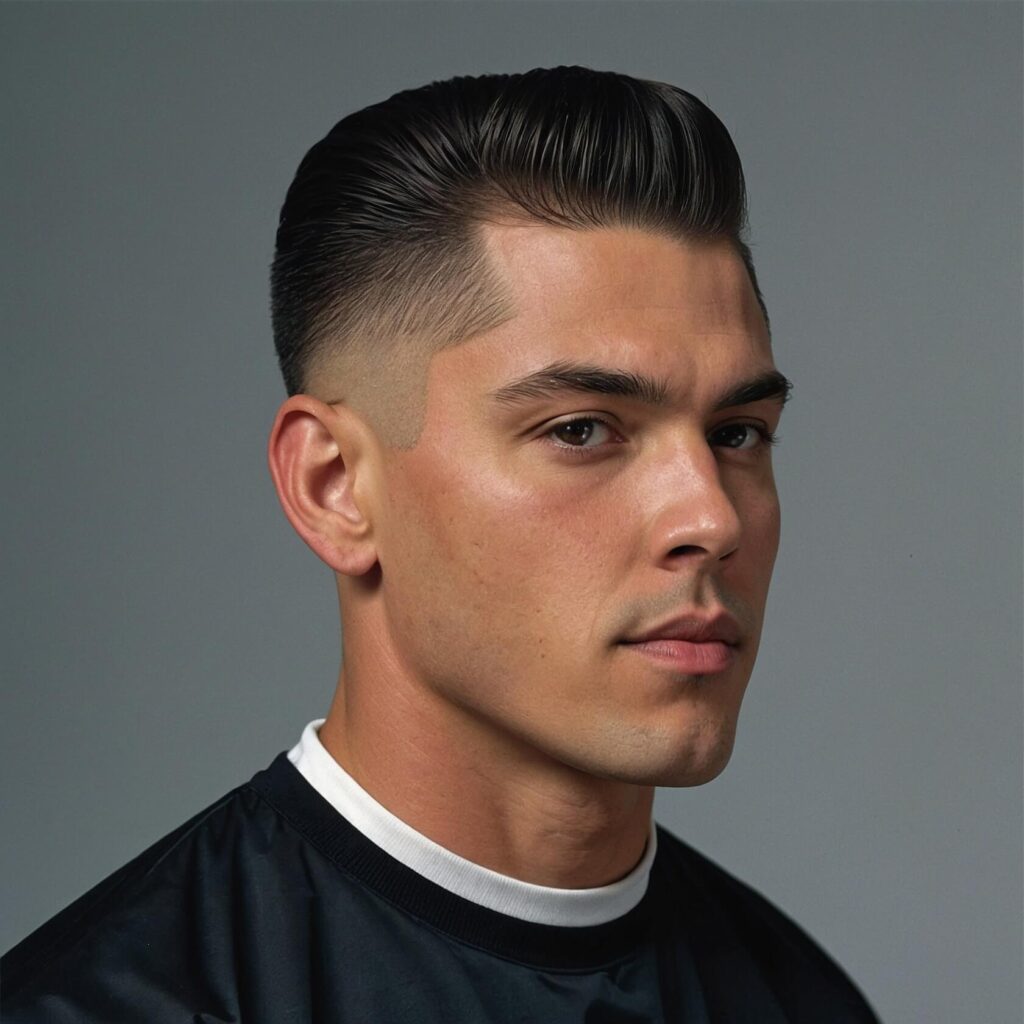
The flat top is a close relative of the high top fade but sits lower and wider. The top is cut perfectly level, creating a broad, flat surface. The sides are tapered or faded, and the overall shape is geometric and precise.
This cut was popular across multiple communities in the 90s. It required a skilled barber to keep the top truly flat and even. Even a slight unevenness would be visible. The flat top communicated discipline and attention to detail. It was a style that demanded respect and delivered it.
3.Cornrows
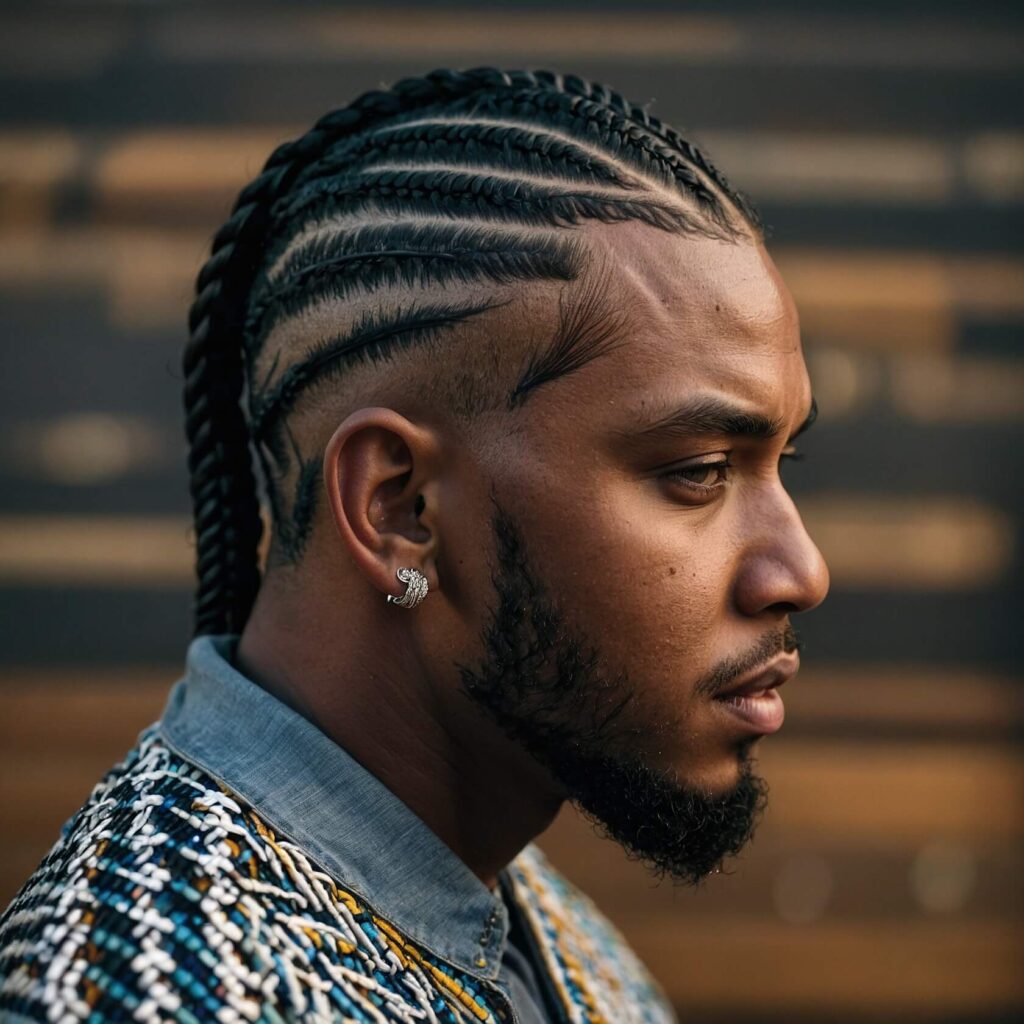
Cornrows are one of the oldest and most culturally significant hairstyles in Black hair history. In the 90s, they experienced a major resurgence in popularity. The style involves braiding the hair tightly to the scalp in straight rows, creating a clean and structured look.
Men wore cornrows in a variety of patterns, from simple straight-back rows to more complex geometric designs. The style was low maintenance once done and could last for weeks with proper care. Cornrows became a strong cultural symbol during the 90s, worn by athletes, musicians, and everyday men who wanted to connect with their heritage.
4.Box Braids
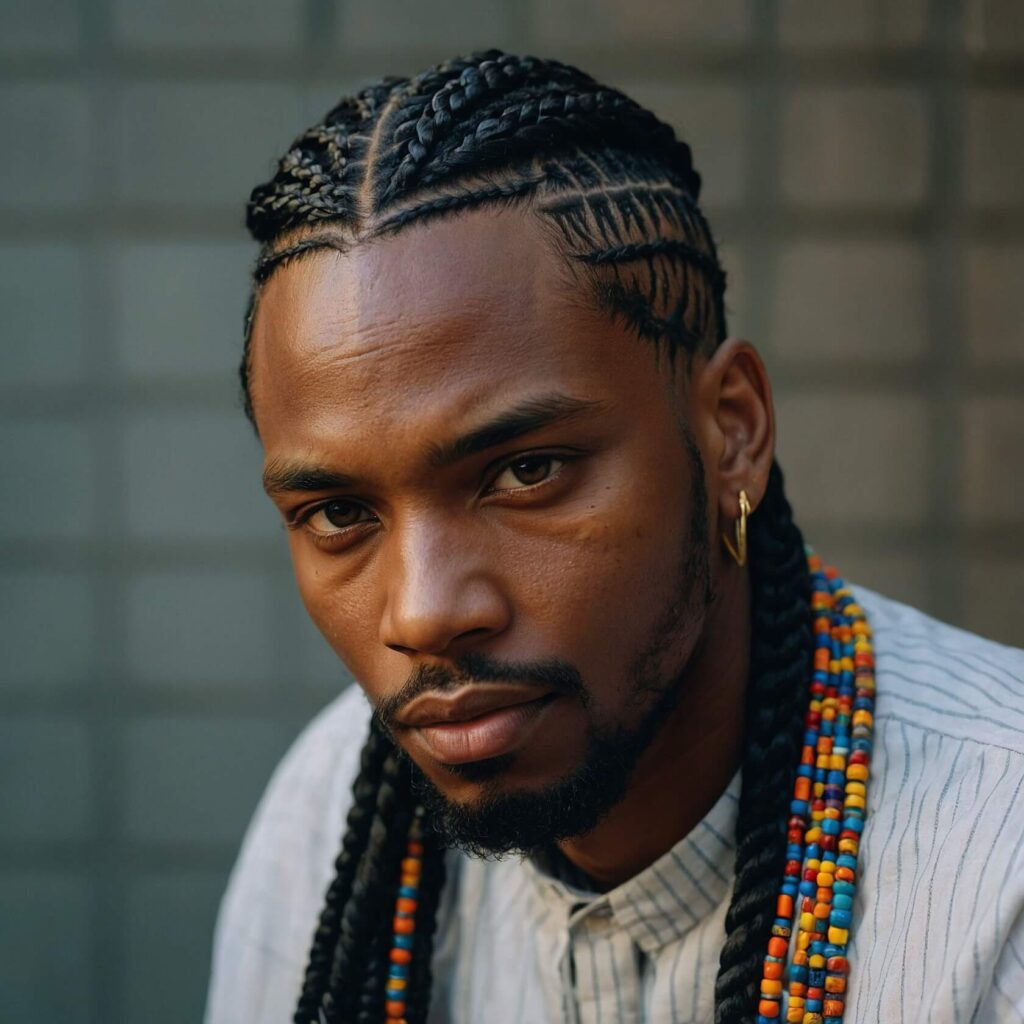
Box braids became one of the most recognizable men’s hairstyles of the 90s. The hair is divided into square sections and braided from the root all the way to the tip. The result is a series of thick, uniform braids that hang freely.
This style offered both a strong visual presence and practical benefits. Box braids protect natural hair and reduce daily manipulation. Men could wear them loose, pulled back, or tied up. The style crossed cultural lines and became widely adopted. It remains one of the most requested protective styles in barbershops and salons today.
5. Iconic 90s Black Hairstyles Showcase
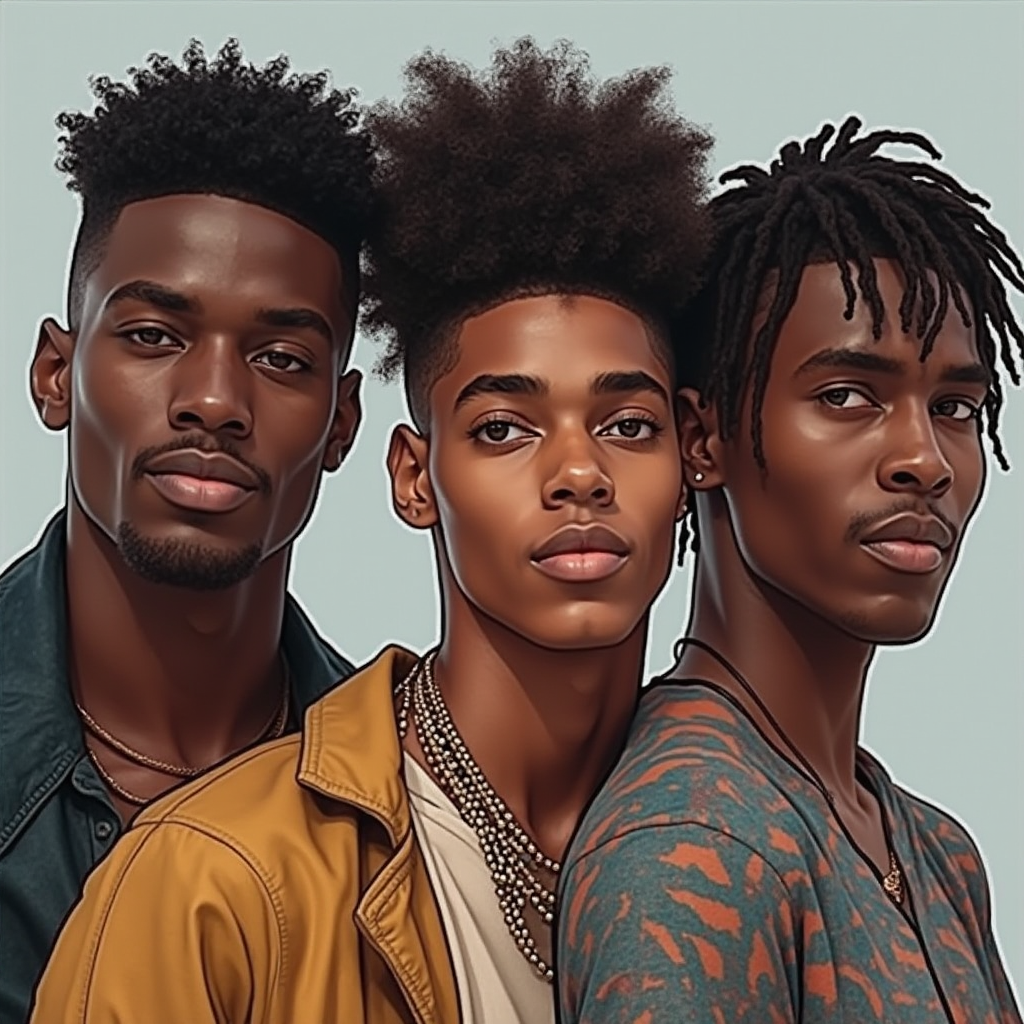
Black men’s hairstyles in the 90s were some of the most creative and culturally significant looks of the decade. This image highlights several of them together, including the high square flat top fade and the glossy Jheri curl. Each style carried its own identity and cultural weight.
These looks were not just fashion choices. They were statements. The flat top communicated pride and precision. The Jheri curl, though it peaked in the 80s, carried into the early 90s with its signature shine and bounce. Together, these styles represent a rich tradition of Black grooming culture that shaped mainstream trends for years.
6. More Iconic 90s Black Hairstyles
This image continues the showcase of standout Black men’s hairstyles from the 90s. The variety on display reflects how much creativity existed within the community during this era. Bold shapes, defined textures, and sharp fades were all part of the visual language.
Each style shown required skill to execute and commitment to maintain. These were not casual looks. They demanded regular barbershop visits and proper care at home. The result was a level of grooming excellence that set a high standard and influenced how men across all backgrounds thought about their hair.
7.
Maintaining a Sharp Style at the Barbershop
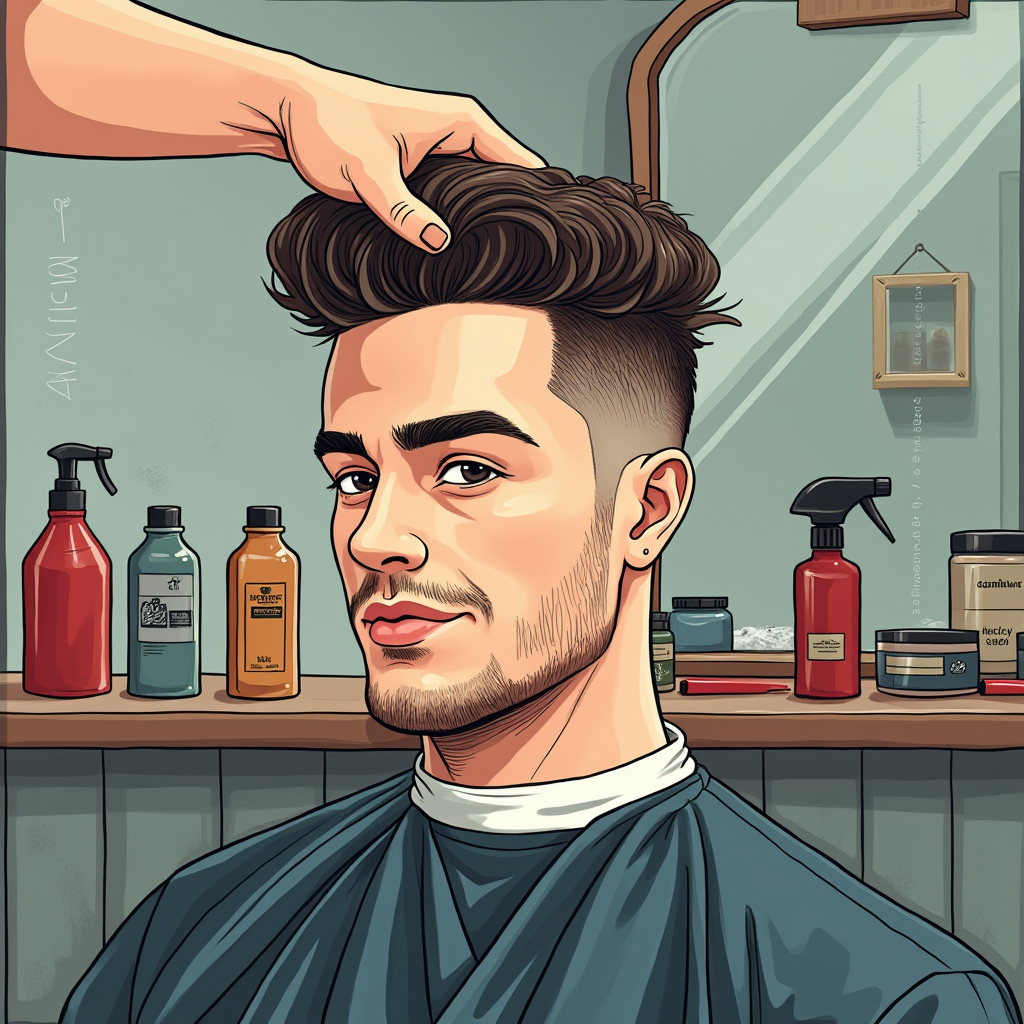
Keeping a sharp style in the 90s meant regular barbershop visits. This image shows the care and precision that went into maintaining a clean look. The barber works with focus, trimming edges and refining the shape to keep everything tight and intentional.
For many men, the barbershop was also a social space. It was where conversations happened, where community gathered, and where style was discussed and refined. The relationship between a man and his barber was built on trust. A good barber knew exactly what his client needed before a word was spoken.
8. 90s Hairstyles for Guys: Multiple Styles
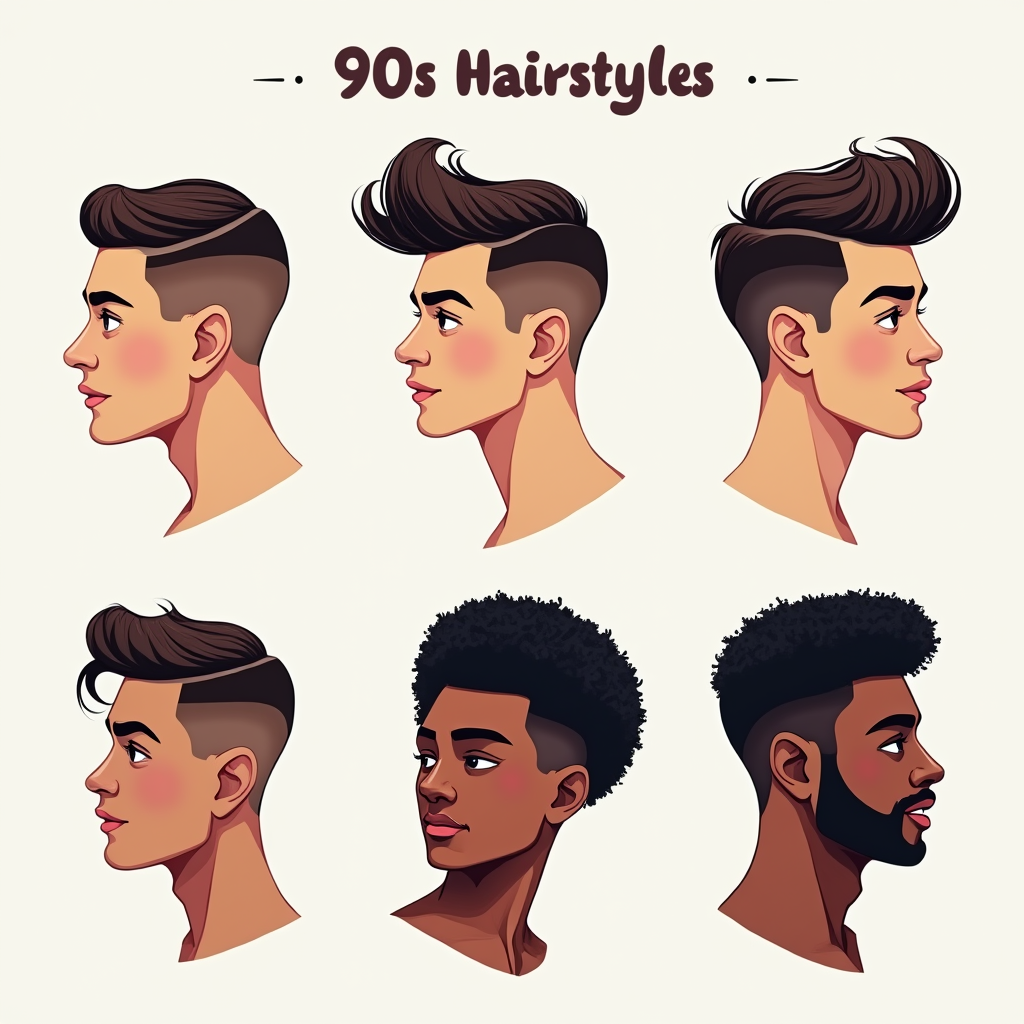
This image brings together several popular 90s hairstyles for men in one frame. The buzz cut stands out for its simplicity: short, even hair all around with no fuss. The pompadour variation shown here adds volume at the front and a swept-back shape that nods to earlier decades while staying current.
Seeing multiple styles together highlights how different the options were. Some men wanted low maintenance. Others wanted a statement. The 90s had room for both. This range is part of what made the decade such a rich time for men’s grooming and personal expression.
9.Pompadour
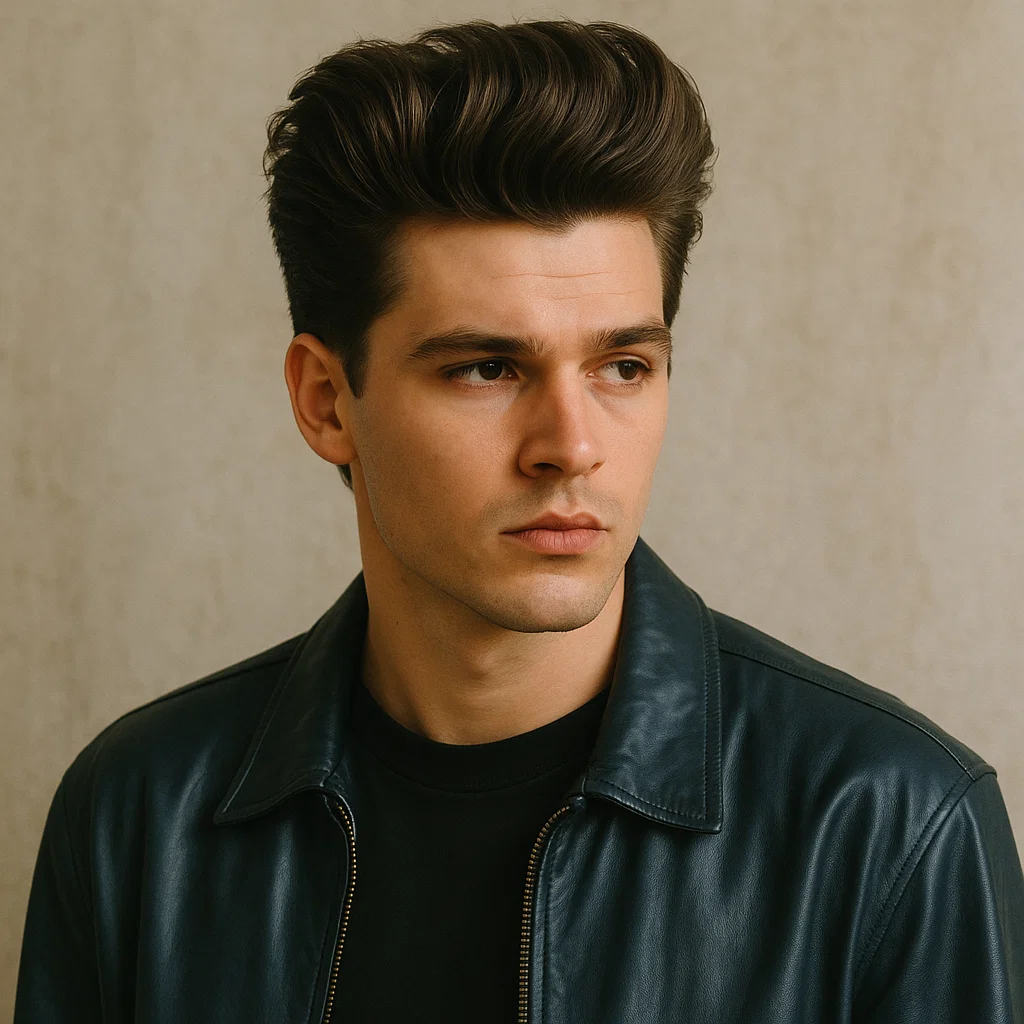
The pompadour brought a retro energy into 90s men’s grooming. The style features hair swept upward and back from the forehead, creating volume and height at the front. The sides are kept shorter, either tapered or faded, to keep the focus on the top.
In the 90s, the pompadour was often updated with modern fades and product choices. It appealed to men who wanted a classic look with a contemporary edge. Rockabilly culture, alternative music scenes, and even mainstream pop all contributed to keeping the pompadour relevant throughout the decade.
10.Caesar Cut and Fade Combinations
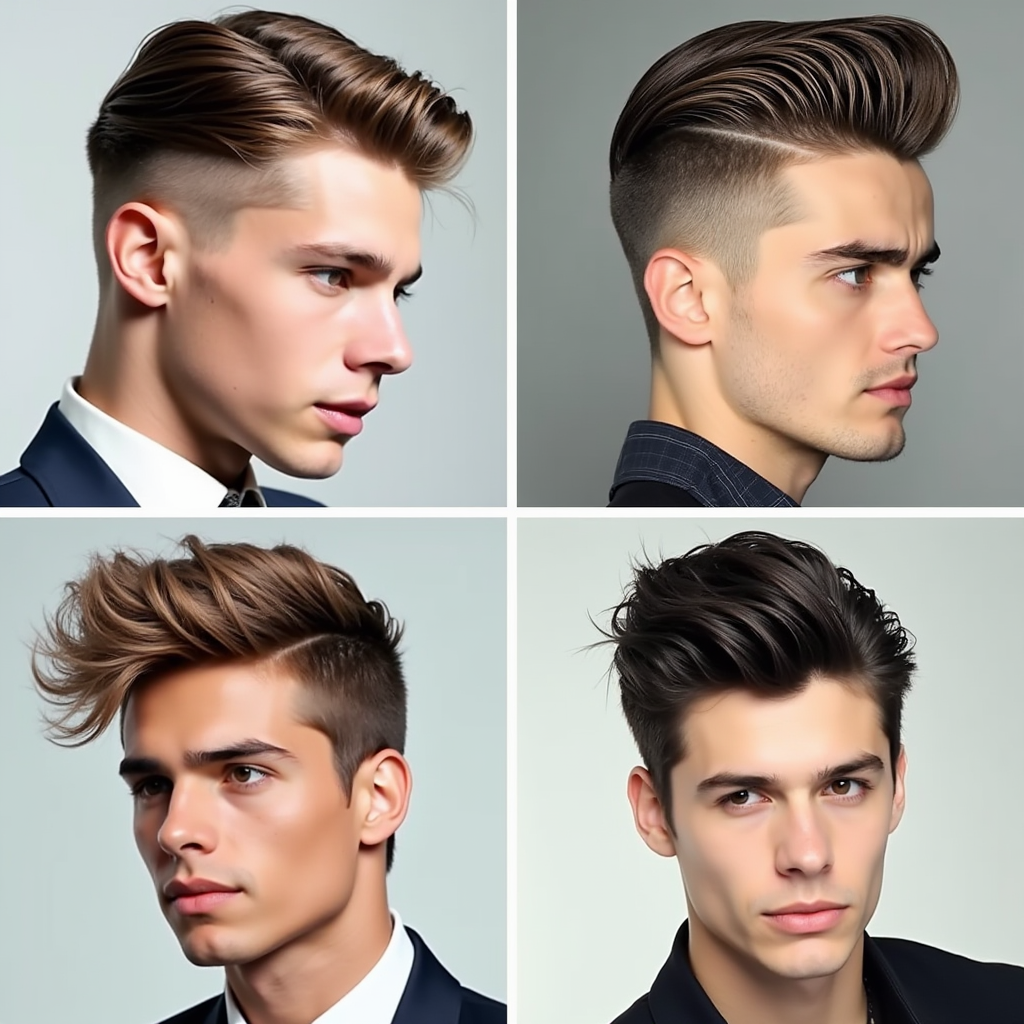
The Caesar cut paired with a fade became one of the most requested combinations at barbershops in the 90s. The short, flat top layers of the Caesar sit cleanly above a tight fade on the sides, creating a strong contrast that looks sharp from every angle.
This combination worked across hair types and face shapes. It was clean enough for professional settings but carried enough edge for casual wear. Many celebrities and athletes wore this look, which helped push it into mainstream popularity. It remains one of the most requested cuts at barbershops today.
11.The Mullet
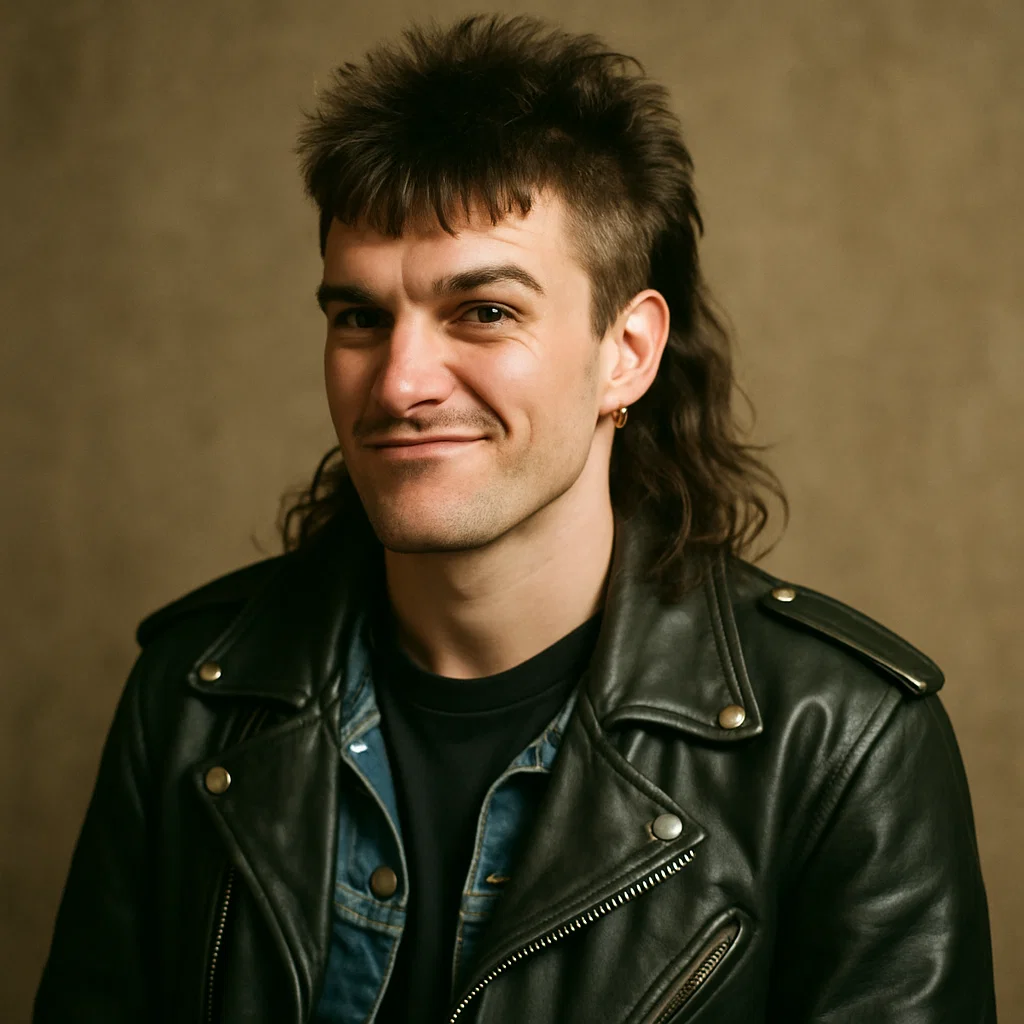
The mullet is perhaps the most talked-about hairstyle of the late 80s and early 90s. Short on the top and sides, long in the back. The contrast was intentional and unmistakable. It was a style that divided opinion but never failed to get attention.
In the 90s, the mullet began to fade from mainstream fashion but held on in certain communities and regions. It became associated with rock music, rural culture, and a specific kind of laid-back attitude. Today the mullet is back in a modern form, worn with irony or genuine enthusiasm by a new generation of men.
12.The Caesar Cut
The Caesar cut is one of the most recognizable men’s hairstyles from the 90s. It features short, horizontally cut fringe across the forehead and an even length across the top. The sides are typically faded or tapered close to the skin. This cut gained massive popularity through television and film during the decade.
It works well on most hair types and requires minimal styling. A light brush or low-hold product keeps the top neat. The clean lines and low maintenance made it a go-to for men who wanted a sharp look without spending much time in front of the mirror.
13.The Bowl Cut
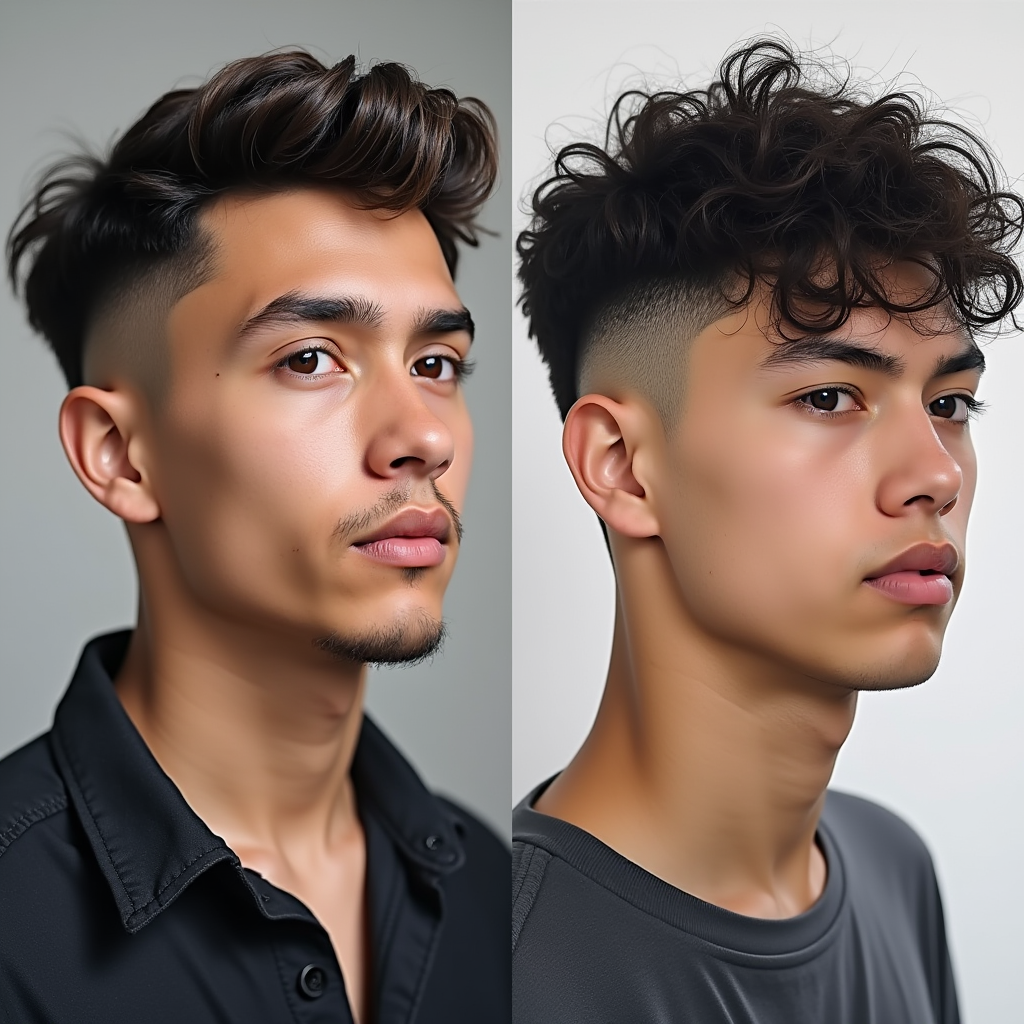
The bowl cut was everywhere in the early to mid 90s. The shape is exactly what the name suggests: hair cut in a round, even line around the head, as if a bowl were placed on top. Volume is kept low, and the sides are cut short or tapered underneath the line.
This style was popular among younger men and teenagers. It had a casual, effortless look that fit the grunge and alternative culture of the time. Some versions included a slight undercut beneath the bowl line, giving it a sharper contrast between the top and sides.
14.Undercut
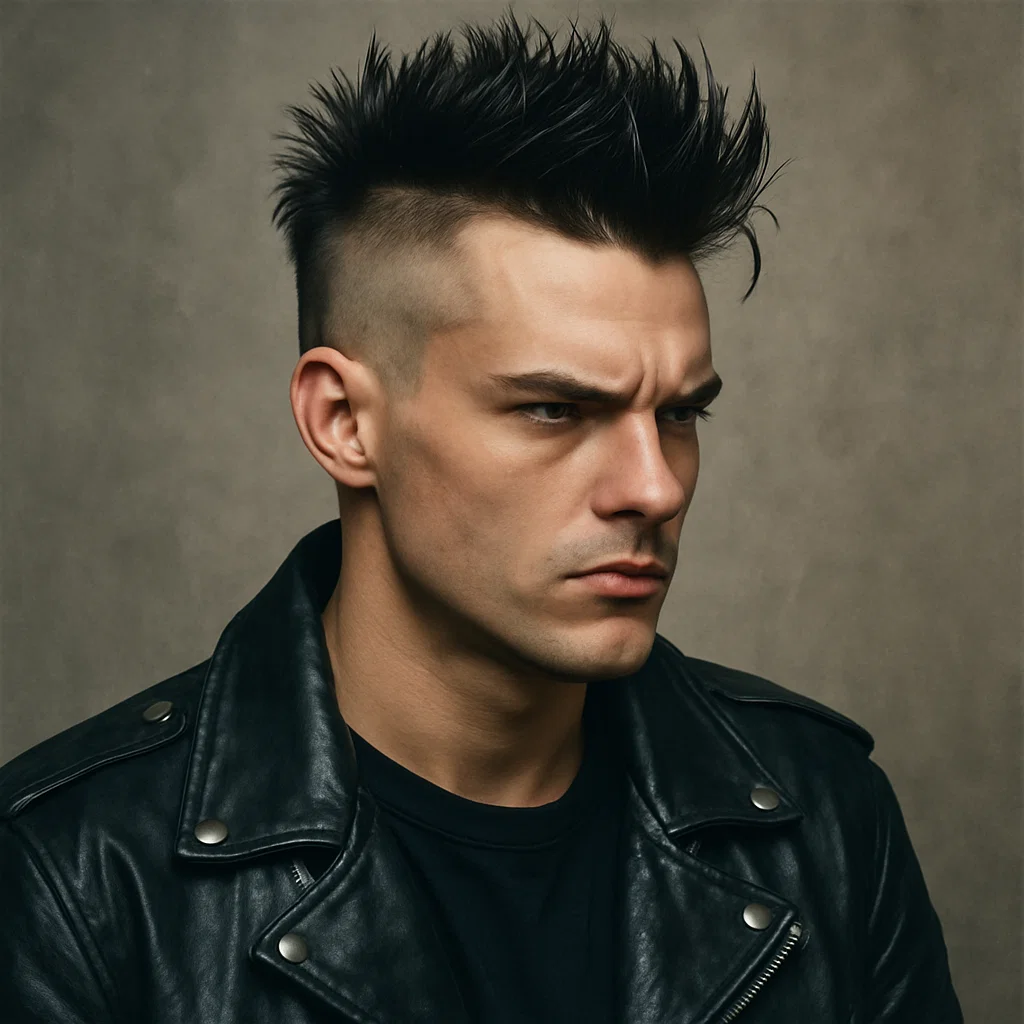
The undercut became a defining look for men in the alternative and rock scenes of the 90s. The sides and back are shaved or cut very short, while the top is left long. The contrast between the two lengths creates a dramatic and edgy silhouette.
Men styled the long top in various ways: slicked back, parted to the side, or left to fall naturally. The undercut was versatile and worked across different subcultures. It carried an air of rebellion while still being clean enough for everyday wear. The style has seen multiple revivals since the 90s and remains a popular request today.
15.Crew Cut
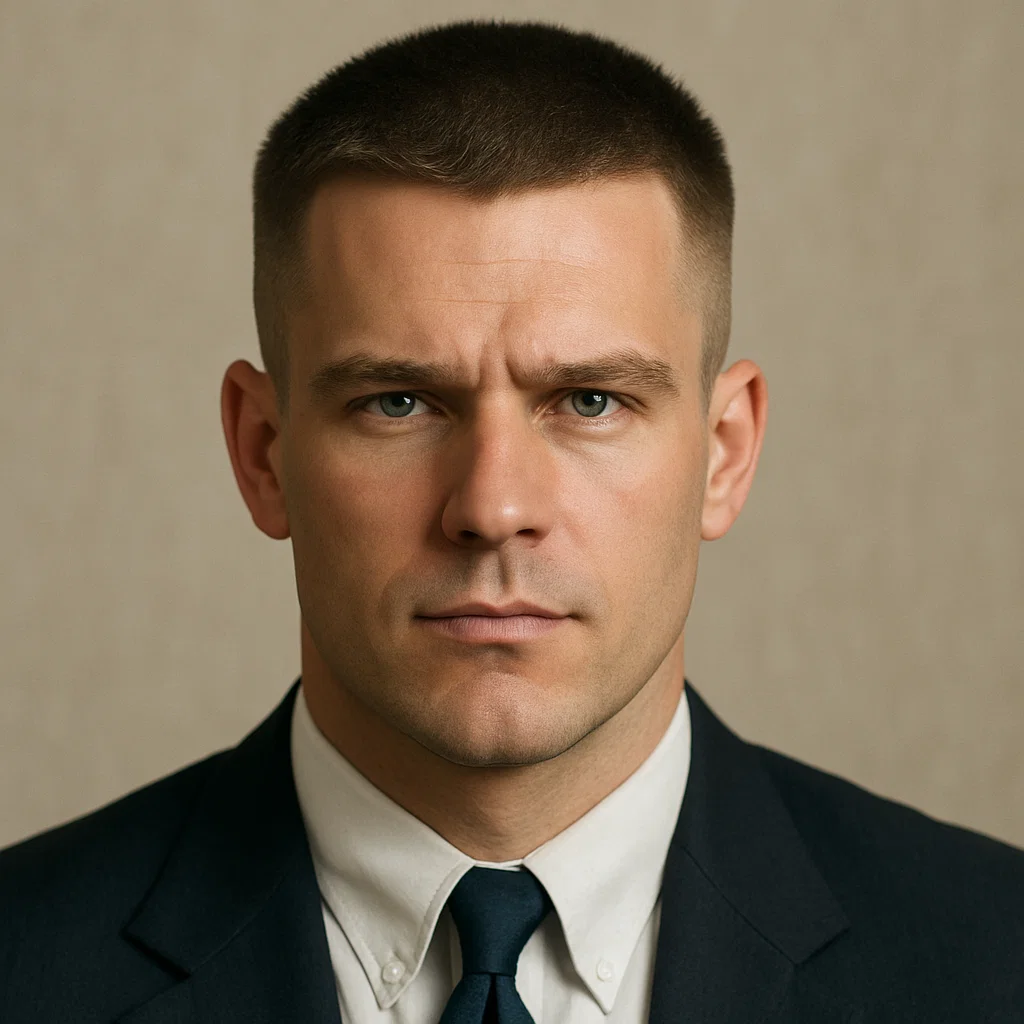
The crew cut is one of the most straightforward and enduring men’s hairstyles. In the 90s, it was a staple for men who wanted a clean, low-maintenance look. The sides are tapered short, and the top is left slightly longer, creating a simple and neat shape.
The crew cut worked in almost every setting, from the office to the gym. It required little styling and looked sharp with minimal effort. Many men in the 90s chose the crew cut as their everyday style, returning to the barbershop every few weeks to keep it tight and fresh.
16. Twists
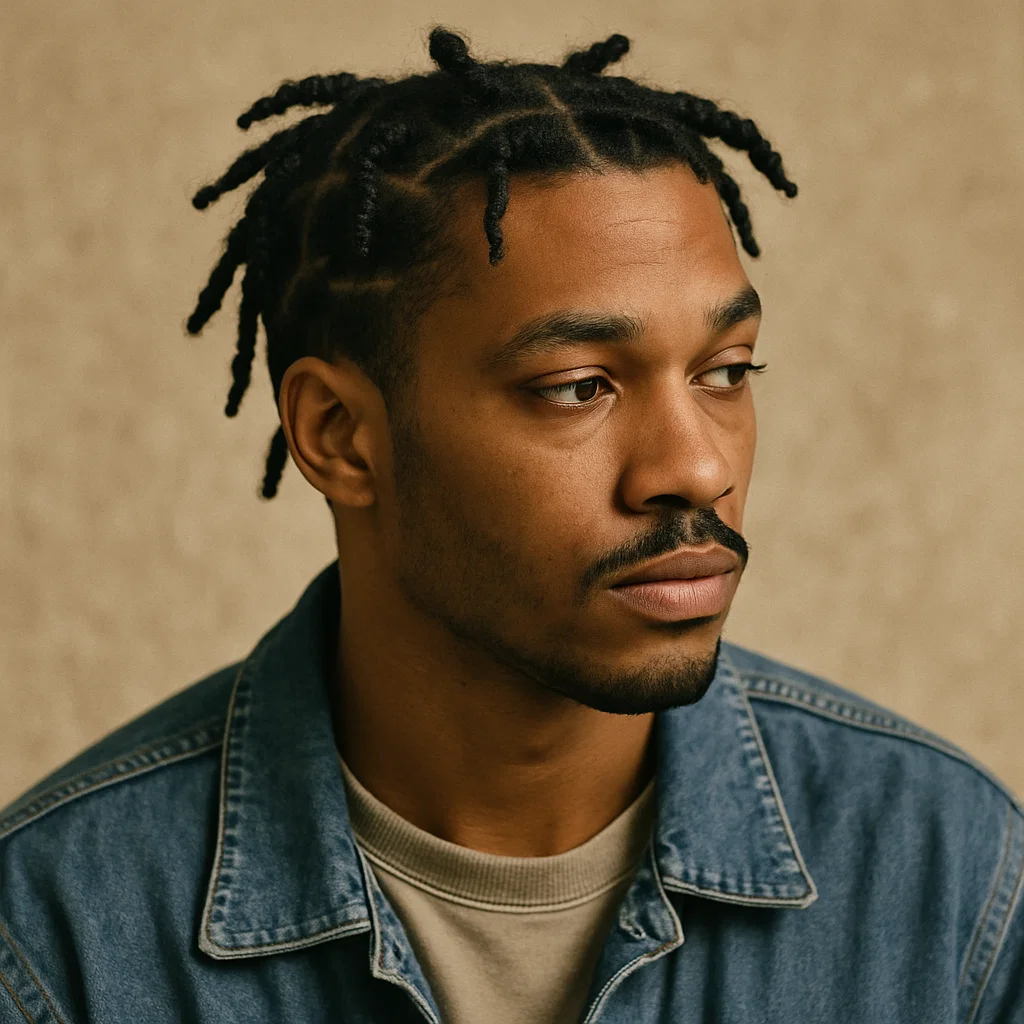
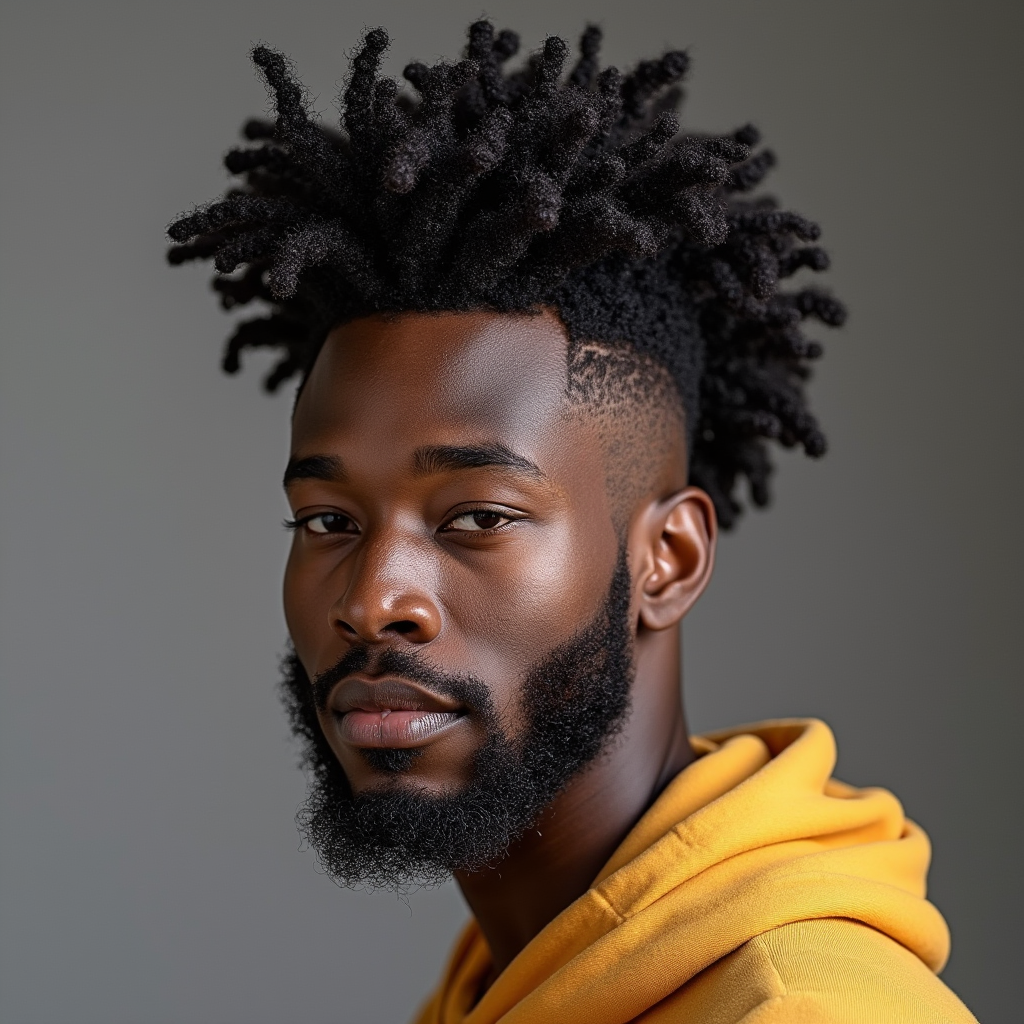
Twists were a popular natural hair style for Black men in the 90s. The technique involves taking sections of hair and twisting them tightly from the scalp downward. The result is a defined, textured look that showcases natural curl patterns.
Unlike braids, twists do not require weaving strands together. They are quicker to install and easier to take out. Men wore twists at various lengths, from short and tight to longer and more relaxed. The style celebrated natural texture and became a key part of the natural hair movement that gained momentum throughout the decade.
17. Clean Shaved Head
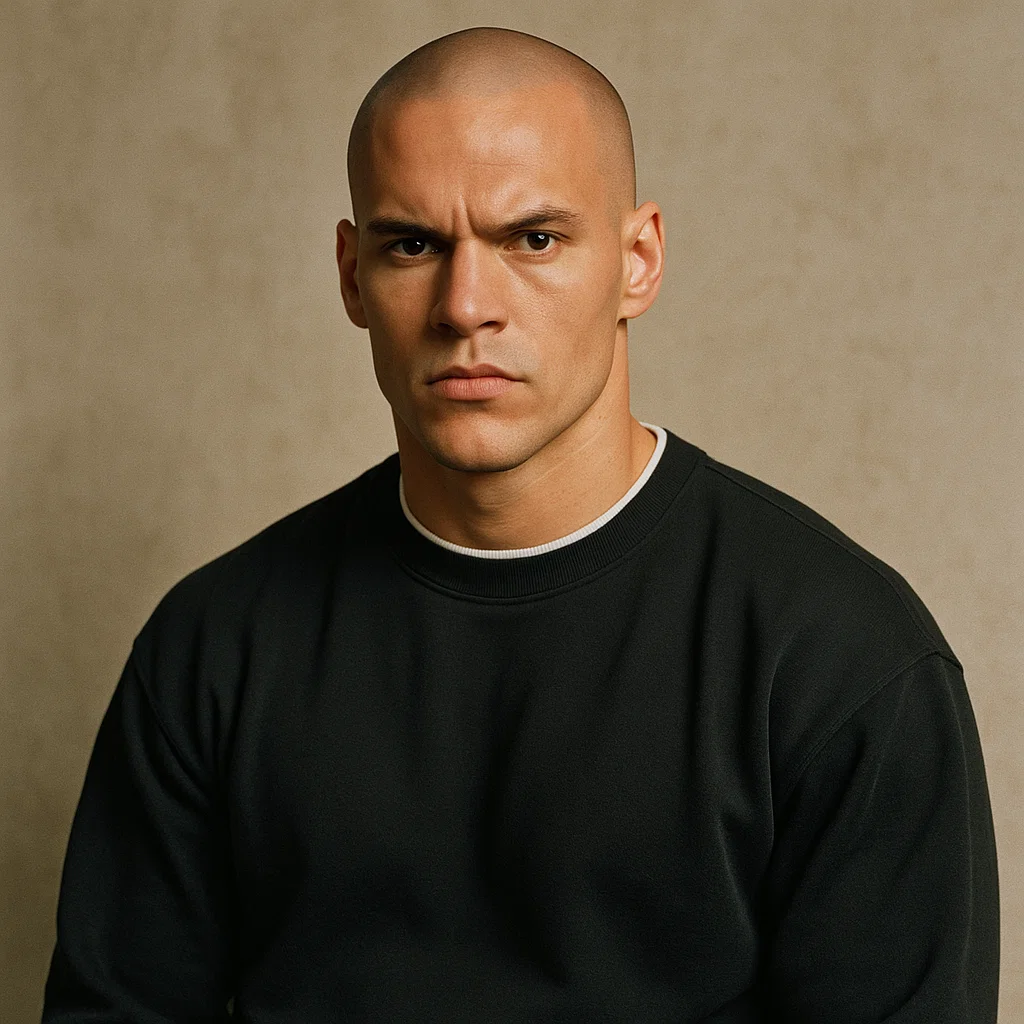
The clean shaved head became a bold and widely adopted look in the 90s. Men who embraced this style made a clear statement: confidence needs no hair. The look was popularized by athletes, actors, and musicians who wore it with authority.
Maintaining a shaved head requires regular upkeep to keep the scalp smooth and free of stubble. Many men paired the shaved head with a well-groomed beard or sharp facial hair to add definition. The look is timeless and continues to be one of the most chosen styles for men who want a clean, no-fuss appearance.
18. Pompadour
The pompadour brought a retro energy into 90s men’s grooming. The style features hair swept upward and back from the forehead, creating volume and height at the front. The sides are kept shorter, either tapered or faded, to keep the focus on the top.
In the 90s, the pompadour was often updated with modern fades and product choices. It appealed to men who wanted a classic look with a contemporary edge. Rockabilly culture, alternative music scenes, and even mainstream pop all contributed to keeping the pompadour relevant throughout the decade.


Leave a Reply